Travel tips
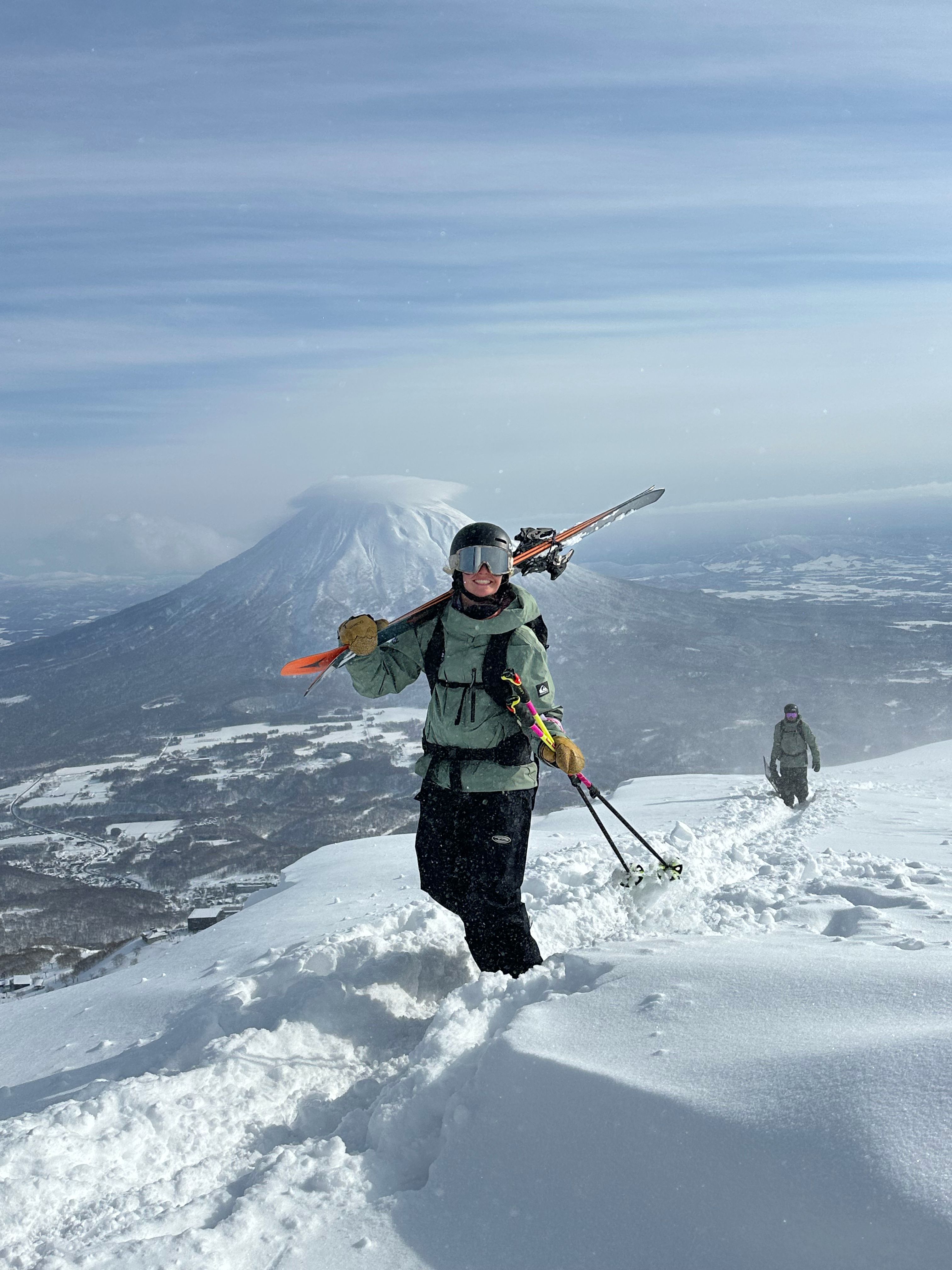
You’ve just finished an incredible powder day in Niseko or Hakuba, your legs are burning, and your ski instructor has somehow made parallel turns or tree runs finally “click.” The question pops up as you say goodbye: Should I tip them?
Tipping in Japan has always been a bit of a cultural puzzle, and ski resorts are no exception. Let’s clear up the confusion so you can finish your lesson with confidence and gratitude.
Traditionally, Japan is not a tipping culture. Excellent service is seen as the standard, not an add-on, and tipping in restaurants or taxis can even feel awkward or be politely refused. The idea is simple: great service is part of the experience, and staff shouldn’t need extra reward to deliver it.
But ski resorts in Japan, especially international destinations like Niseko United or Hakuba Valley, have developed their own culture. With instructors arriving from around the world — Australia, Europe, North America, South America — tipping has become much more common and accepted.
Here’s the simple answer: Tipping is not mandatory in Japan, but it is always appreciated at international ski schools.
Most instructors working in Hokkaido or Nagano are seasonal staff who come for the snow, the adventure, and the lifestyle. Wages are fair but not extravagant, and tips can make a real difference.
A thoughtful tip shows that you valued their effort — whether it was finding untouched powder stashes, keeping your kids safe and happy, or helping you finally conquer a red run with confidence.
The key difference is context. At a restaurant in Japan, tipping remains unusual, and many staff would be embarrassed if you tried to leave extra money. Service charges are already built into the bill, and pride in hospitality — called omotenashi — means servers give their best without expecting anything more.
On the slopes, though, the culture is more international. Ski instructors work directly with guests for hours or even days at a time. The bond that forms — especially when you or your children make visible progress — naturally lends itself to a more personal thank-you. That’s why tips, while not required, have become a normal part of showing appreciation in Japan ski resort scene.
Not every ski day calls for a tip, but here are a few situations where it’s particularly appreciated:
Your child had an amazing week with the same instructor and can’t stop talking about them.
In these cases, tipping becomes less about obligation and more about genuine gratitude.
If tipping feels uncomfortable or you don’t have cash handy, there are other thoughtful ways to show appreciation:
In Japan, tipping is never required — whether you’re in a restaurant, a taxi, or a ski school. But in international ski resorts, where instructors come from all over the world, it has become both accepted and appreciated.
Think of tipping not as a cultural duty, but as a personal choice. If your instructor made your holiday safer, more enjoyable, or simply unforgettable, a small gesture of thanks — whether in cash, words, or a thoughtful gift — will always be received warmly.