Travel tips
Not sure how to describe your ski or snowboard level? Learn the simple way to assess your ability, stay safe, and progress confidently on the mountain.
The ski shop employee asks, “What’s your level?” and suddenly you freeze. Are you a beginner? Intermediate? Somewhere in between? We’ve all been there. Whether you’re booking lessons, renting gear, or deciding which run to try next, being able to describe your skill level clearly makes a huge difference.
Honest self-assessment doesn’t just help instructors match you with the right group. It keeps you safe and speeds up your progress. This guide will walk you through skiing and snowboarding ability levels in plain language so you’ll know exactly where you stand—and where you’re headed next.
 © Alice Vigneron
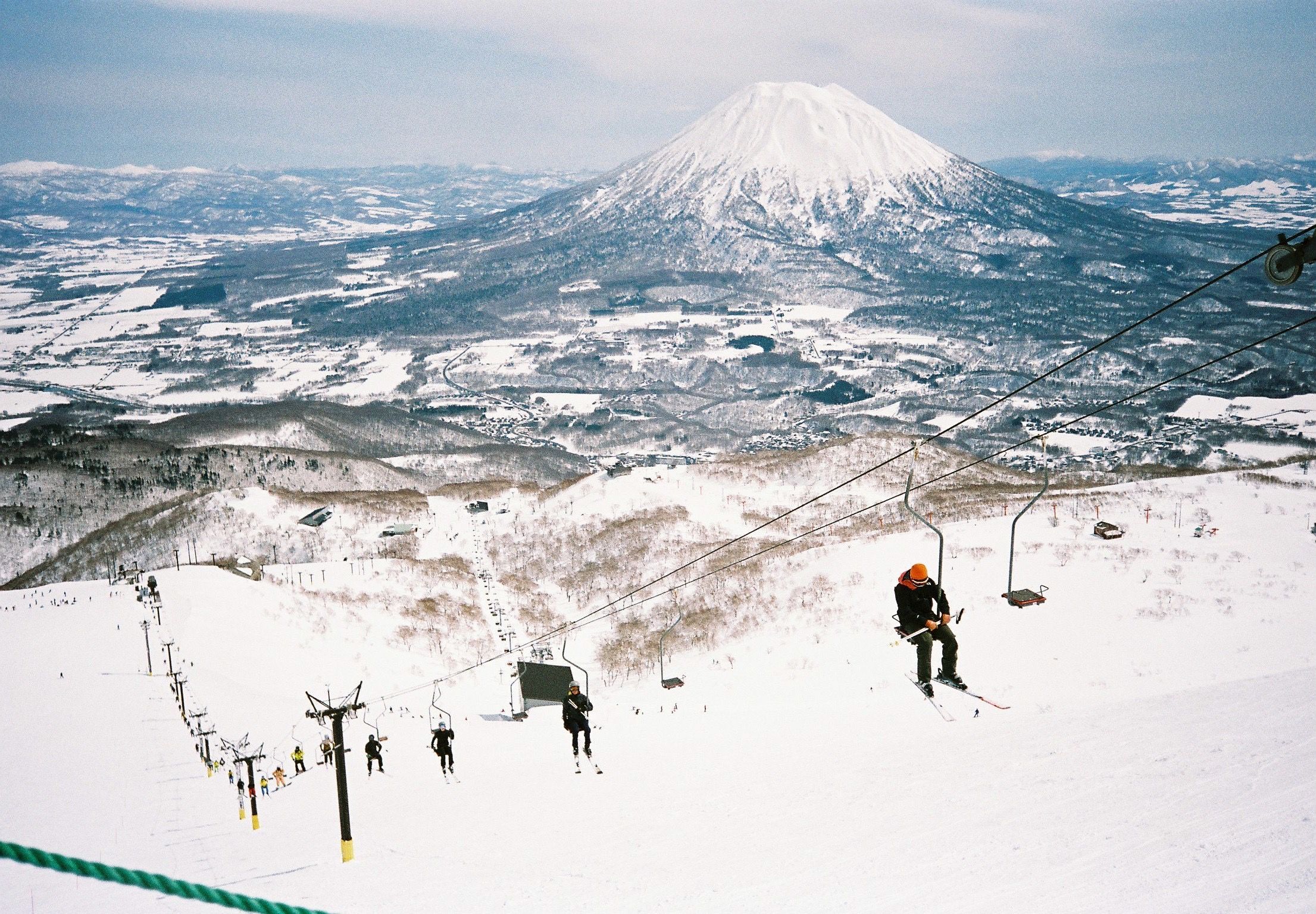
If you’re strapping on skis for the very first time—or it’s been so long you barely remember—you’re a Level 1 skier. At this stage, everything feels unfamiliar: the stiff boots, the slippery skis, even standing still without sliding away. Your main focus is simply learning to stop, turn, and stay balanced.
You’ll spend your time in beginner zones with magic carpet lifts. The first victories are small but satisfying: gliding a few feet, stopping on command, and riding the lift without feeling overwhelmed. Progress at this level means you’re moving with more control than panic.
Once you’ve figured out how to wedge (that “pizza” stance) and stop reliably, you’re ready for Level 2. Green runs still feel challenging, but now the goal is rhythm and consistency. You’re no longer just trying to survive each turn—you’re learning to link them together.
Confidence starts to build as you make smoother wedge turns and manage your speed more naturally. A big milestone here is skiing an entire green run without stopping every few seconds to catch your breath or regain control.
 © Alice Vigneron
At Level 3, skiing becomes more enjoyable than intimidating. You can link wedge turns comfortably down green slopes, and you might even be eyeing steeper trails with curiosity. The focus now shifts toward edging your skis into a more parallel position and experimenting with different turn sizes to control speed.
Runs feel longer and flow more smoothly, and you start to think about technique instead of just survival. When you can ski any green run with confidence and stamina, you’re a true Level 3.
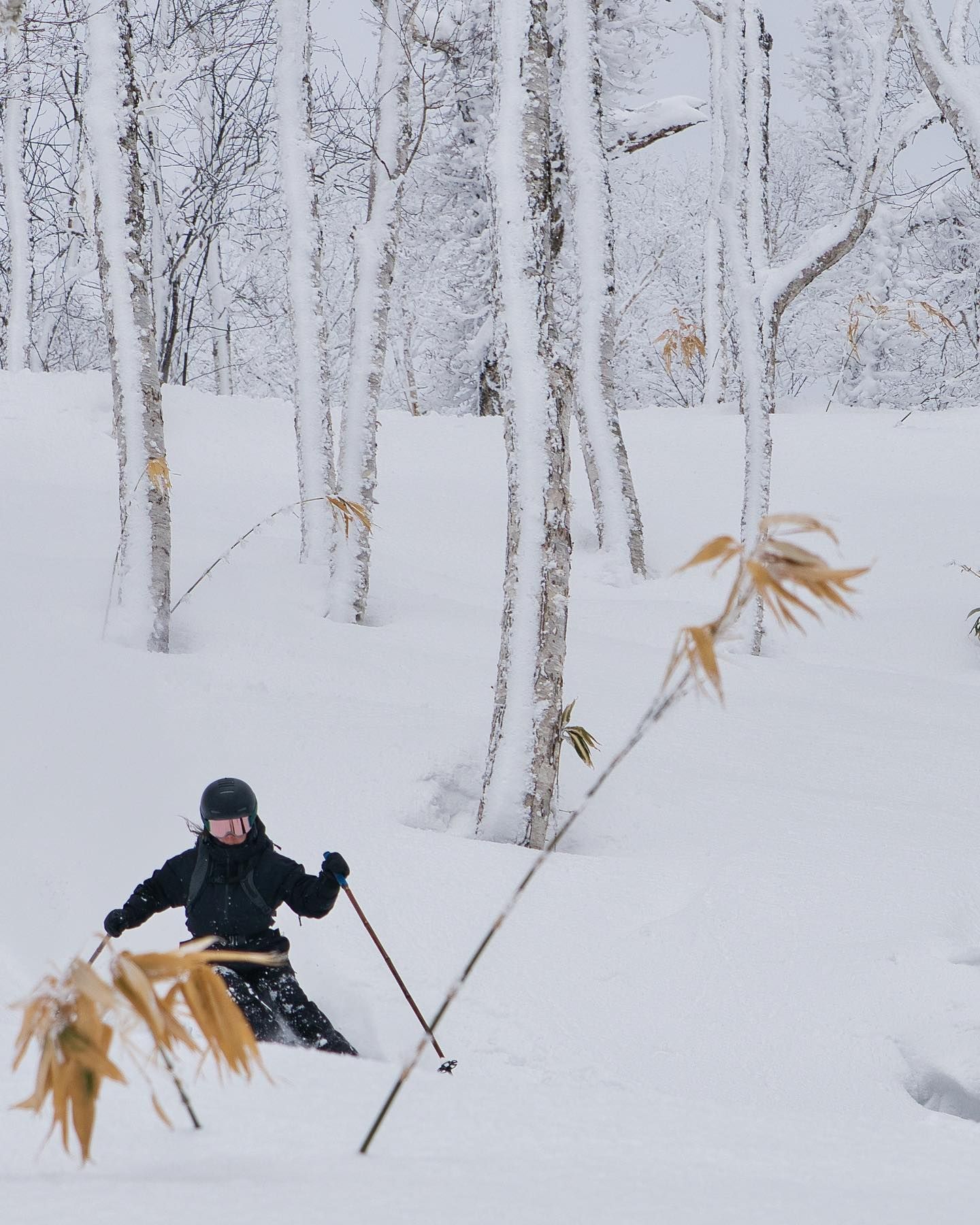
This is where skiing really starts to open up. At Level 4, parallel skiing becomes the norm. You’re cruising down greens and reds (or blues, depending on where you ski), and black runs don’t look quite as intimidating as they once did.
The work now is refining those parallel turns, adding in pole plants, and beginning to carve clean arcs on the snow. You’ll also start building confidence on steeper slopes and maybe dabble in light off-piste terrain. The moment you can ski a red run in full parallel with consistent control, you’ve arrived here.
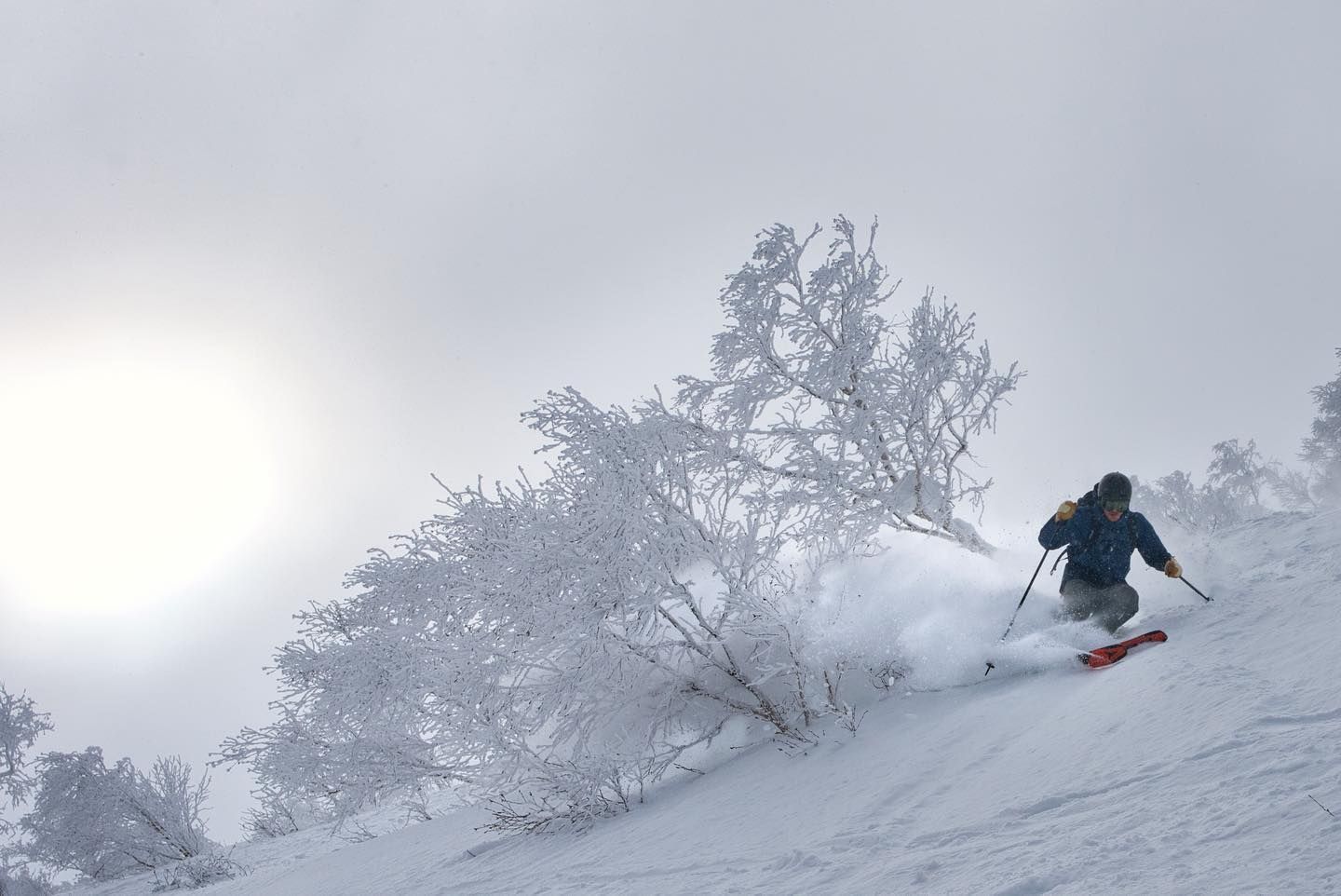
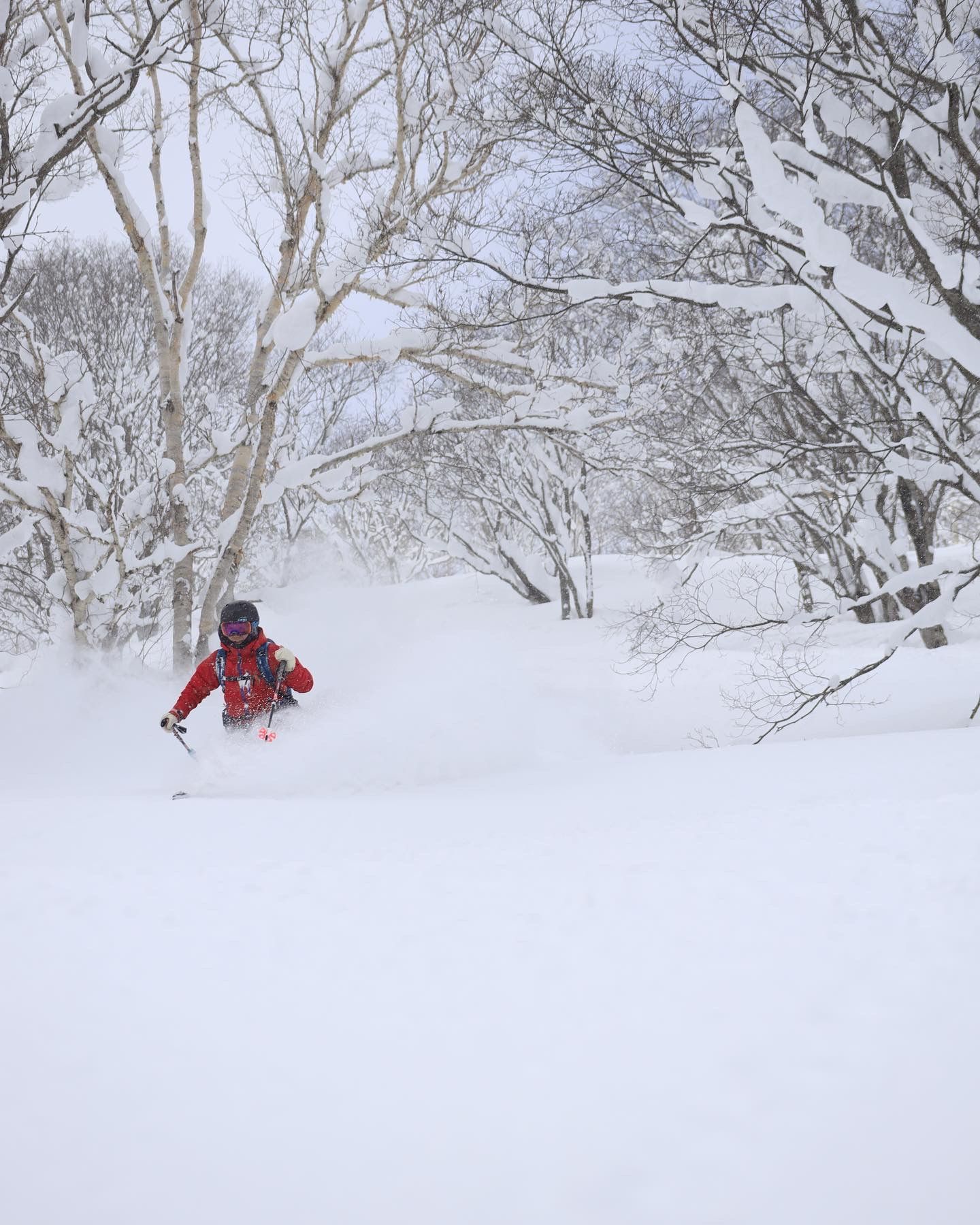
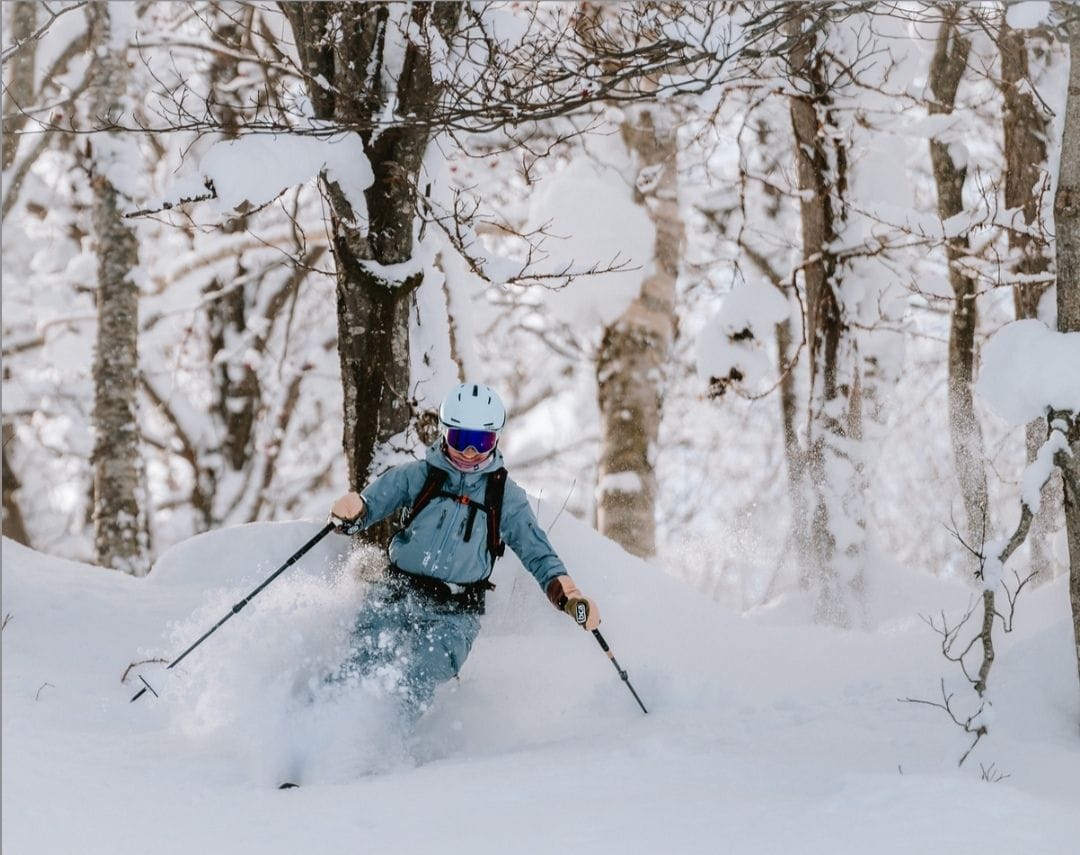
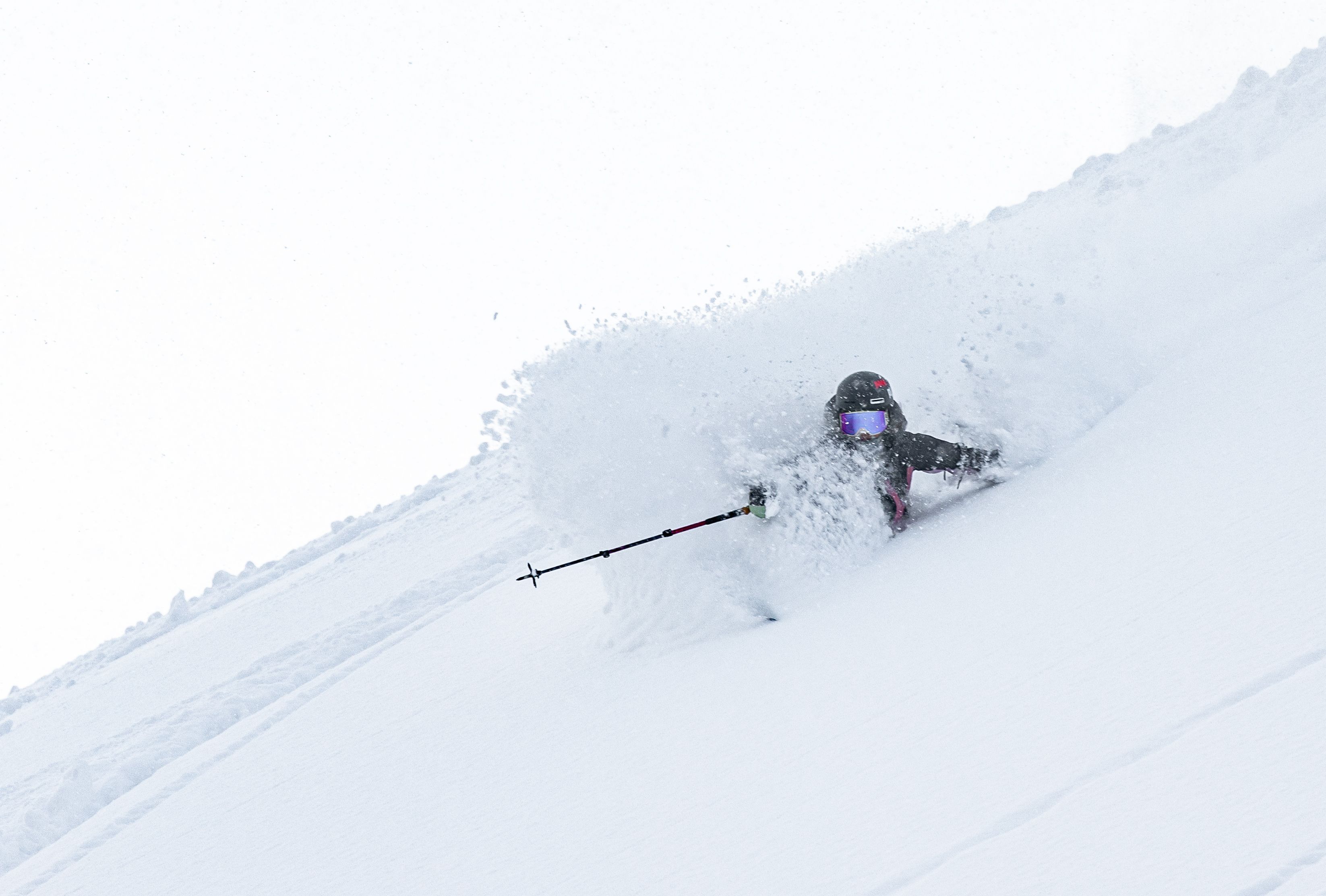
Level 5 skiers are confident everywhere—from steep groomers to moguls, trees, powder, and even off-piste terrain. At this stage, it’s less about learning the basics and more about adapting your skills to any condition the mountain throws at you.
Advanced skiers carve with precision, handle variable snow with ease, and feel at home on the steepest black runs. Mastery doesn’t mean perfection, though. It means versatility: the ability to adjust and thrive no matter what’s under your skis.
 © Alice Vigneron
If you’re strapping into a snowboard for the first time, expect a lot of falls—it’s normal. Simply standing up, sliding a few feet, and stopping without wiping out are huge wins at this stage. The sideways stance takes some getting used to, and balance is the first real challenge.
Most beginners spend their first day on gentle slopes, practicing how to stop on both toe and heel edges. Once you can glide, control your speed, and load a lift without too much drama, you’re ready to move on.
At Level 2, you’re no longer just riding edges—you’re starting to link turns. They might not be smooth every time, but you can control your speed and make it down a green run without relying on the “falling leaf” technique.
The goal here is balance and flow. As you gain confidence, turns start to feel less like work and more like part of the ride.
This level is all about making snowboarding feel natural. You can link turns consistently on green terrain, and your runs have more rhythm and less hesitation. Stamina builds as you ride longer slopes, and you start preparing for blues and more variety in terrain.
The milestone is clear: you can ride down any green run with smooth linked turns and enough energy left for another lap.
Intermediate snowboarders are confident across most of the resort. You can ride reds comfortably, start tackling black runs, and maybe even try out carving, freestyle basics, or switch riding.
The focus now shifts to style and exploration. Snowboarding becomes about expressing yourself—choosing different lines, experimenting with turns, and seeking out terrain that challenges you.
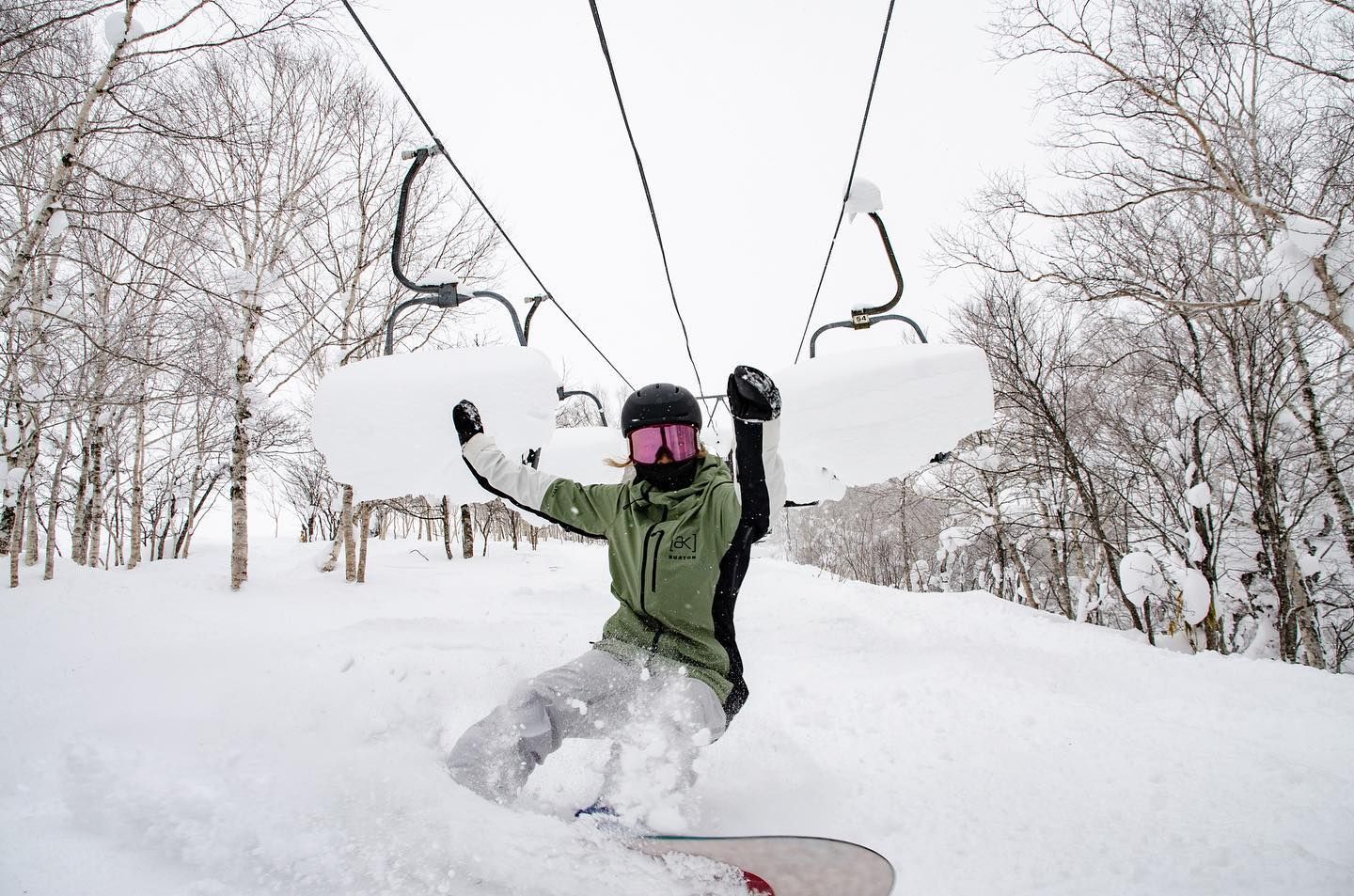
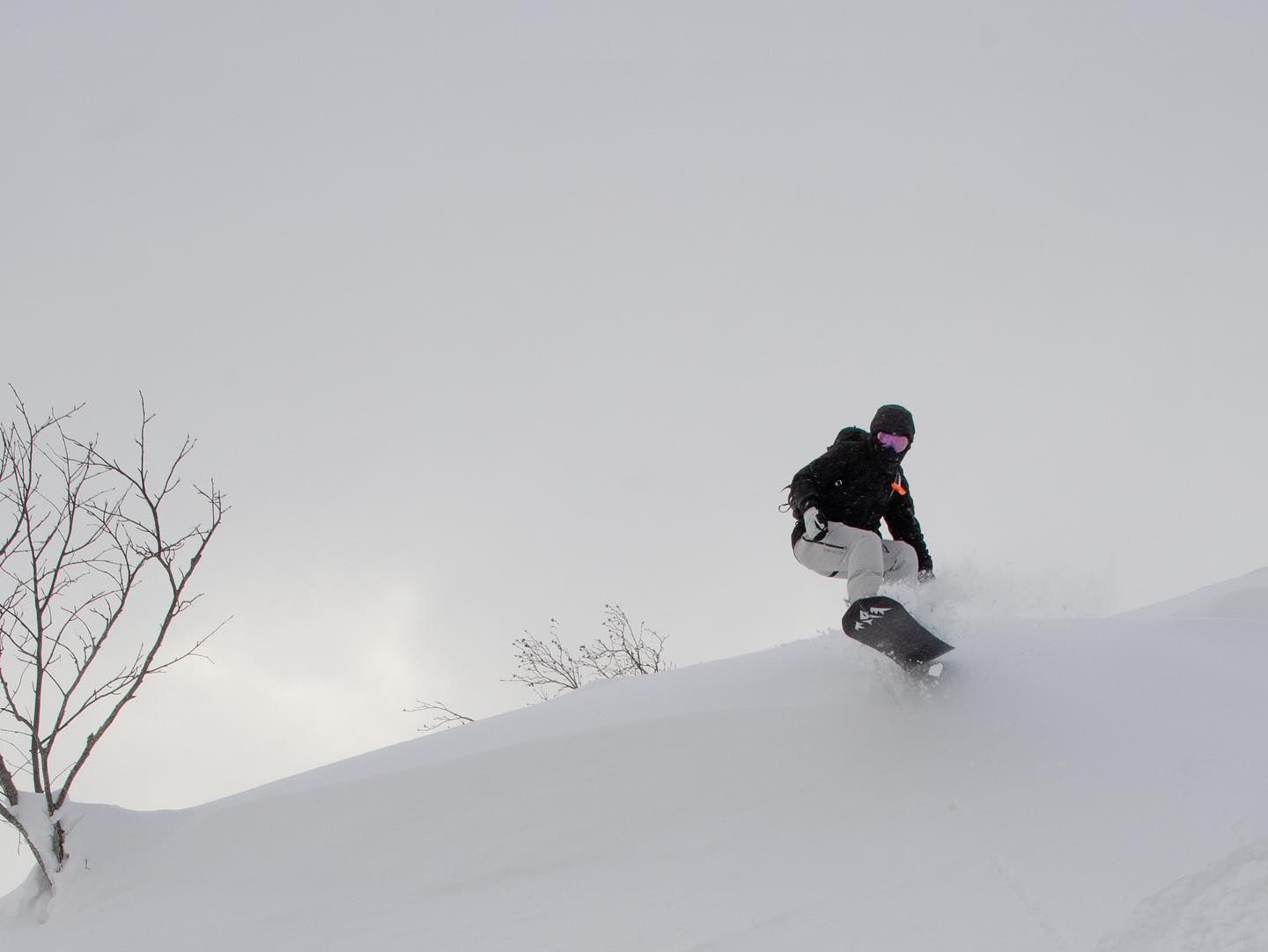
At Level 5, the whole mountain is your playground. Powder stashes, icy steeps, tight trees—it’s all fair game. You’ve built the skills to adapt to any snow condition and ride with confidence anywhere.
Advanced riders often branch into freestyle tricks, backcountry exploration, or perfecting their carving technique. No matter the choice, the board feels like an extension of your body.
 © Alice Vigneron
No matter your level, there’s always another step to take—whether it’s mastering parallel turns, exploring off-piste, or simply riding lifts without nerves. The important thing is being honest about where you are right now.
So the next time someone asks, “What’s your level?” you won’t hesitate. You’ll answer confidently, knowing exactly what that means. And with the right lessons and experience, you’ll keep climbing those levels—and having even more fun each season.