Travel tips
Discover Japan's best ski resorts from Hokkaido to Honshu. Compare powder quality, terrain, and atmosphere across Niseko, Hakuba, Rusutsu, and more to find your perfect Japanese ski destination.
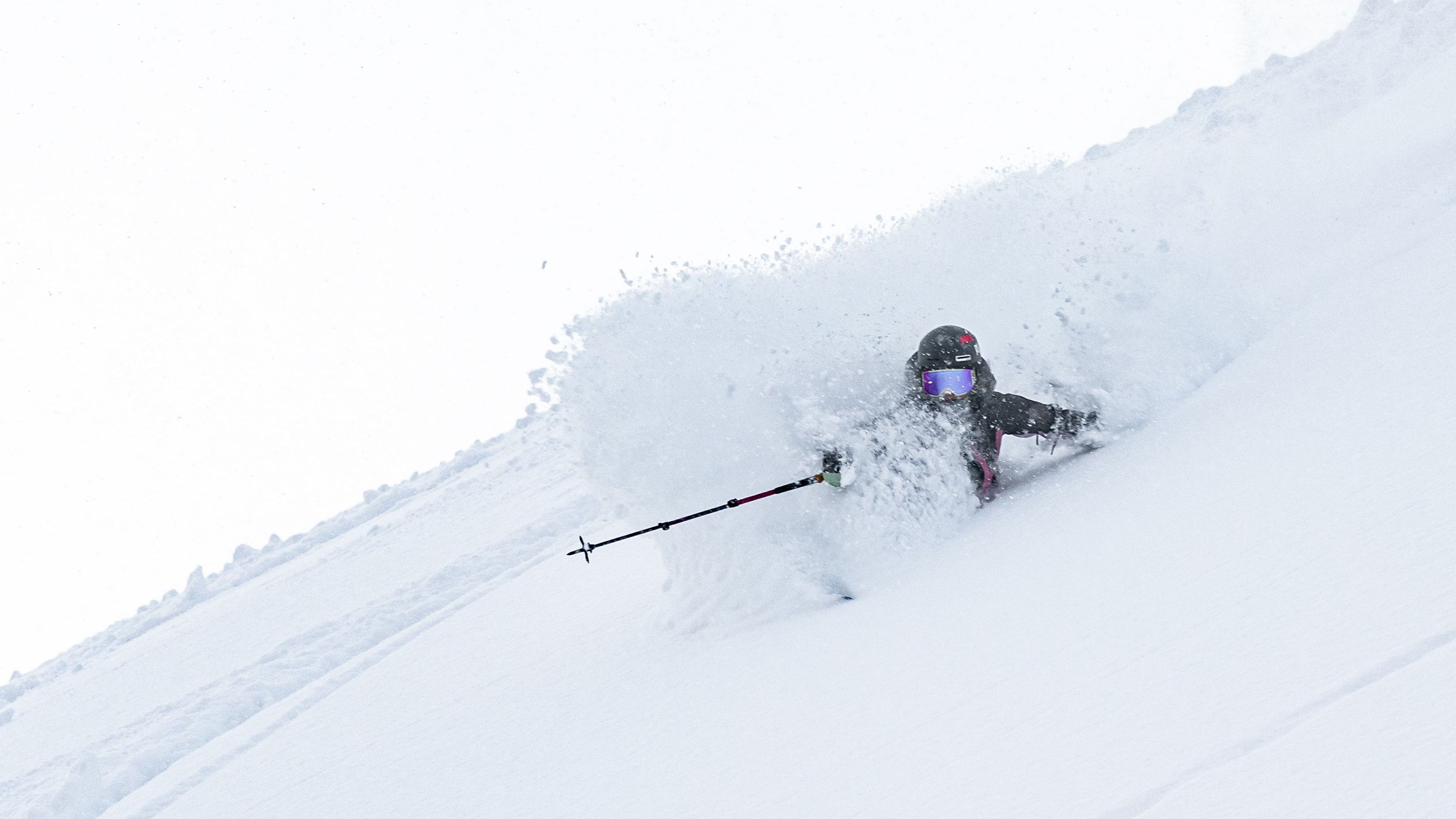
Japan has earned its reputation as one of the world's premier ski destinations, renowned for legendary powder snow that skiers affectionately call "Japow." From Hokkaido's northern powder paradise to the Japanese Alps in Nagano, each region offers distinct experiences shaped by geography, culture, and infrastructure.
This guide provides a quick comparison of Japan's major ski resorts, organized by what they do best. Whether you're chasing the deepest powder, seeking family-friendly facilities, or looking for authentic Japanese culture alongside world-class skiing, you'll find the right resort match here.
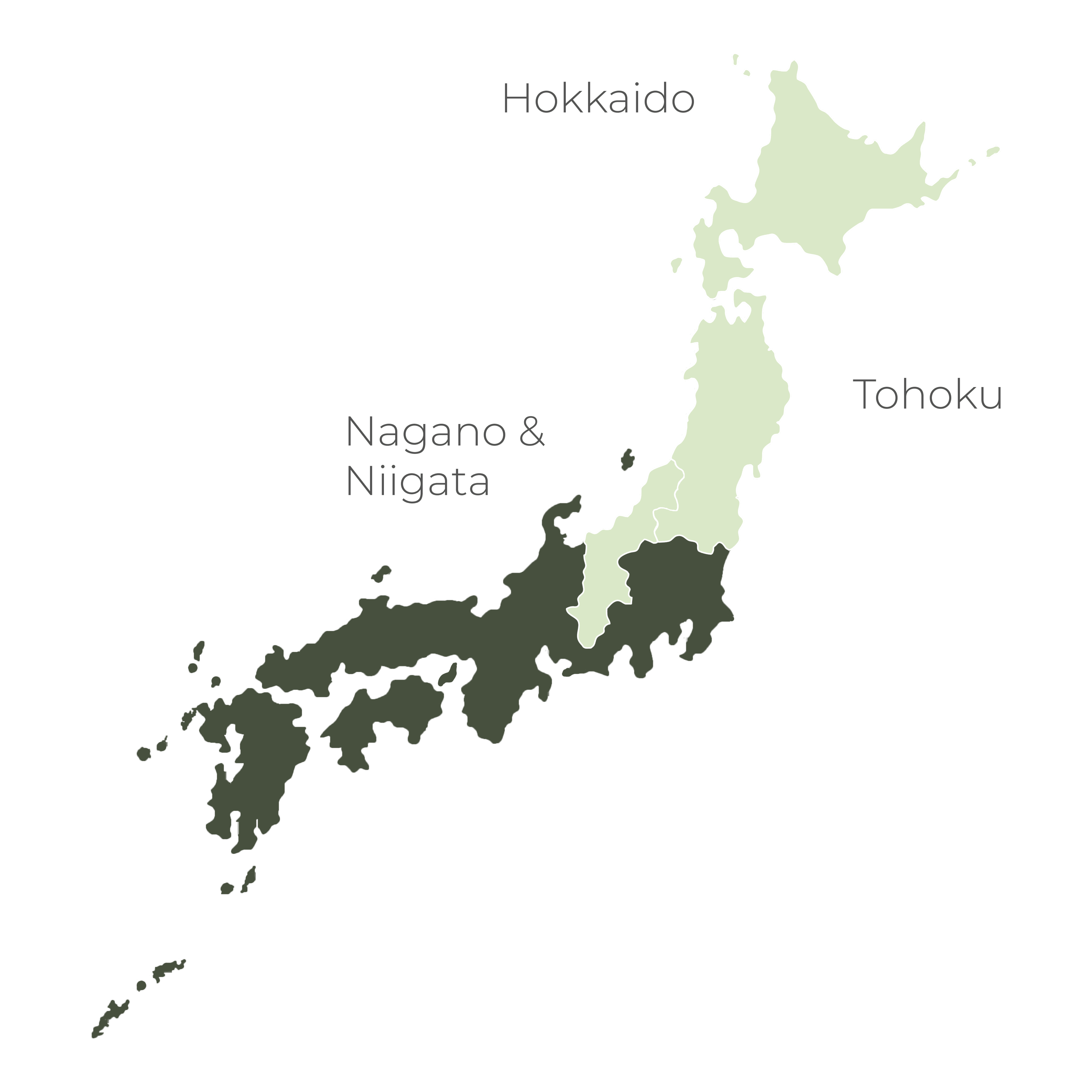
Japan's skiing spans three main regions, each with its own character and advantages.
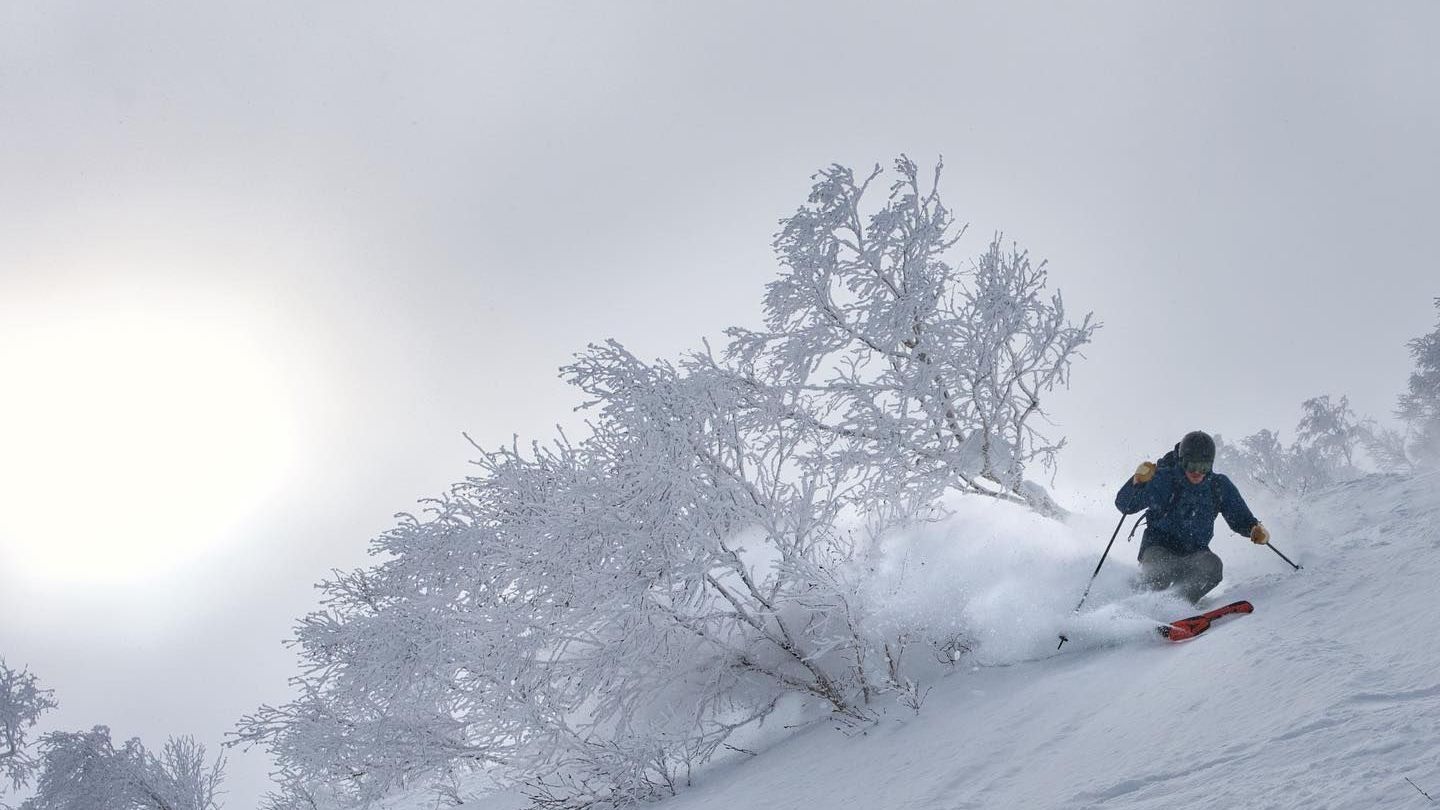
Hokkaido, Japan's northernmost island, receives the most consistent and driest powder snow. The cold Siberian air masses combine with moisture from the Sea of Japan to create incredibly light, dry snow in enormous quantities. Hokkaido's season typically runs from early December through April, with January and February delivering peak conditions.
Nagano & Niigata in the Japanese Alps hosted the 1998 Winter Olympics and remains Japan's skiing heartland. Located just 90 minutes from Tokyo by bullet train (although the final section to the resort requires a bus transfer), Nagano offers easier access than Hokkaido and dozens of resorts ranging from intimate village areas to massive multi-mountain complexes. The snow quality rivals Hokkaido, though very slightly wetter due to lower latitude.
Tohoku, in northern Honshu remains the least developed internationally but rewards those who make the journey with excellent snow, fewer crowds, and deeply authentic Japanese experiences. The region's resorts are more spread out than Nagano's clusters, each with distinct character.
 © Hikari Snowsports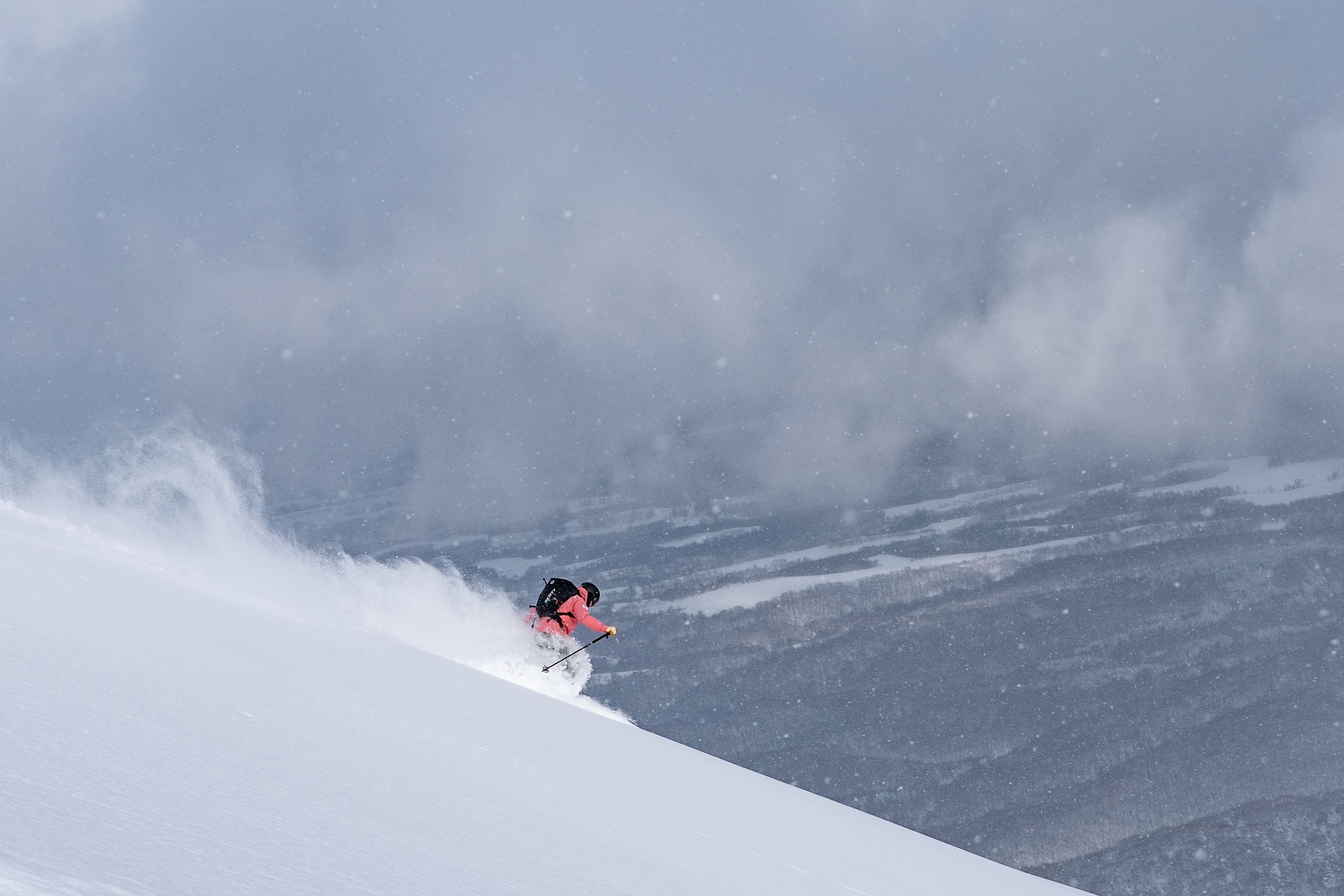
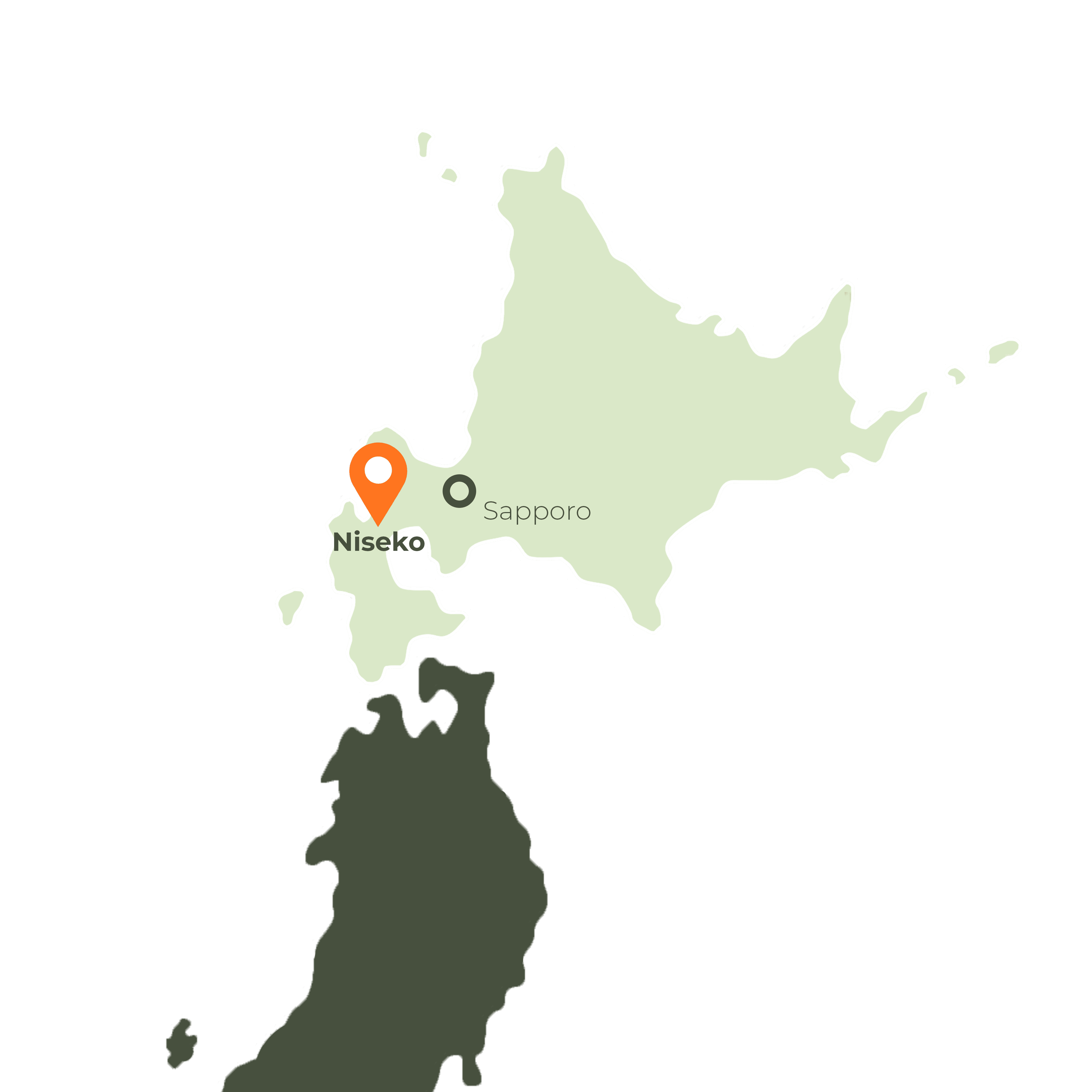
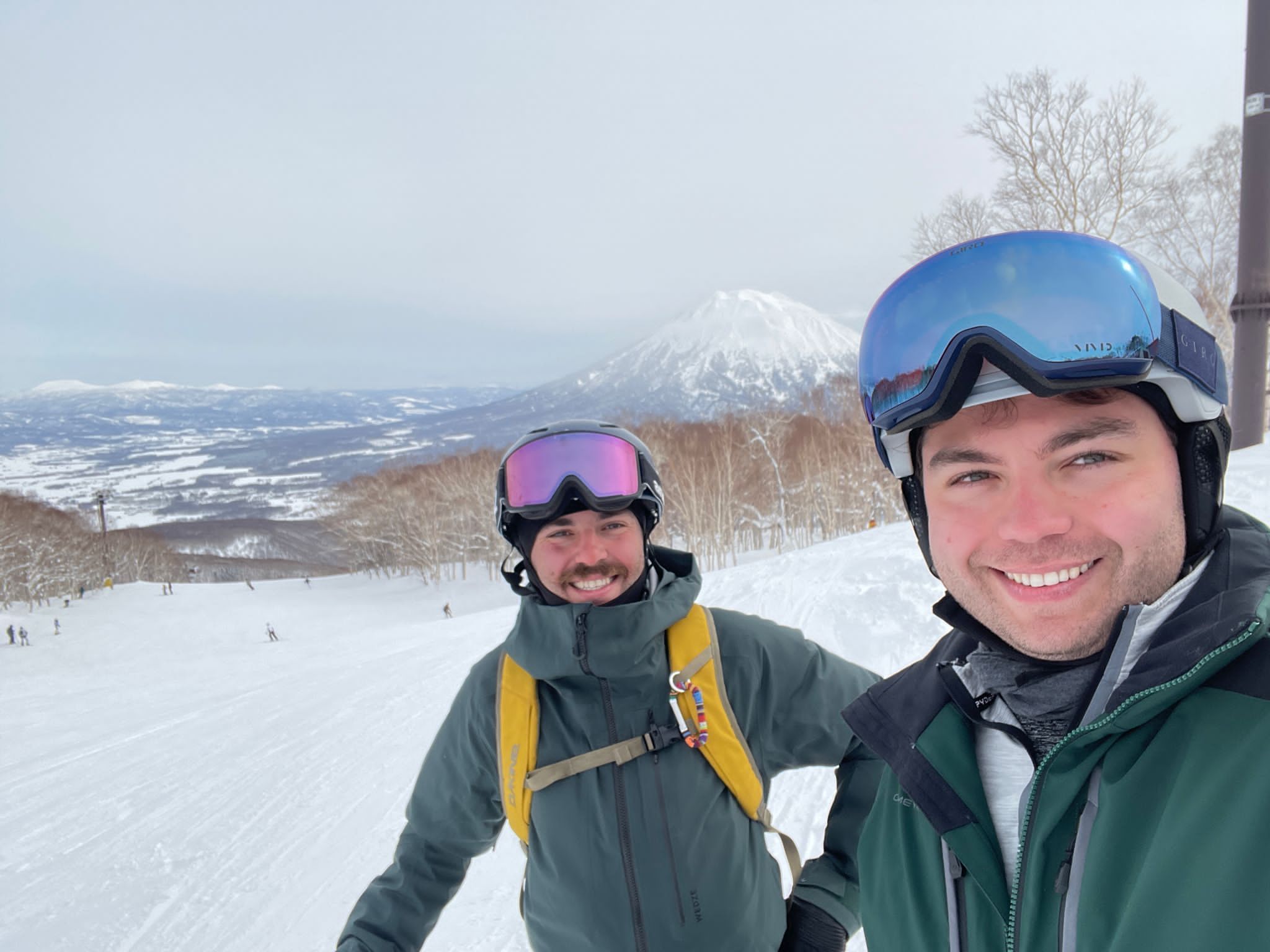
Four interconnected ski areas—Grand Hirafu, Hanazono, Niseko Village, and Annupuri—combine to create Japan's most internationally developed resort. Niseko receives an average of 15 meters of champagne powder annually and has evolved into a cosmopolitan ski village with diverse dining, vibrant nightlife, and extensive English-language services.
The terrain caters to all abilities across 2,000 skiable acres, with excellent tree skiing and sidecountry access through designated gates. Grand Hirafu offers the liveliest village atmosphere, while Hanazono appeals to advanced skiers with challenging terrain. Niseko Village and Annupuri provide quieter, more family-oriented experiences.
Best for: First-time visitors to Japan, powder enthusiasts, those wanting international dining and nightlife, English-speaking services
Not ideal for: Skiers seeking authentic Japanese village atmosphere, budget-conscious travelers during peak season
 © Hikari Snowsports
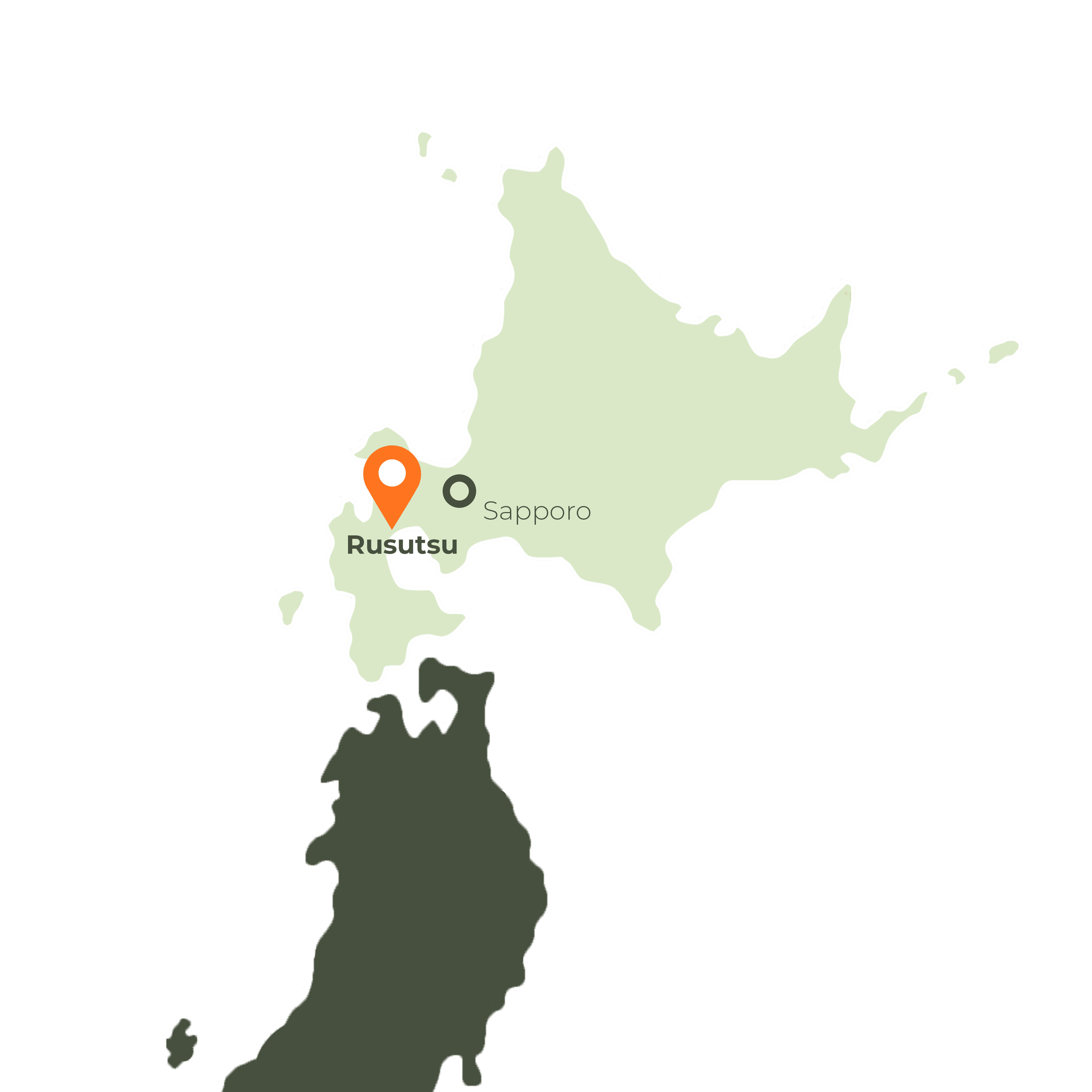
Three seamlessly connected mountains—West, East, and Isola—create Hokkaido's largest integrated ski resort with 42 pistes across varied terrain. The resort receives the same legendary Hokkaido powder as Niseko but with lighter crowds even during peak season.
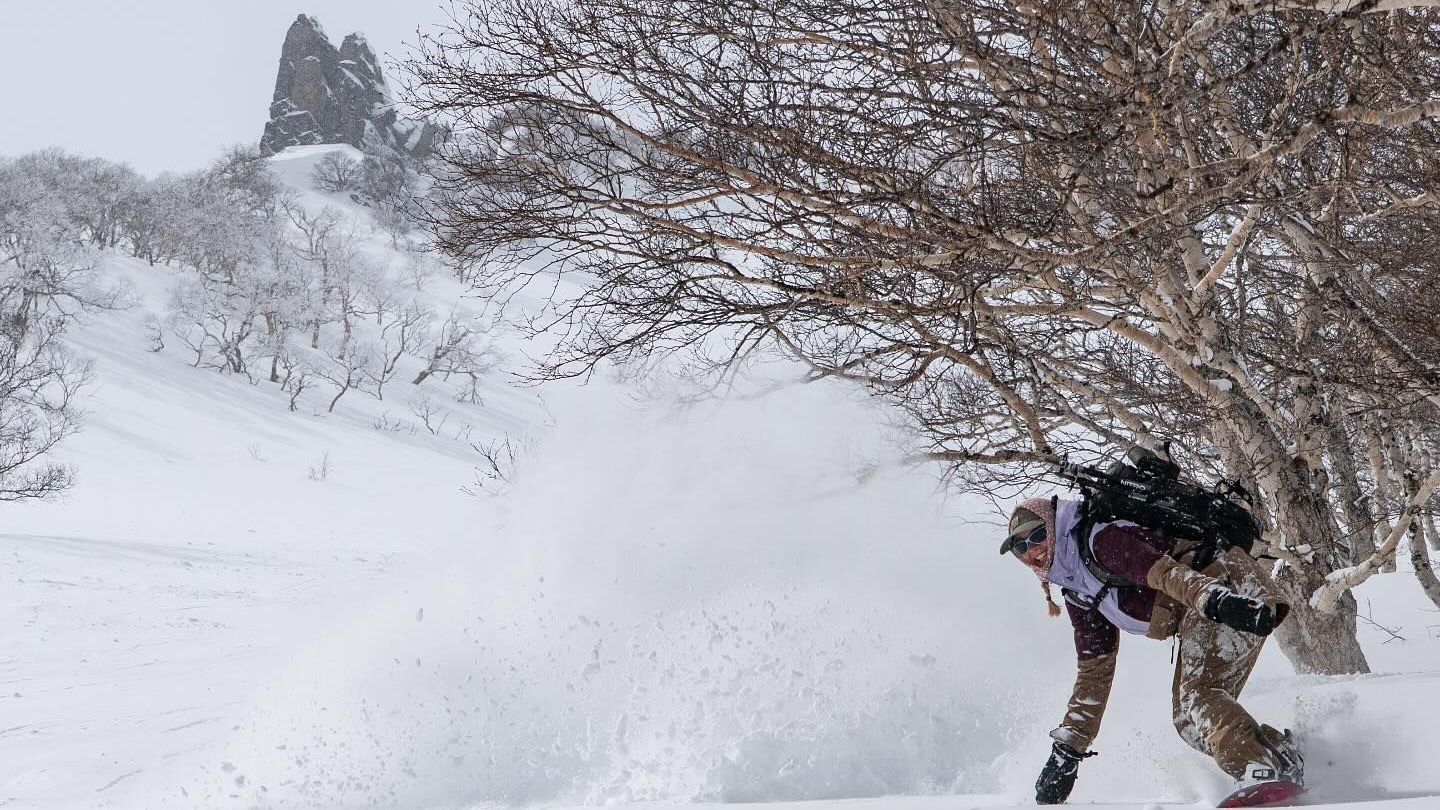
Rusutsu excels at grooming while maintaining extensive off-piste opportunities, particularly in the birch forests of East Mountain. The self-contained resort centers around large hotels offering convenience and ski-in/ski-out access, making it ideal for those who prefer everything under one roof rather than exploring a spread-out village.
Best for: Families wanting convenience, skiers prioritizing shorter lift queues, those seeking quieter slopes than Niseko, self-contained resort experience
Not ideal for: Nightlife seekers, those wanting diverse village dining beyond hotel restaurants
 © Hikari Snowsports
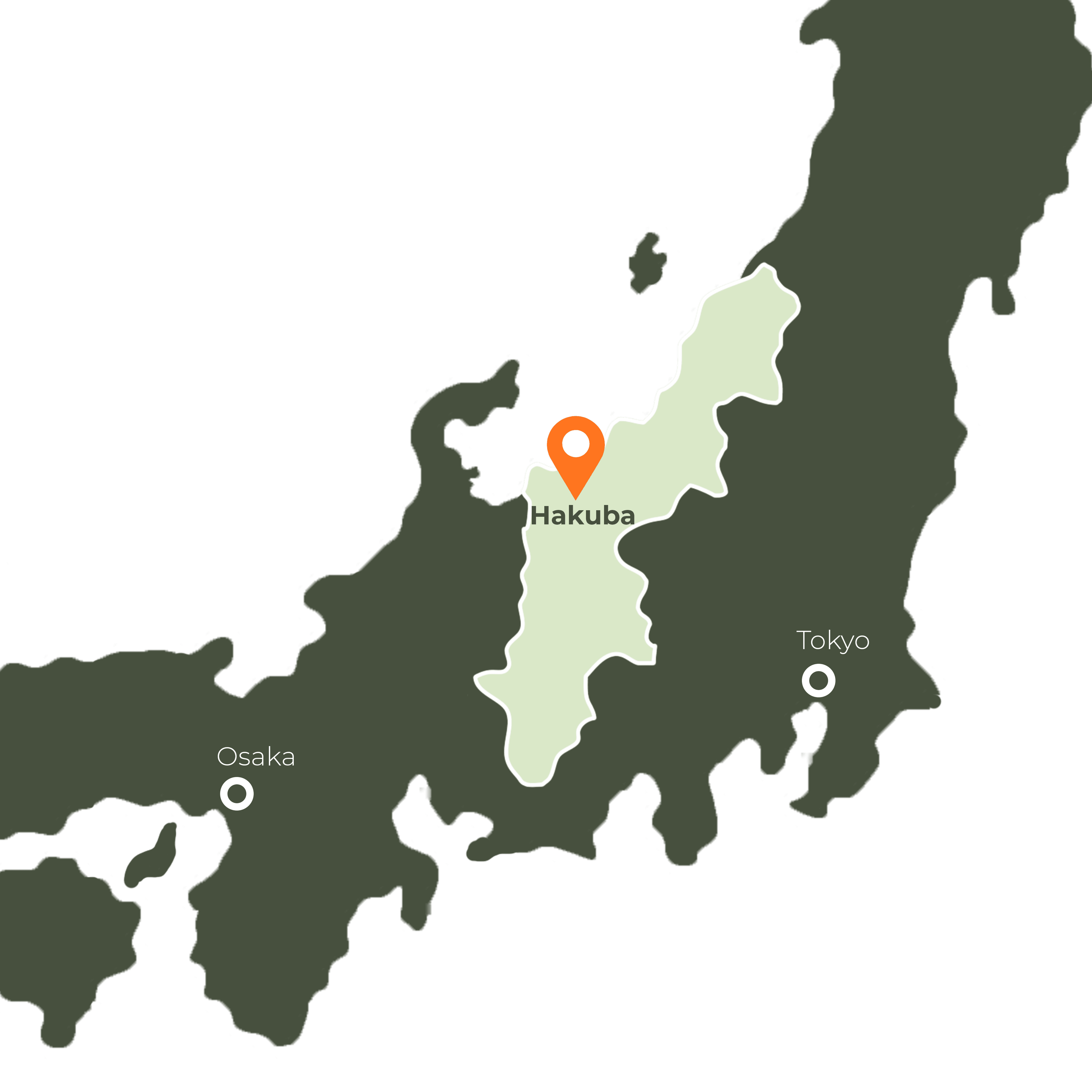
Ten interconnected ski resorts spread across the Northern Japanese Alps offer Japan's largest collective ski area. Hakuba hosted alpine events during the 1998 Olympics and has since become Nagano's answer to Niseko—international, accessible, and diverse.
Hakuba Happo-One dominates as the largest single resort with Olympic-caliber steeps and stunning alpine views. Hakuba Goryu and Hakuba 47 connect to provide varied terrain and excellent parks, while Hakuba Cortina at the valley's northern end is renowned for deep powder and extensive tree skiing. The valley receives 11+ meters of snow annually.
The village atmosphere centers around Happo-One's Echoland area, offering international restaurants, bars, and accommodation ranging from budget guesthouses to luxury chalets. Hakuba's proximity to Tokyo (three to four hours) makes it Japan's most accessible major resort.
Best for: Easy access from Tokyo, varied terrain across multiple mountains, Olympic-caliber runs, international atmosphere closer to home than Hokkaido
Not ideal for: Those seeking a single, cohesive resort layout (requires buses between areas)
 © Hikari Snowsports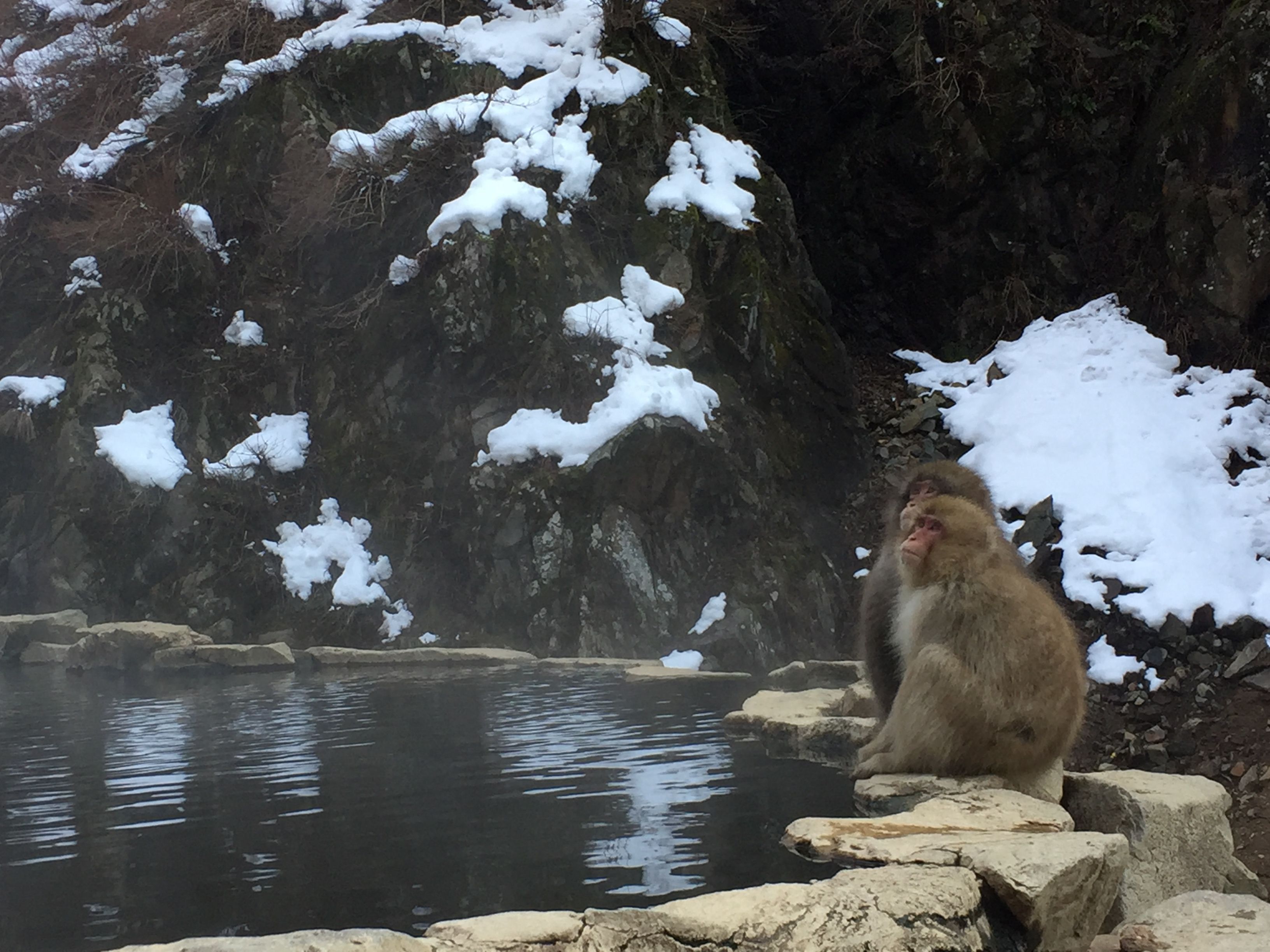
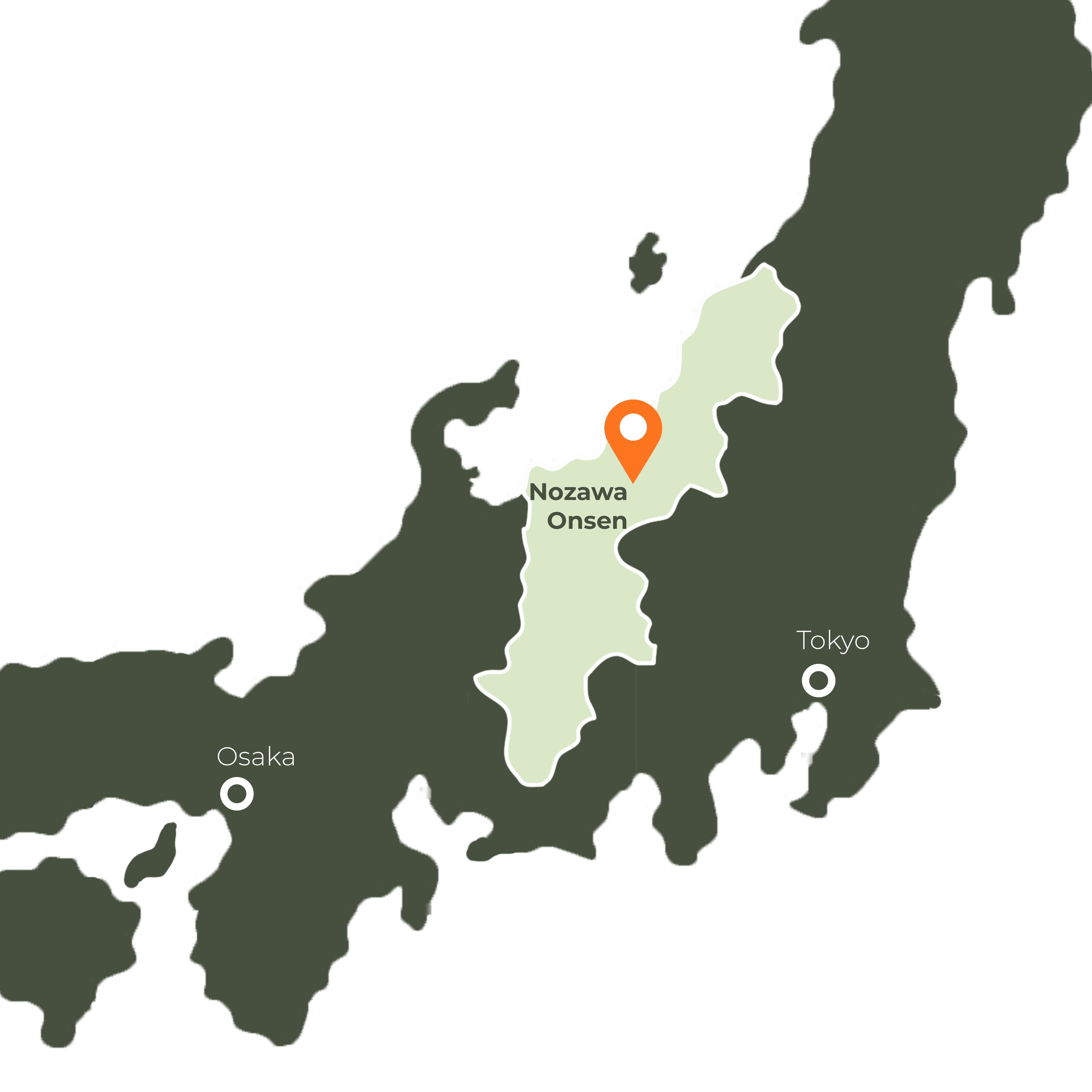
This historic hot spring village predates its ski resort by over 700 years. Thirteen free public onsens maintained by village neighborhoods create an authentic atmosphere unmatched at more modern resorts. The compact village sits at the base of 50 kilometers of varied terrain, including Japan's longest continuous run.
The resort offers excellent powder, particularly in the Yamabiko bowl at the summit, but the village experience truly distinguishes Nozawa Onsen. Narrow streets wind between traditional wooden buildings housing family-run inns, local restaurants, and craft shops. The famous Fire Festival each January draws visitors from across Japan.
Best for: Cultural immersion with world-class skiing, onsen enthusiasts, intermediate skiers, those seeking authentic Japanese village life
Not ideal for: Visitors wanting modern resort amenities, those needing extensive English services everywhere
 © Hikari Snowsports
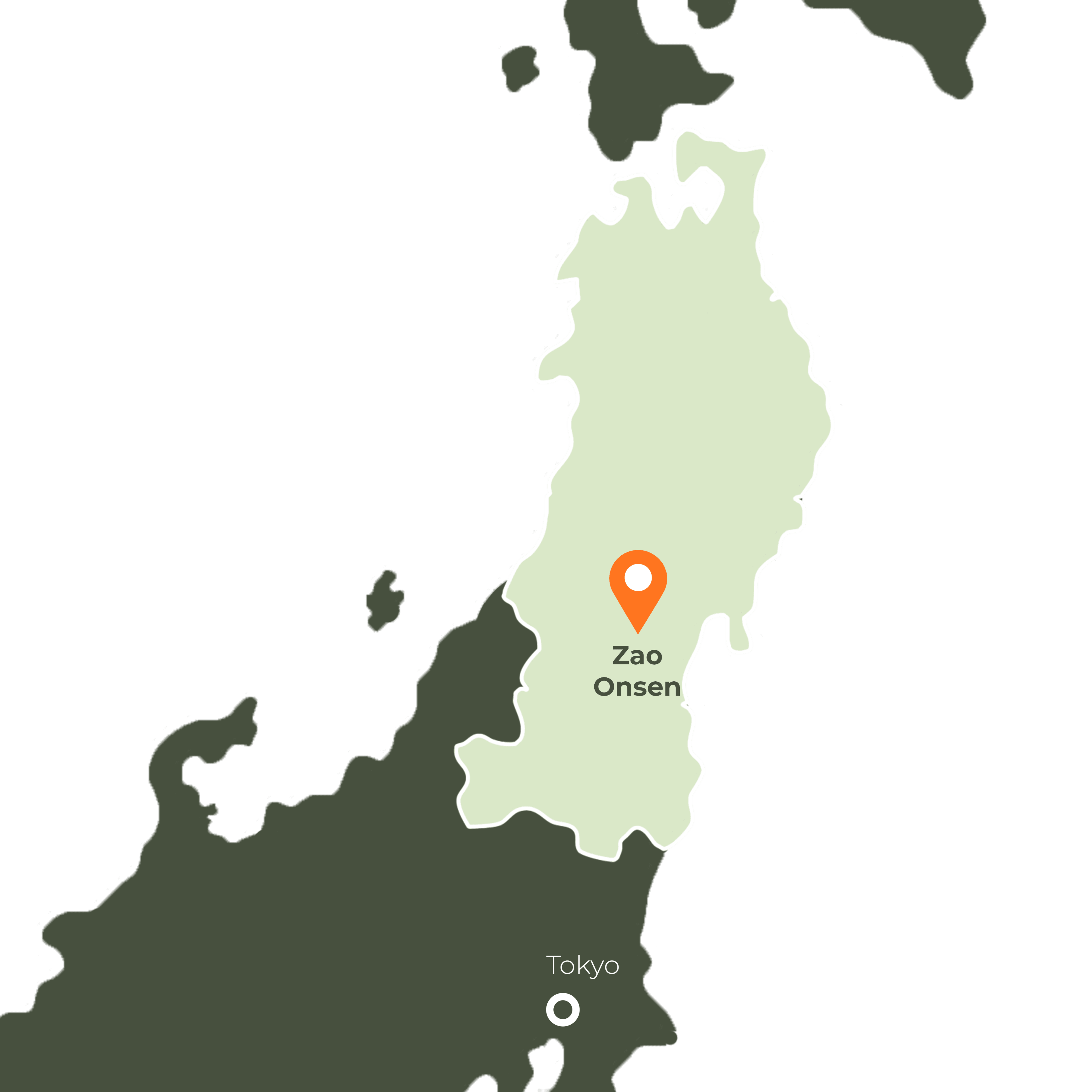
Famous for the "snow monsters"—trees transformed into otherworldly ice sculptures—Zao Onsen combines dramatic winter scenery with one of Japan's oldest hot spring traditions. The village sits at 900 meters with the resort climbing to 1,660 meters across 305 skiable hectares.
Zao receives heavy snowfall that creates the unique snow monster formations visible from late January through March. The acidic hot spring waters are considered particularly therapeutic, and numerous traditional ryokans offer in-house onsen facilities. The resort retains a distinctly Japanese character with minimal international development.
Best for: Unique natural phenomena (snow monsters), authentic Japanese hot spring culture, photographers, those seeking undiscovered destinations
Not ideal for: Beginners (limited easy terrain), English-speaking services, easy access from Tokyo
 © Hikari Snowsports
 © Jack Reid
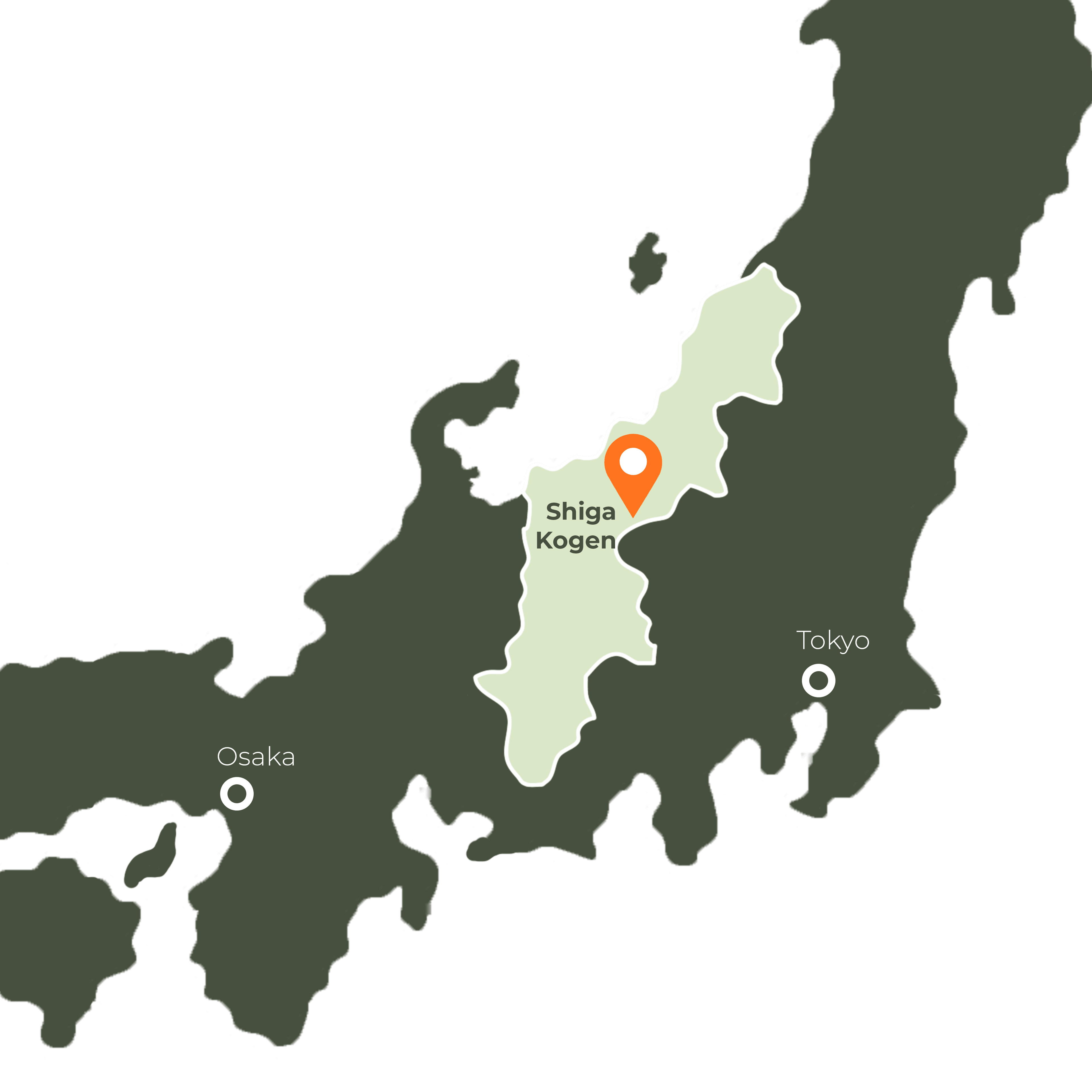
Japan's largest ski resort spreads across 600 hectares with 80+ interconnected runs served by 5 gondolas and 43 lifts. The vast, connected terrain allows families and mixed-ability groups to explore together while finding appropriate challenges for each skill level.
The resort's high elevation (with runs reaching 2,307 meters) and inland position create Japan's longest season, often opening mid-November and closing in May. As a national park, development is limited, maintaining natural beauty while providing modern lift infrastructure. Multiple villages throughout the resort offer accommodation directly on the slopes.
Best for: Extended families with varied abilities, long season skiing, vast terrain exploration, proximity to Snow Monkey Park
Not ideal for: Those seeking lively nightlife, visitors wanting compact, walkable village atmosphere
 © Hikari Snowsports
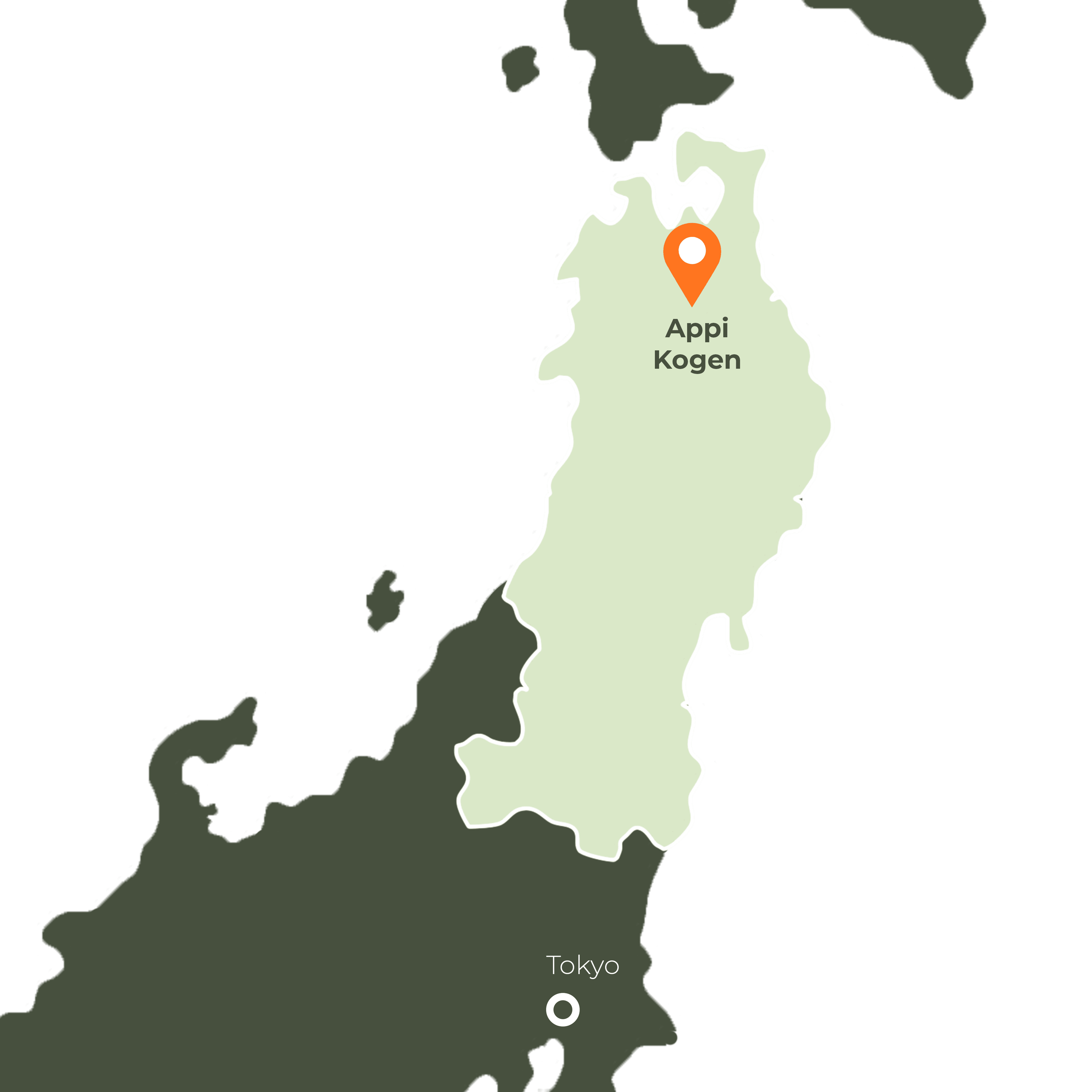
This family-friendly resort emphasizes customer service and well-maintained facilities across 21 pistes averaging 2 kilometers in length. The longest run stretches 5.5 kilometers, perfect for building confidence through extended cruising.
Appi's north-facing slopes preserve powder quality throughout the long season (late November to early May). The resort provides exceptional children's facilities, English-speaking instruction, and accommodation options ranging from the ANA InterContinental to more economical lodges. The "Be Happy in Appi" slogan reflects the resort's welcoming, stress-free atmosphere.
Best for: First-time families visiting Japan, long grooming runs, English-speaking instruction and services, stress-free resort experience
Not ideal for: Advanced terrain seekers, those wanting vibrant village nightlife
 © Hikari Snowsports
 © Hikari Snowsports
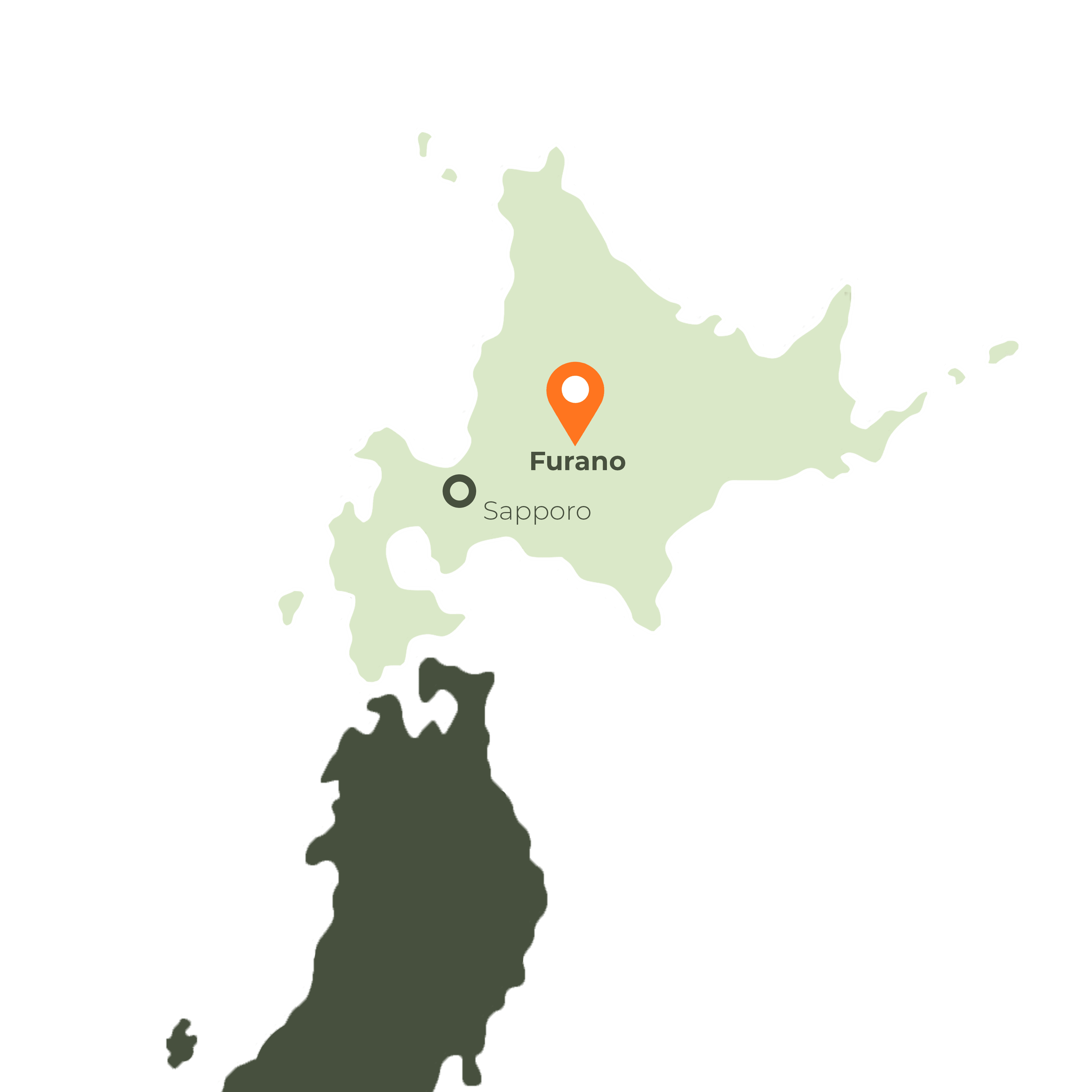
Located in central Hokkaido near Asahikawa and the legendary Asahidake backcountry area, Furano offers spectacular views of the Daisetsu mountain range and some of Japan's driest, lightest powder. The resort splits into two zones—Furano and Kitanomine—with 28 pistes served by modern lifts.
Furano hosted FIS World Cup events and maintains professional-grade grooming alongside excellent off-piste areas. The resort's central Hokkaido location makes it an ideal base for exploring nearby advanced terrain including day trips to Asahidake, one of Japan's premier backcountry destinations. The nearby town of Furano provides authentic Japanese cultural experiences.
Best for: Advanced skiers seeking World Cup-level terrain, those wanting access to central Hokkaido backcountry, long cruising runs, visitors combining multiple Hokkaido mountains
Not ideal for: Beginners needing extensive gentle terrain, those prioritizing village nightlife
 © Hikari Snowsports
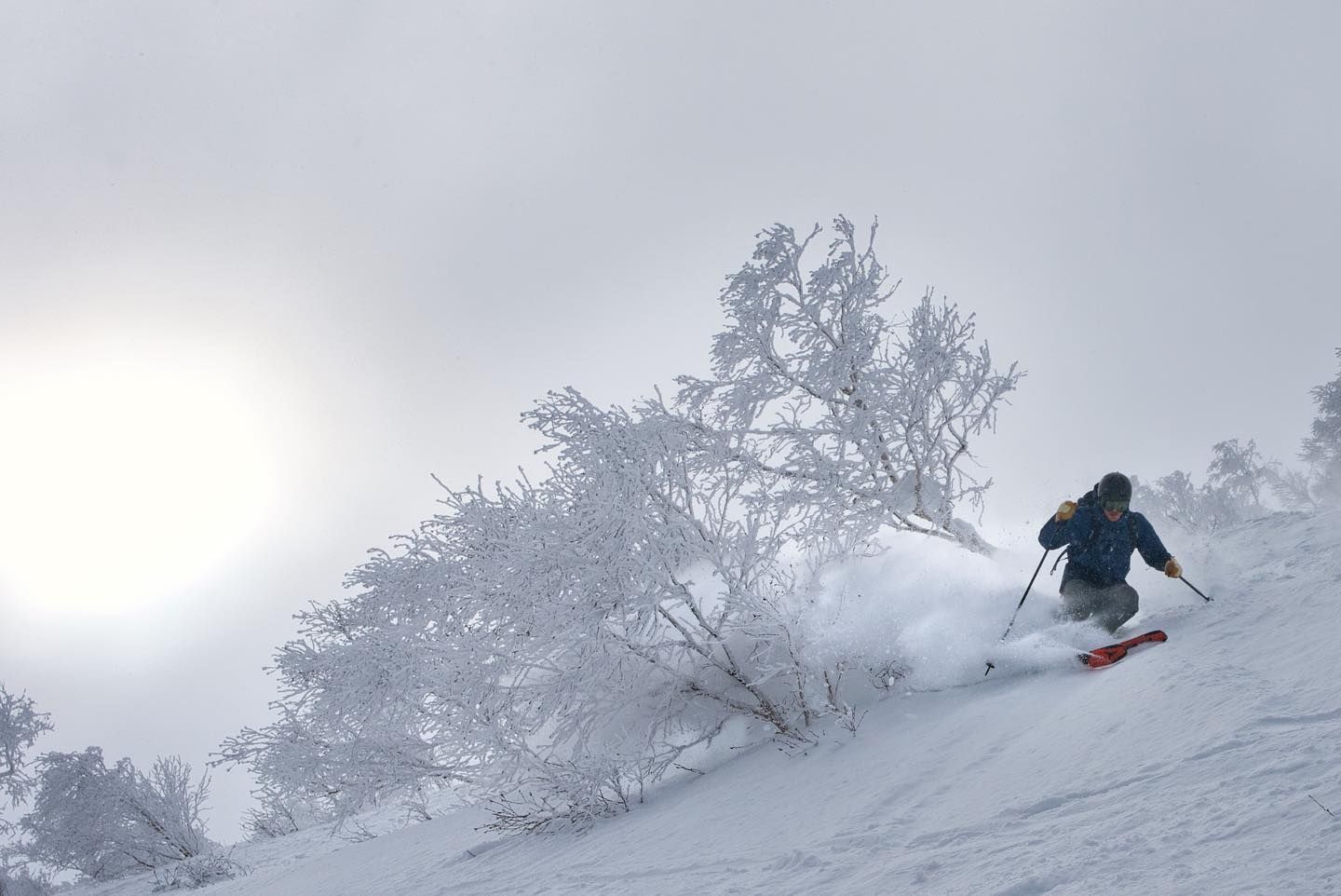
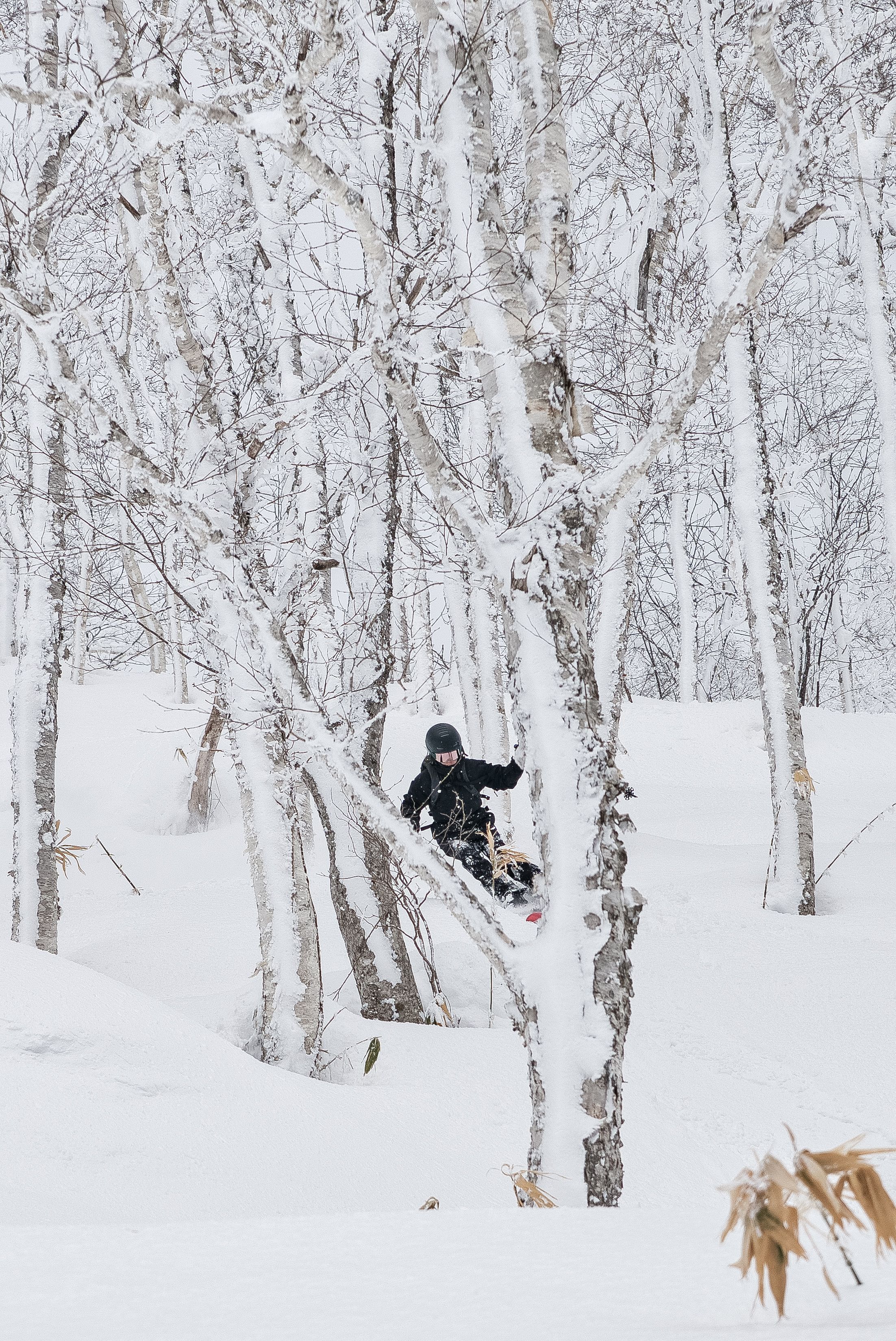
At the northern end of Hakuba Valley, Cortina pioneered sidecountry skiing in Japan and remains renowned for accessible powder terrain. The resort receives some of Hakuba's heaviest snowfall and maintains excellent tree skiing within the resort boundary.
The relatively intimate scale and north-facing orientation preserve powder long after storms. While less developed than main Hakuba resorts, Cortina offers excellent onsen facilities at the base and a more relaxed atmosphere. It's ideal for skilled skiers chasing fresh lines without extensive hiking.
Best for: Powder hunting, tree skiing, those wanting less crowded advanced terrain than main Hakuba resorts
Not ideal for: Beginners, families with young children, those needing extensive village amenities
© Hikari Snowsports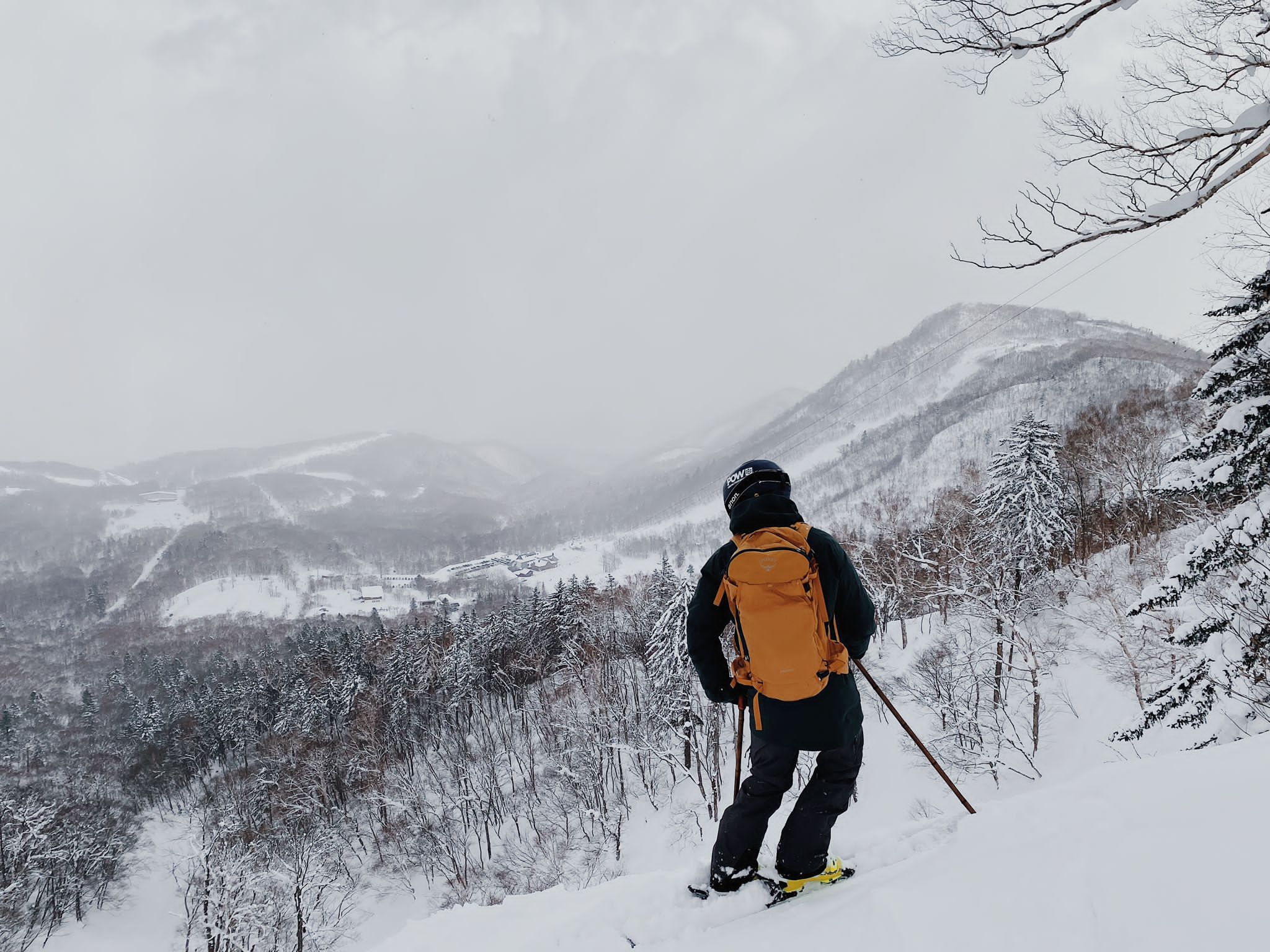 © Beth Reid
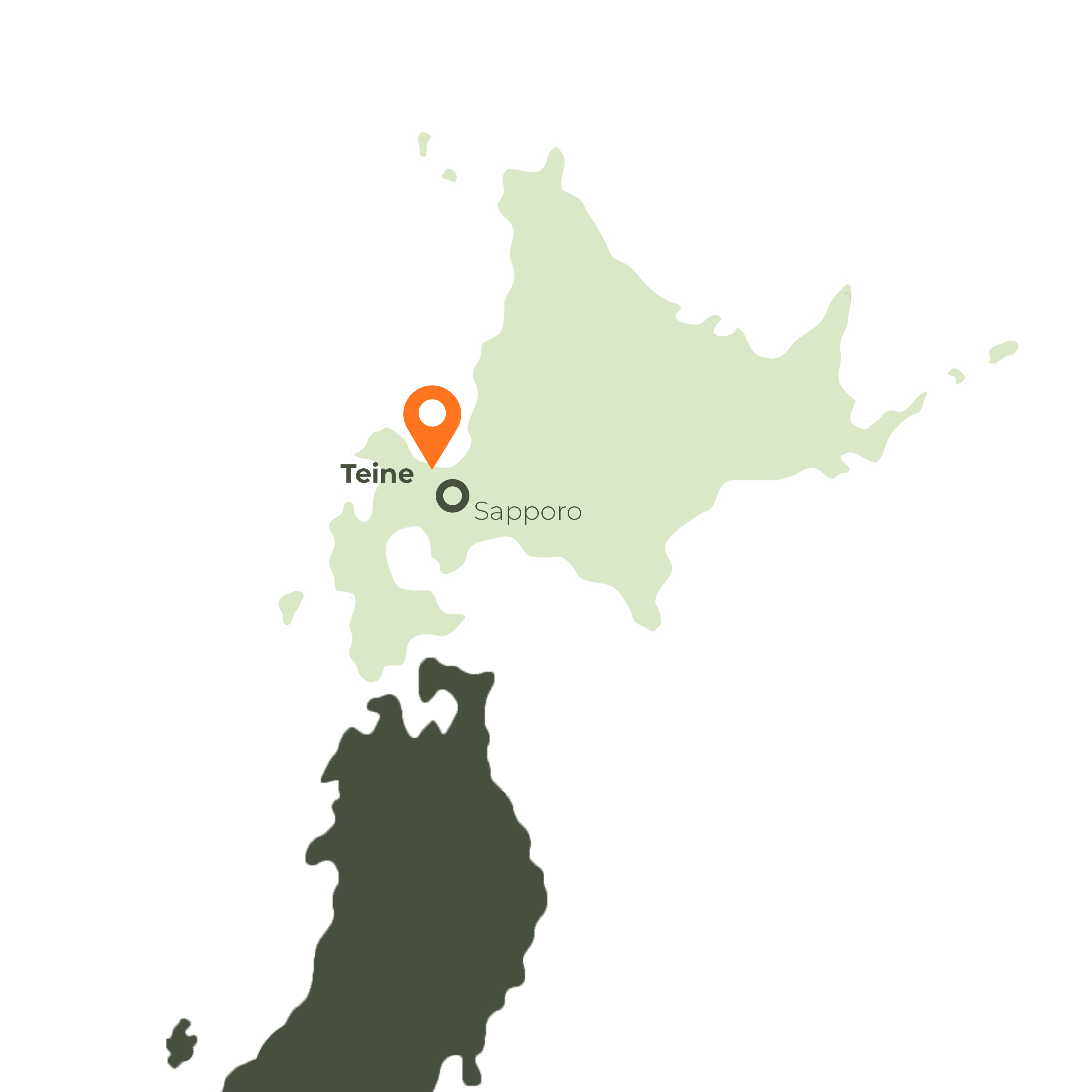
Less than an hour from Sapporo city center, Teine hosted Olympic events during the 1972 Winter Games. The compact resort offers dramatic pitches, including the Seikadai black run reaching 38 degrees. Teine must also have one of the most unique views of any ski resort, with uninterrupted views over both the sprawling city of Sapporo and the Sea of Japan.
The resort combines challenging terrain with city proximity, allowing visitors to experience urban Sapporo (including the famous beer scene and nightlife) while accessing quality skiing. It's ideal for combining city tourism with mountain sports rather than committing to mountain village accommodation.
The close proximity to New Chitose Airport to the slopes means the Hikari team has even used Teine to sneak in an extra half-day of skiing before a late afternoon flight.
Best for: Combining urban Sapporo sightseeing with skiing, Olympic history enthusiasts, those wanting steep terrain without remote travel.
Not ideal for: A peaceful holiday in nature - Teine’s proximity to Sapporo comes at the obvious cost that you feel like you are in the city suburbs.
 © Hikari Snowsports
When to Visit: January and February offer the deepest, most consistent powder but also peak crowds and prices. December and March provide excellent value with lighter crowds, though powder frequency decreases in March. Early December can offer surprisingly good conditions before the Christmas rush.
How Long to Stay: Minimum three nights allows proper enjoyment of a single resort. A week enables exploring multiple mountains within a region or combining two resorts (such as Niseko and Rusutsu, or several Hakuba areas). Two weeks permits experiencing different regions—combining Hokkaido and Nagano, for example.
 © Hikari Snowsports
Accommodation: Book 3-6 months ahead for peak season (Christmas through February). Hokkaido's major resorts and popular Nagano villages sell out well in advance. Consider splitting time between resorts or exploring quieter areas like Myoko Kogen or Tohoku for better availability.
Getting Around: Most resorts are accessible via a combination of bullet train (shinkansen) and bus or local train. Rental cars provide flexibility for exploring multiple resorts but require winter driving confidence. Many resorts operate shuttle buses between accommodation and lifts.
Language: Niseko and Hakuba offer the most extensive English services. Other resorts vary significantly—Nozawa Onsen provides good English support at major facilities while more remote Tohoku resorts may require Japanese or guide services. Advance booking helps overcome language barriers.
Lift Tickets: Most resorts offer multi-day passes with better per-day value. Niseko United's All Mountain pass provides exceptional flexibility across four areas. Hakuba Valley Lift Ticket covers multiple resorts. Purchase online in advance during peak season to guarantee availability.
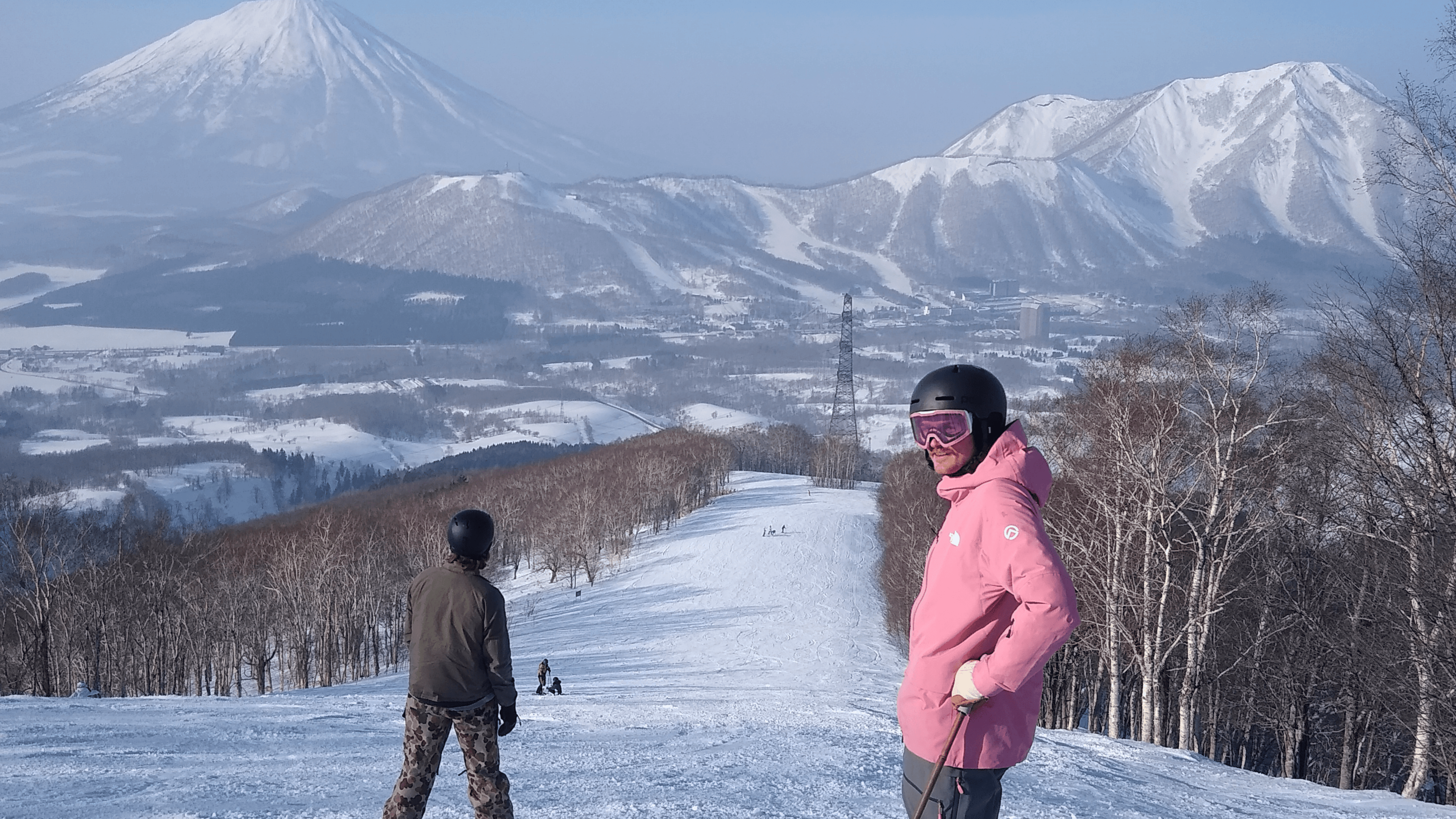
Hokkaido Combination: Niseko and Rusutsu sit just 30 minutes apart, making them natural partners for a trip experiencing both lively international atmosphere and quieter, efficient skiing. Add Furano for central Hokkaido's spectacular scenery and views.
Nagano Combination: Spend time in Hakuba Valley for terrain variety and nightlife, then contrast with Nozawa Onsen's traditional village culture. Shiga Kogen adds vast interconnected terrain for families or those seeking extensive exploration.
Mixed Region: Combine Nagano's easy Tokyo access with Hokkaido's superior powder. Fly into Tokyo, spend days in Hakuba, then travel to Hokkaido via domestic flight or overnight train for Niseko or Rusutsu.
Cultural Extension: Add days in Tokyo, Kyoto, or Sapporo before or after skiing. Combine Nozawa Onsen or Shiga Kogen with visits to the Snow Monkey Park. Extend Hokkaido trips to explore Otaru's canal district or Sapporo's urban attractions.
Select your resort based on priorities rather than attempting to ski everywhere. Japan offers too much to experience in one trip—focus on what matters most to you.
Choose Hokkaido for the finest powder, widest international services, and longest travel from Tokyo. Choose Nagano for easier access, Olympic history, traditional village culture, and combining skiing with broader Japan tourism. Choose Tohoku for authentic experiences, fewer crowds, and the adventurous spirit of exploring Japan's least international ski region.
Whatever you choose, Japan's skiing delivers experiences unmatched elsewhere: exceptional powder, genuine hospitality, therapeutic hot springs, and cultural richness that transforms a ski trip into comprehensive immersion in one of the world's most fascinating countries.
Ready to plan your Japanese ski adventure? Explore our detailed resort guides for Niseko and Rusutsu, and prepare for powder days that will redefine your expectations of winter sports.