Travel tips
The Ultimate Guide to Niseko: Japan's World Renowned Capital of Skiing
By Jack Reid
By Jack Reid
Discover everything you need to know about skiing Niseko in our ultimate guide. From choosing between four main ski areas to finding the best powder days, onsens, and après-ski spots in Japan's premier ski destination.
Planning a ski trip to Niseko? You're about to discover why this Hokkaido resort has become the go-to destination for discerning skiers who value world-class powder, authentic Japanese culture, and service that rivals Europe's finest.
This guide covers everything you need to know: from navigating the four interconnected resorts to finding the perfect onsen after a day on the slopes. Whether you're booking your first trip or returning for another season, you'll find the insights to make the most of your time in Japan's powder capital.
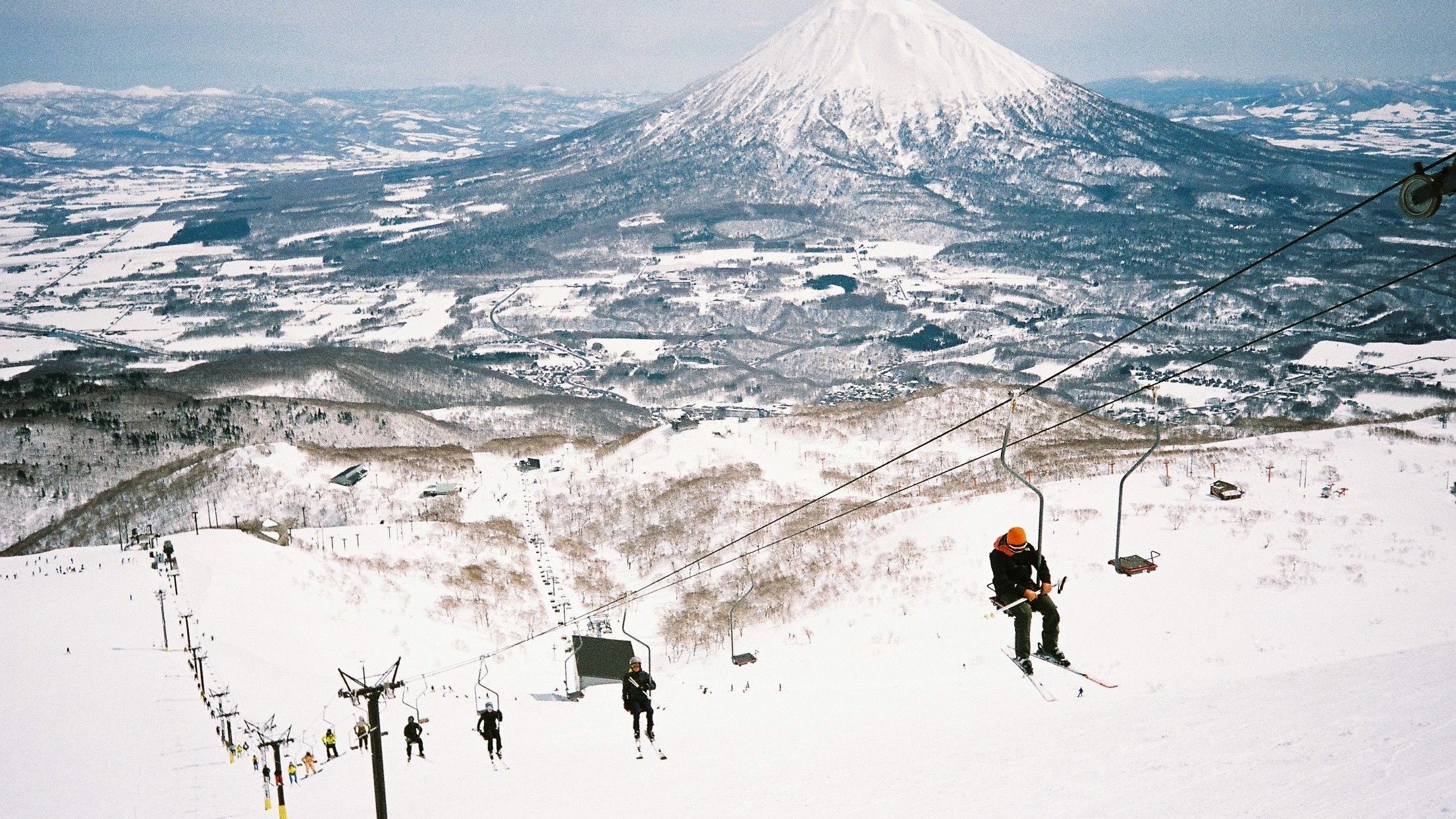
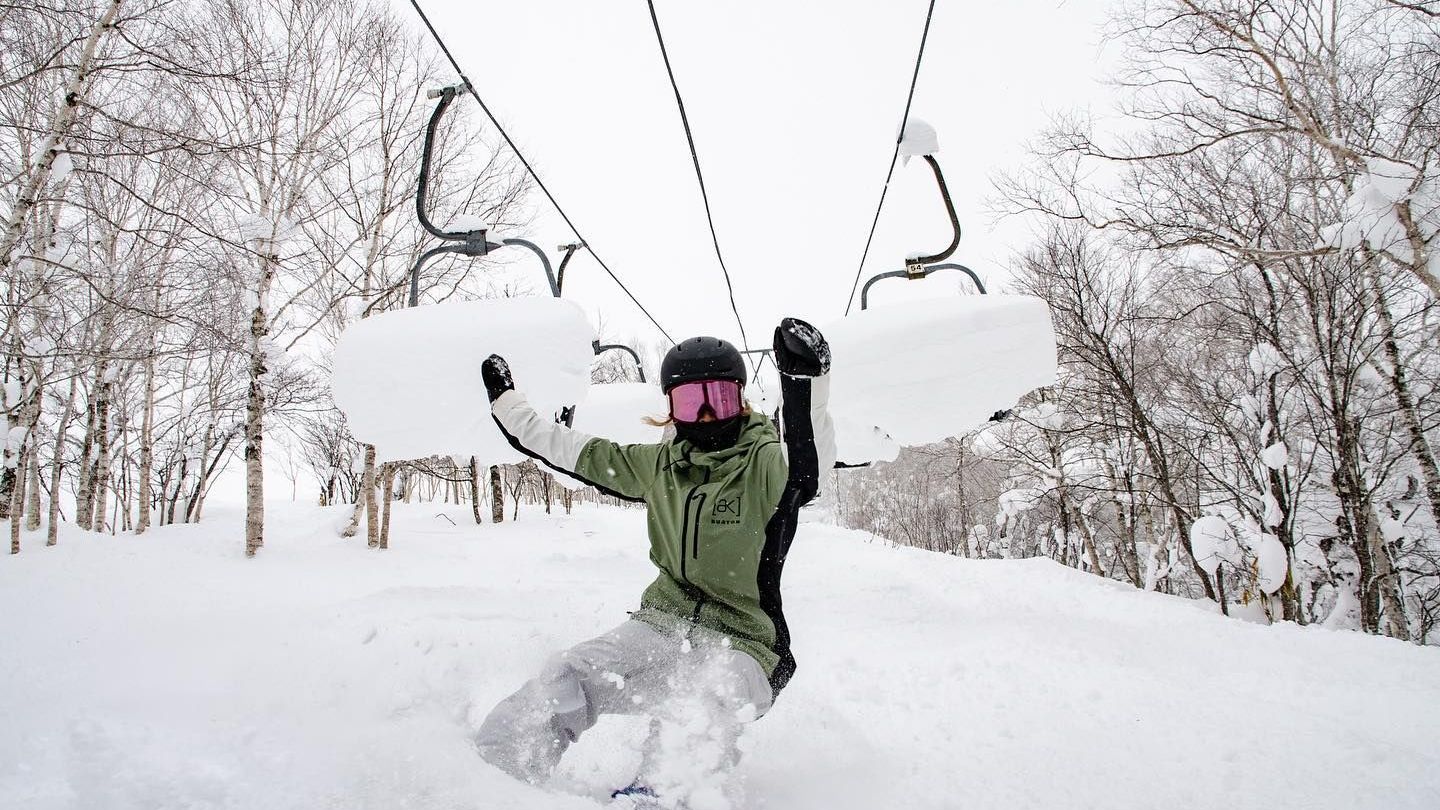
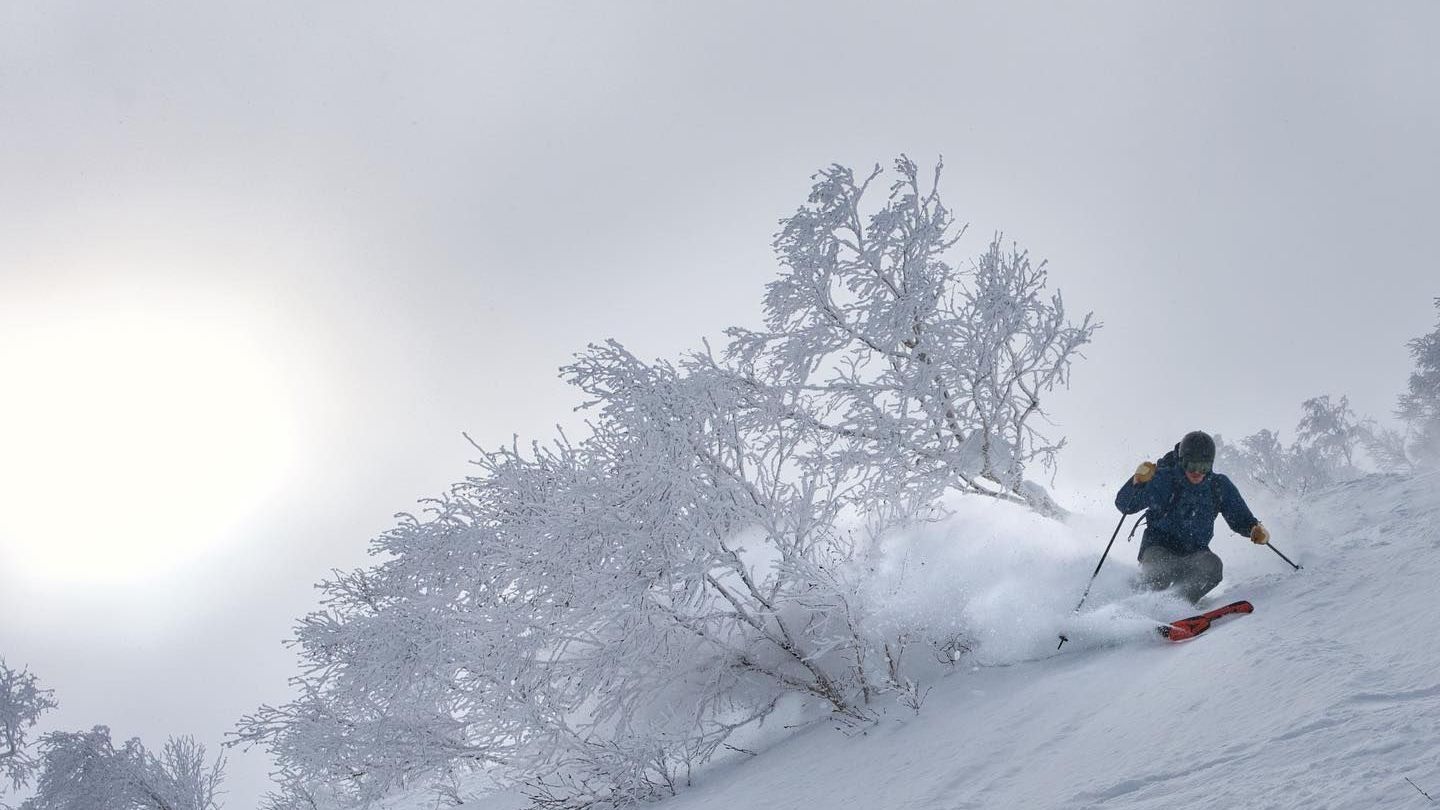
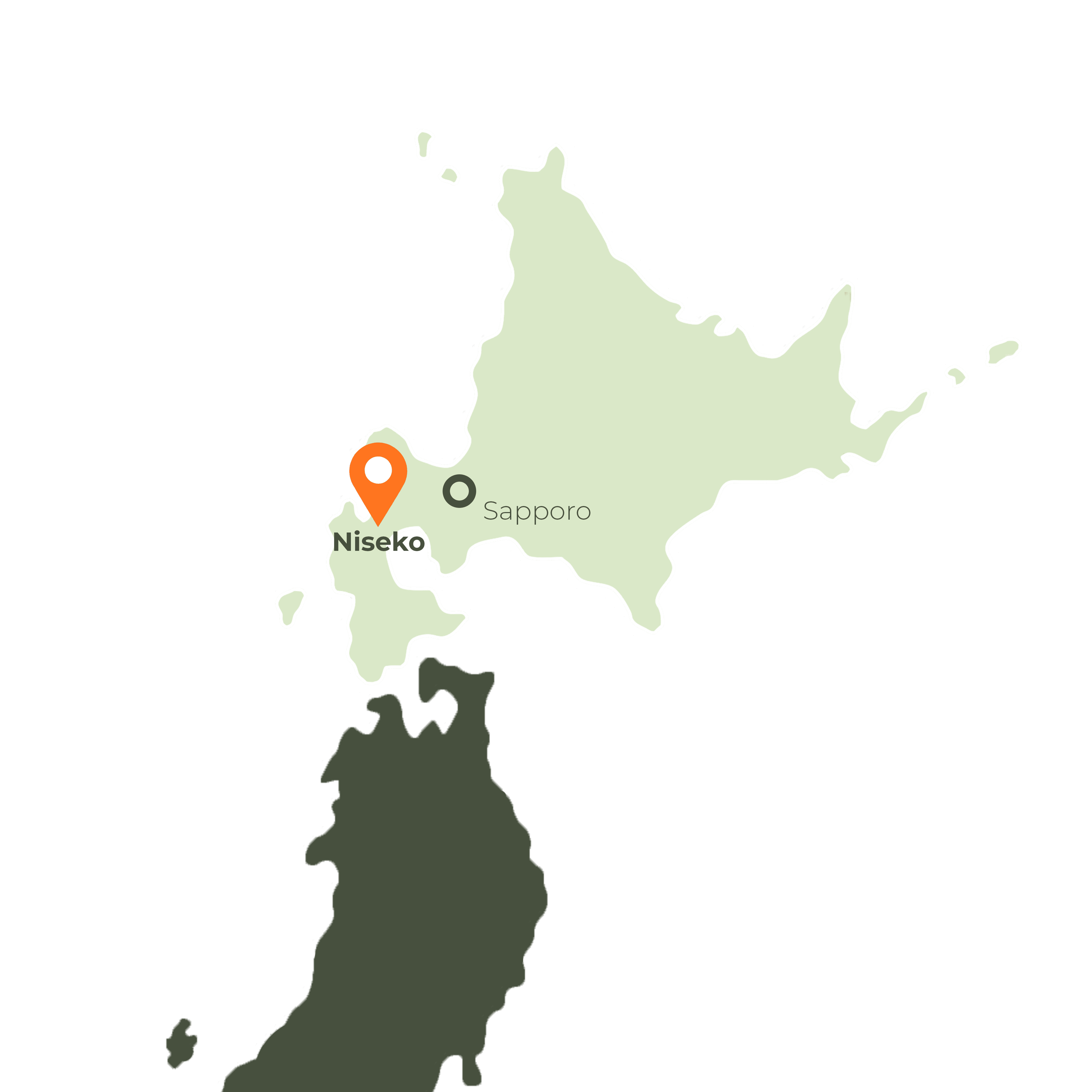
Niseko sits on Japan's northern island of Hokkaido, blessed with some of the most consistent snowfall on the planet. The legendary Siberian weather systems dump an average of 15 meters of dry, champagne powder each season—the kind of snow dreams are made of.
But Niseko isn't just about quantity. The quality of the snow, combined with varied terrain across four interconnected ski areas, creates an experience that keeps skiers coming back year after year. Add in genuine Japanese hospitality, exceptional dining, and the cultural richness of onsens and izakayas, and you've got something truly unique in the ski world.
 © Hikari Snowsports
Niseko United comprises four distinct ski areas connected at the summit: Grand Hirafu, Hanazono, Niseko Village, and Annupuri. Each has its own character and base facilities, but with an All Mountain pass, you can explore them all seamlessly.
For detailed guidance on which lift pass suits your ability and trip length, check out our complete guide to Niseko United lift tickets.
 © Jack Lacey
One of Niseko's unique offerings is night skiing—a rare feature among Japanese ski resorts that allows you to maximize your time on the mountain. Grand Hirafu operates night skiing most evenings throughout the season, with floodlit runs staying open until around 8:30 PM.
Night skiing in Niseko offers a completely different atmosphere. The crowds thin out considerably, the temperature drops, and the floodlit slopes create an almost magical ambiance as snow falls through the beams of light. It's particularly appealing if you've had a late start to the day or want to squeeze in a few more runs after a break.
The terrain open for night skiing is limited compared to daytime operations—typically focusing on intermediate runs—but it's well-maintained and the snow quality often improves as temperatures drop through the evening. Night skiing is included with your regular lift pass, making it excellent value for those who want to extend their ski day.
For families, night skiing can be a highlight. Children often find the novelty exciting, and the quieter slopes provide a less intimidating environment for practicing new skills. Just remember that temperatures can plummet after dark, so dress warmly and take breaks to warm up in the base lodge.
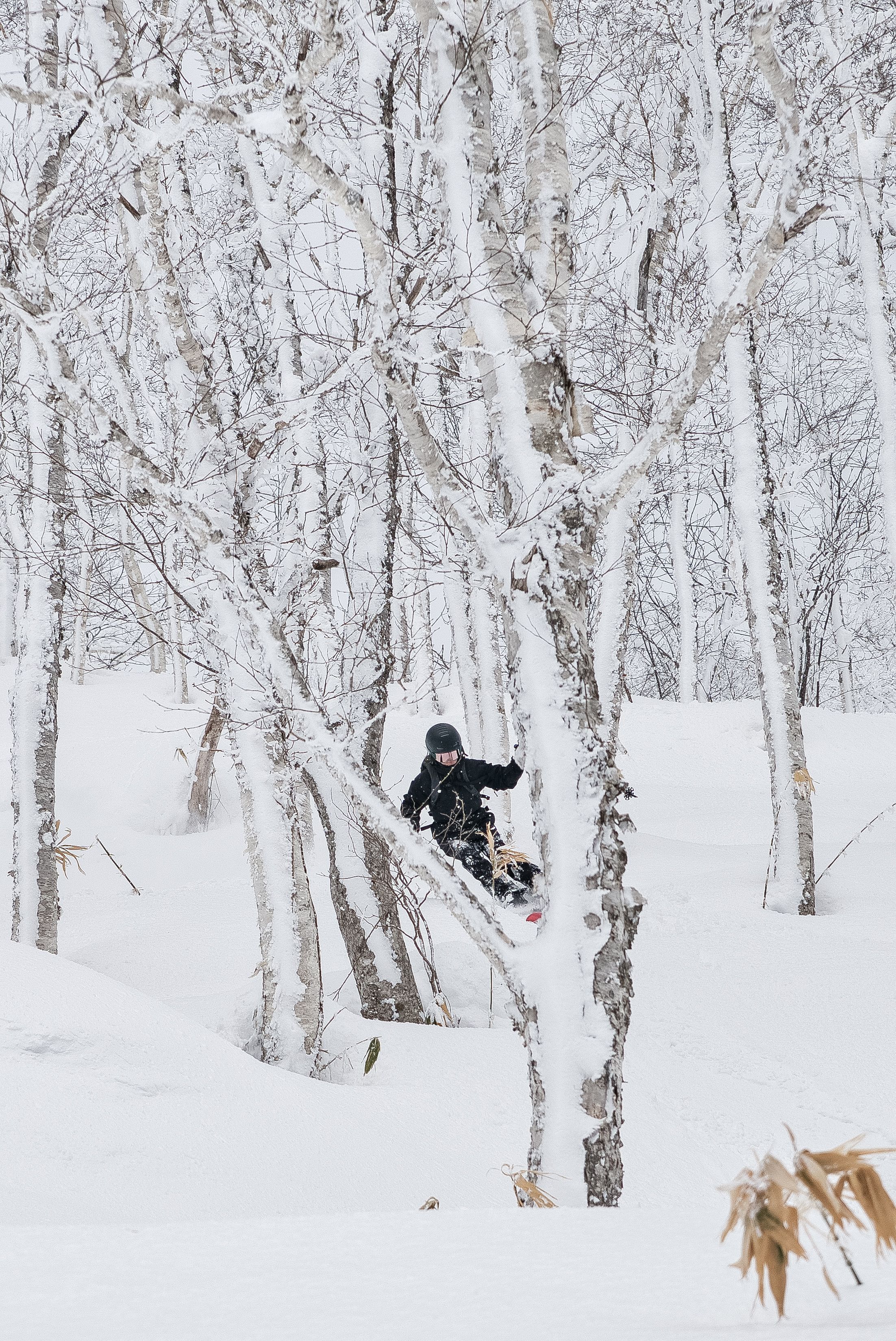

The Niseko season typically runs from early December through early April, but timing your visit right can make all the difference to your experience.
For the deepest, most consistent powder, January and February are unbeatable. This is when Niseko receives its heaviest snowfall, with regular storms rolling in from Siberia. Expect cooler temperatures, shorter daylight hours, and the legendary Japow at its finest.
The downside? Peak season means peak crowds and peak prices. Accommodation books out months in advance, and popular restaurants require reservations. But if powder is your priority, this is when to come.
December offers a compelling alternative. Snow coverage is usually excellent by mid-month, but crowds are lighter before the Christmas rush. You'll find better availability and more reasonable rates.
March brings longer days, warmer temperatures, and increasingly sunny weather. While the powder dumps become less frequent, the snow quality remains good, especially in shaded areas and at altitude. For beginners, March is often ideal—the gentler conditions and improved visibility make learning easier, and the more relaxed atmosphere is less intimidating.
Advanced skiers targeting specific powder days should monitor weather forecasts and remain flexible with travel dates. The payoff for timing a storm cycle perfectly is extraordinary.

Niseko is remarkably accessible for an international ski destination, though your journey will depend on your priorities around cost, convenience, and comfort.
Most international visitors fly into New Chitose Airport in Sapporo, which receives direct flights from major Asian hubs and connecting flights from Europe and North America. From the airport, Niseko is approximately two hours away.
Private Transfer is the most convenient option for groups or families. Door-to-door service means no waiting around, and you can request stops at supermarkets to stock up on supplies. Costs vary but typically range from ¥25,000-35,000 per vehicle.
Coach Services offer scheduled departures from the airport and are the most economical choice for solo travelers or couples. Companies like Hokkaido Resort Liner and Whiteliner run regular services throughout the season. Book in advance during peak periods.
Train and Bus Combination provides a scenic alternative. Take the JR train from the airport to Kutchan or Niseko stations, then catch a local bus or arrange a hotel shuttle to your accommodation. This route takes longer but offers excellent views of the sea on the line from Sapporo to Otaru and a magical glimpse of rural Hokkaido on the line from Otaru to Kutchan.
Car Rental gives you maximum flexibility to explore beyond Niseko, but winter driving in Hokkaido requires confidence with snow conditions and snow tires are a must. Roads are well-maintained, but snowfall can be heavy. If you're comfortable with winter driving and want to visit places like Rusutsu or explore Hokkaido more broadly, renting a car makes sense.
Accommodation in Niseko ranges from traditional Japanese ryokans to ultra-luxury chalets with private chefs. Location matters significantly, so consider your priorities carefully.
Hirafu offers the widest range of accommodation and the liveliest atmosphere. Staying here puts you within walking distance of dozens of restaurants, bars, and shops. The convenience is unbeatable if you value variety and nightlife.
Luxury options include privately managed chalets with concierge services, perfect for groups seeking privacy and personalized service. Mid-range hotels like Kasara and Alpen Ridge offer excellent value with convenient locations. Budget-conscious travelers can find comfortable guesthouses and apartments, though booking early is essential.
The Park Hyatt Niseko Hanazono represents the pinnacle of ski-in luxury in Japan. If seamless service, Michelin-quality dining, and contemporary design appeal to you, this is where to base yourself. The resort also has apartment-style accommodations through Hanazono Residences.
The Hilton Niseko Village and Green Leaf Hotel provide true ski-in/ski-out access in a quieter setting. Families appreciate the easier logistics and less overwhelming atmosphere. The resort also offers apartment accommodations for longer stays.
Staying near Annupuri means sacrificing some nightlife convenience for a more authentic, peaceful experience. This area suit those who prefer quiet evenings and aren't bothered by occasional taxi rides to Hirafu for dinner.
For a completely different experience, consider staying in Kutchan town, a short bus ride from the resorts. You'll find cheaper accommodation and authentic local restaurants frequented by Japanese families rather than international visitors. It's less convenient but offers genuine cultural immersion.
Niseko's dining scene rivals many European ski resorts, with everything from humble ramen shops to restaurants that could hold their own in Tokyo.


Lunch doesn't mean compromising on quality in Niseko. Each resort offers ski-in options ranging from quick bites to sit-down meals. At Hanazono, Olivo serves handmade pasta worth booking ahead for. In Hirafu, The Maples delivers authentic pizzas. Niseko Village's Gogyo Ramen provides the ultimate comfort food.
For the full rundown of where to lunch without removing your boots, see our guide to the best ski-in lunch spots.
Hirafu village is where most evening dining happens. You'll find everything from casual izakayas serving yakitori and sake to high-end establishments offering kaiseki and teppanyaki. Booking ahead is essential during peak season—popular spots fill up weeks in advance.
Don't overlook Kutchan town for a more local experience. The restaurants here serve the same quality food at lower prices, with menus often in Japanese only—a small adventure that rewards the effort.
Niseko has embraced specialty coffee in a big way. Whether you need a morning caffeine hit before first lift or an afternoon pick-me-up, you'll find excellent options. For our recommendations on the best coffee spots, check out our detailed Niseko coffee guide.
After a day of skiing, nothing beats soaking in a natural hot spring while snow falls around you. Onsen culture is deeply ingrained in Japanese life, and Niseko offers some exceptional options.

Niseko Town Onsen
This public bathhouse provides an authentic local experience at an incredibly reasonable price. The indoor and outdoor baths offer views of the surrounding mountains, and the whole experience feels refreshingly unpretentious. The small shop inside sells quirky handmade items including the famous crochet onsen hats.
Resort Onsens
Most major hotels have their own onsen facilities, often available to non-guests for a fee. The Park Hyatt's onsen combines luxury with tradition, while the Green Leaf in Niseko Village offers expansive bathing areas with mountain views.
Day Trip Onsens
Several standalone onsen facilities within a short drive of Niseko are worth the journey. These tend to be quieter and more traditional, offering a deeper immersion into onsen culture.
When the lifts close, Hirafu village comes alive with one of Asia's most vibrant après-ski scenes. The atmosphere is international, lively, and surprisingly diverse for a relatively small ski town.
Bar Gyu+ remains the most famous spot—literally hidden behind a refrigerator door. The tiny space, serious cocktails, and speakeasy vibe make it worth the inevitable queue. Arrive early or be prepared to wait in the snow.
Niseko Confidential brings Tokyo-level sophistication to the mountains, perfect for those who want craft cocktails in a more refined setting. Music Bar Mina Mina offers live music in an intimate atmosphere, while Tamashii transitions from dinner spot to dance floor as the night progresses.
For those who want to let loose completely, Freddies delivers a packed dance floor and rowdy energy until late. It's where Niseko's party crowd congregates, and the Aussie-run club knows how to keep things going.
Or, if you fancy a night-in, you can order a bottle of exceptional plonk directly to your accommodation through our friends at wine solution.
For the complete rundown of where to drink, dance, and unwind after skiing, see our full Niseko nightlife guide.

Whether you're a first-timer finding your feet or an advanced skier looking to unlock Niseko's best terrain, hiring an instructor transforms your experience. The investment pays dividends in confidence, safety, and discovering runs you'd never find on your own.

Niseko's terrain is confusing, the ski area developed as several different resorts created their own lift infrastructure up the mountain. The result, a confusing network of lifts that follow no master plan and a set of ski areas that can be quickly cut-off from each other in high winds. Local instructors know how to quickly navigate the resort and where to find untracked snow days after a storm, which tree runs are safe, and how to read Niseko's unique conditions.
For beginners, proper instruction from day one prevents bad habits and accelerates progress. The difference between struggling through your first week and actually enjoying it often comes down to those initial lessons. Niseko's powder, while legendary, can be challenging for those used to groomed European pistes—an instructor helps you adapt your technique quickly.
Intermediate skiers benefit enormously from guidance on powder technique and terrain selection. Advanced skiers gain access to an instructor's intimate knowledge of the mountain, including the best sidecountry options and how to stay safe in Niseko's variable conditions.
Don't leave instructor bookings until you arrive. During peak season, the best instructors and preferred time slots fill up months ahead. Popular lesson times—particularly first thing in the morning when snow conditions are finest—disappear quickly.
Booking early also gives you flexibility in scheduling. Want a full-day private lesson? Need someone who speaks your language? Prefer morning sessions before the slopes get tracked? These options become limited or impossible if you wait until the last minute.
Group lessons offer value and social interaction, while private instruction provides personalized attention and faster progression. Multi-day packages allow your instructor to build on previous sessions, accelerating your improvement.
Consider your goals before booking. If you want to explore the entire Niseko United area, mention this—your instructor can structure lessons across different resorts. If backcountry is on your agenda, ensure you book with someone qualified for off-piste guiding.
For advanced skiers with proper equipment and avalanche training, Niseko's backcountry offers some of Japan's most rewarding terrain. The area is famous for its accessible sidecountry and backcountry options, but the risks are real.
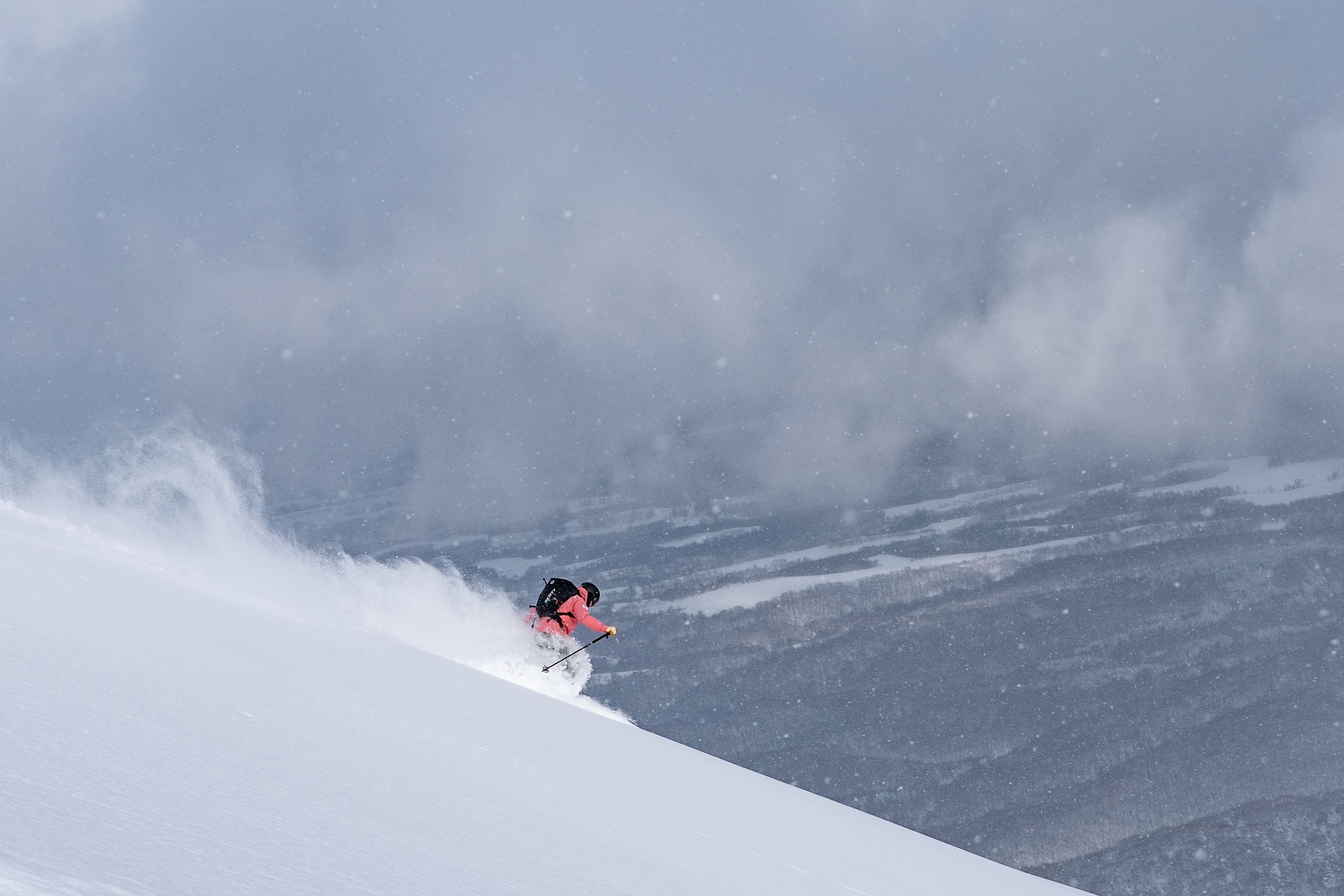
If you're new to backcountry skiing, hiring a certified guide is non-negotiable. Local guides know the terrain intimately, understand the unique snowpack characteristics of the area, and can provide the equipment and knowledge necessary for safe travel.
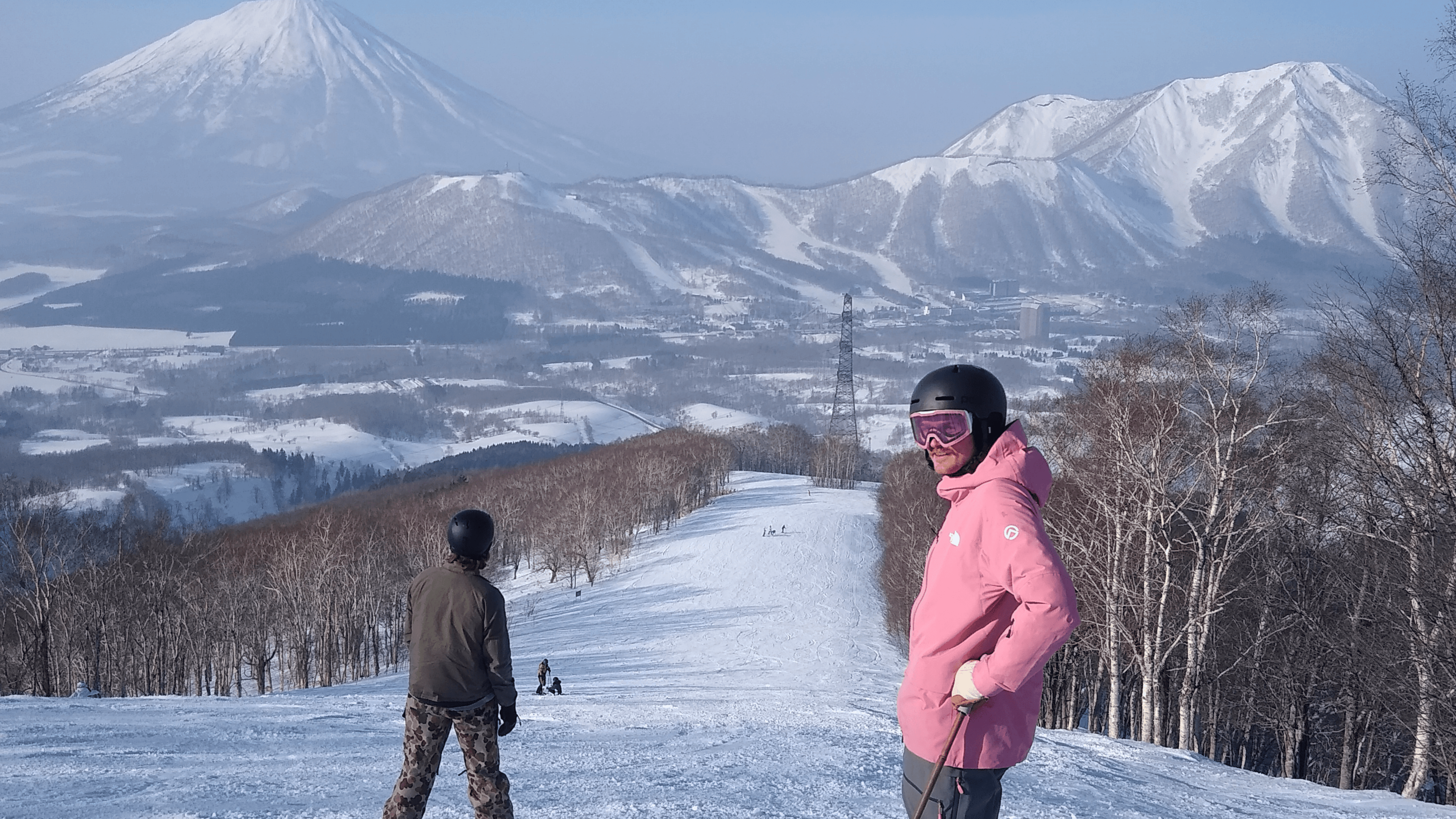
Popular backcountry areas include Mount Yotei (Hokkaido's Mount Fuji), which requires a full day and good fitness. Closer to the resorts, various sidecountry zones offer easier access but still demand proper safety equipment including transceiver, probe, and shovel.
While Niseko offers enough terrain to keep most skiers busy for a week, there is a plenty to see n the surrounding area away from the ski town. Therefore, adding a day trip from Niseko to your ski trip can be a great to see more of the surrounding area.
For those who can't get enough of the snow, about 30-40 minutes away by car, Rusutsu offers a completely different skiing experience to Niseko. The resort is huge, modern, and often quieter than Niseko. The terrain is more sculpted and groomed, with excellent tree skiing when conditions are right. It's worth a day visit, particularly if you're staying in Niseko for an extended period. A local instructor or guide can be a great addition to a day tip to help you get the most of the new terrain. For more information, read our guide to skiing in Rusutsu.

Kiroro, Kokusai, Teine and other resorts are within driving distance and worth considering if you have a rental car and want to explore more of Hokkaido's ski offerings.
An hour's drive from Niseko, the historic port town of Otaru makes for a delightful cultural excursion. This charming coastal town is famous for its beautifully preserved canal district, lined with Victorian-era warehouses converted into galleries, cafés, and shops.
Otaru's glassblowing heritage is world-renowned, and you'll find exquisite handcrafted glassware throughout the town—from delicate ornaments to stunning chandeliers. The Kitaichi Glass shops are particularly worth visiting. For food lovers, Otaru is celebrated for its incredibly fresh sushi, thanks to its fishing port location. The sushi restaurants here rival Tokyo's finest at a fraction of the price.
In winter, the canal area is illuminated in the evenings, creating a romantic atmosphere that's particularly magical when snow is falling. The town also boasts excellent sake breweries and the Nikka Whisky distillery nearby for those interested in Japanese spirits.
Otaru provides the perfect counterbalance to Niseko's mountain focus—a taste of Hokkaido's maritime history and urban culture without the overwhelming scale of Sapporo. It's an easy day trip that adds cultural depth to your ski holiday.
Hokkaido's capital is about 90 minutes away and offers a complete change of pace. The beer museum, snow festival (if your dates align), and urban dining scene provide a cultural counterpoint to resort life.
Bringing home a piece of Niseko adds a final touch to your trip.


Icor curates beautiful local products including skincare, specialty foods, and sake. Yuki Market in Hirafu showcases handmade jewelry and art from local creators. For quirky finds, the 100 yen shop offers affordable treasures, while Milk Kobo and its neighboring shops provide delicious edible souvenirs alongside handcrafted gifts.
For detailed recommendations on where to find the perfect keepsake, see our complete souvenir shopping guide.
Niseko rewards thoughtful planning. Book accommodation and popular restaurants well in advance, particularly for January and February visits. Before arrival, consider purchasing your lift tickets online to save time and booking restaurants to guarantee availability.
Don't try to do everything in one trip. Niseko is a destination worth returning to, and each visit reveals new facets of this remarkable place. Focus on a few priorities—whether that's maximizing powder days, exploring the dining scene, or simply unwinding in onsens after gentle cruising.
Above all, embrace the Japanese approach to skiing. It's not just about vertical meters or conquering black runs. It's about the entire experience: the quality of snow, the care put into each meal, the ritual of the onsen, and the hospitality that makes every visitor feel genuinely welcome.
Ready to experience Niseko for yourself? Start planning early, stay flexible with your itinerary, and prepare for powder days that will redefine your expectations of what skiing can be.