Travel tips
Discover Rusutsu, where the same legendary Hokkaido powder as Niseko meets quieter slopes and excellent grooming. Our ultimate guide covers three interconnected mountains, accommodation, dining, and planning your perfect ski trip.
Planning a ski trip to Rusutsu? Rusutsu has the same legendary powder as its famous cousin Niseko - but with much more manageable crowds and terrain to suit all levels. With three interconnected mountains and efficient lift access, Rusutsu offers world-class skiing with its own distinct character and advantages.
This guide covers everything you need to know: from navigating the resort's expansive terrain to understanding why seasoned skiers increasingly choose Rusutsu over busier alternatives. Whether you're making your first trip to Hokkaido or looking for a change from Niseko, you'll find the insights to make the most of your time at this remarkable resort.
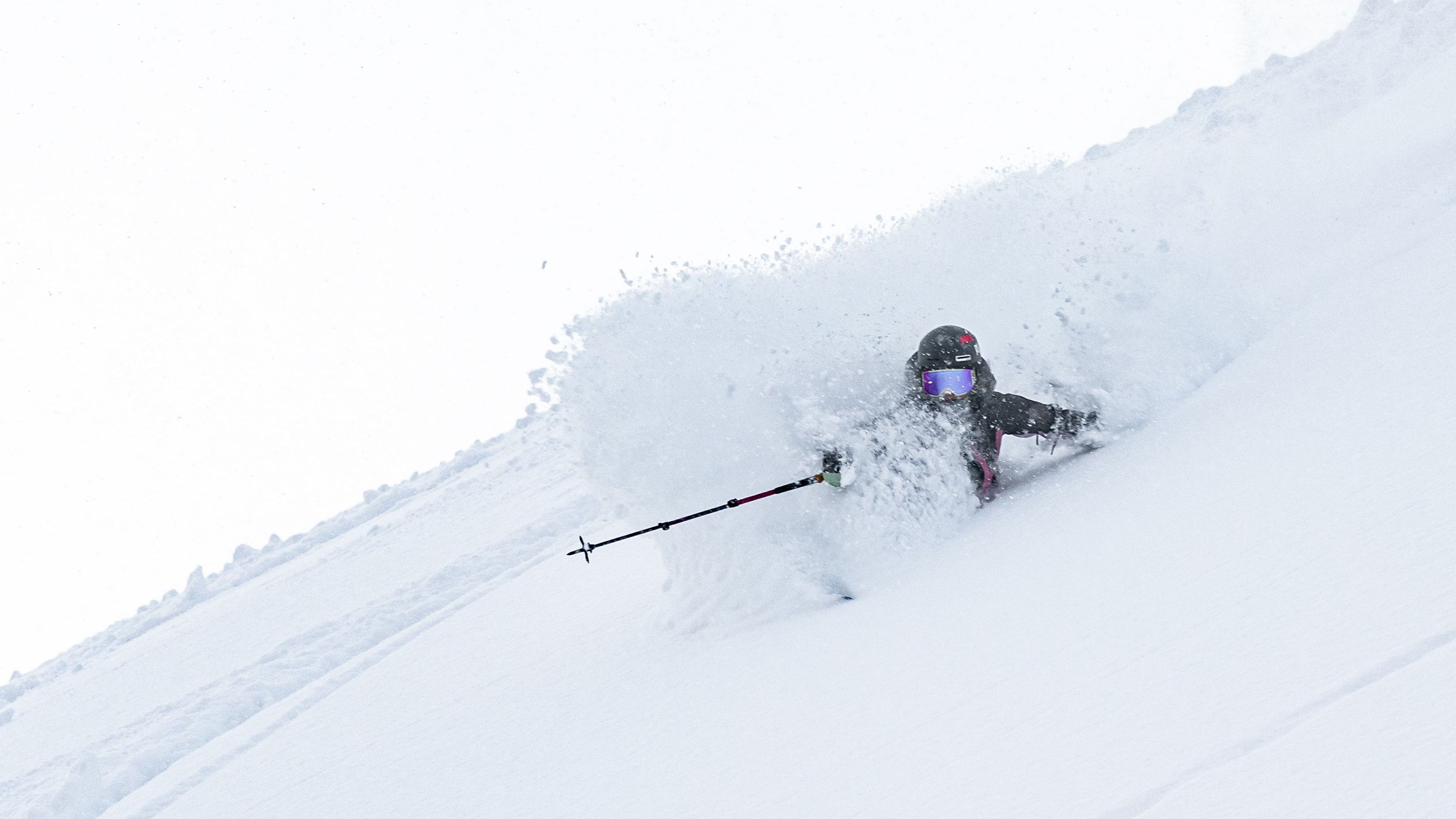
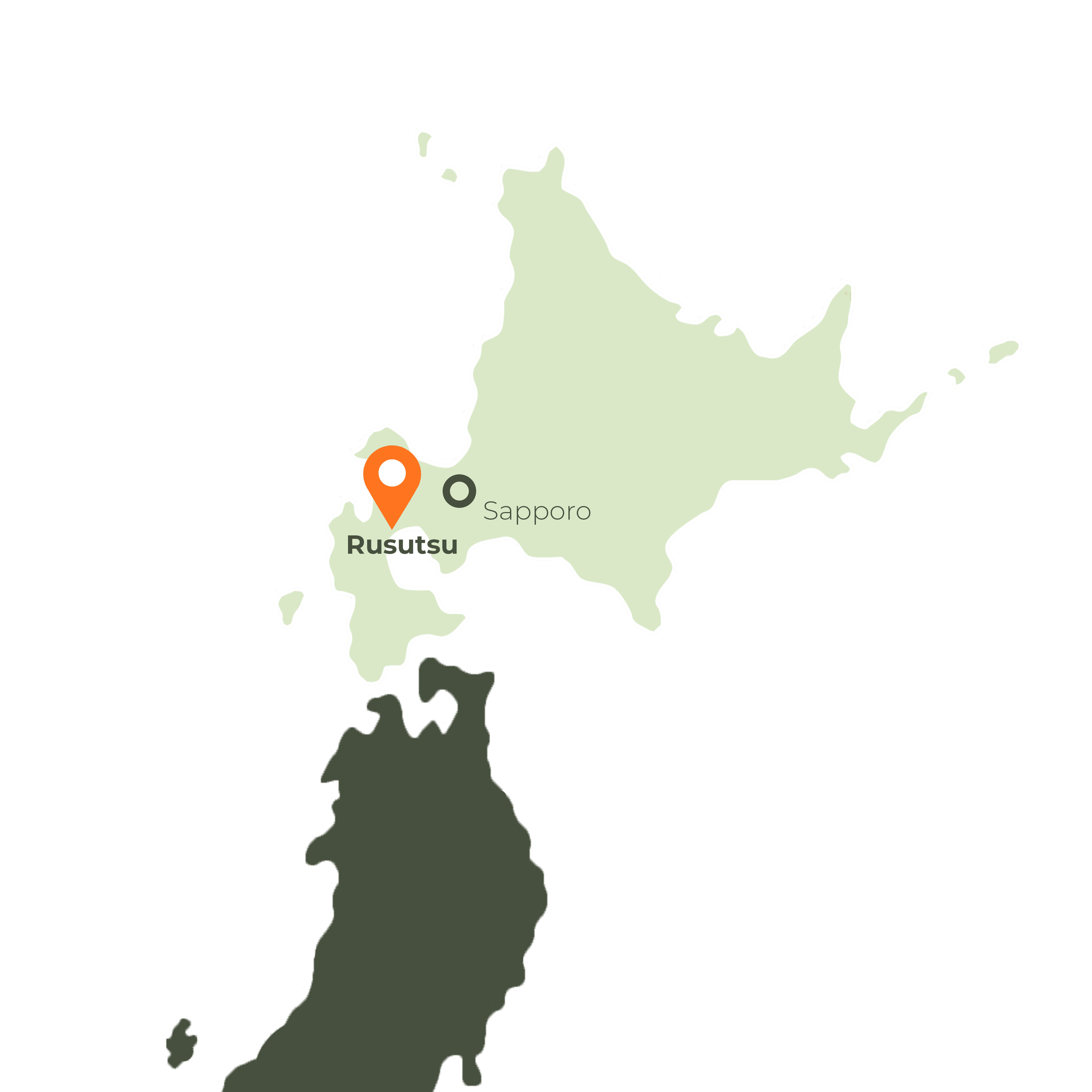
Rusutsu sits just 30 minutes from Niseko, benefiting from the same Siberian weather systems that dump an average of 14 meters of dry powder each season. The resort offers three distinct mountains—West, East, and Isola—connected seamlessly, with 42 courses spread across varied terrain.
What sets Rusutsu apart is its self-contained nature. The resort was designed as an integrated destination, with modern lift infrastructure and excellent grooming that keeps runs in prime condition throughout the day. Unlike Niseko's four separate base areas, Rusutsu's three mountains connect at a central hub, making it simple to explore the entire resort without removing your skis.
 © Hikari Snowsports
The terrain caters to all abilities, from wide groomed runs perfect for intermediates to challenging tree skiing and off-piste opportunities for advanced skiers. East Mountain offers steeper, more natural terrain, while West Mountain provides the most variety. Isola Mountain sees lighter traffic and often holds powder longer after storms.
Rusutsu appeals to skiers who value a quieter, more streamlined resort experience alongside authentic Japanese hospitality. The crowds are lighter than Niseko even during peak season, grooming is consistently excellent, and the efficient lift network means more time skiing and less time navigating between disconnected areas.
Rusutsu's three mountains connect seamlessly, allowing you to explore the entire resort without ever removing your skis.
West Mountain is where most skiers staying in resort begin their day. It's the smallest of the three peaks but offers the most varied terrain, from gentle greens to some punchy blacks. The Yotei gondola provides quick access to the top, and the extensive beginner and intermediate terrain makes it ideal for mixed-ability groups who want to try different terrain stop for lunch together.
East Mountain attracts more advanced skiers with steeper pitches and some challenging tree runs. The terrain here is more natural and less groomed, providing that backcountry feel within the resort boundaries. Many skiers use East Mountain simply as a way to get to Isola, but this area also has some cracking terrain for those willing to seek it out.
Isola Mountain is the quietest of the three and the hardest to get to, often seeing the fewest tracks even days after a storm. The runs are longer and more varied, with spectacular views across to Mount Yotei (see the top image for this article). Isola's relative isolation means you can often find fresh lines well into the afternoon—a rarity at busy resorts. If the snow hasn't fallen recently, hunt out the mogul 'zipper lines' that are often skied into the runs for a challenge that will test even the strongest skiers.
One lift ticket covers all three mountains, making exploration simple. The resort's efficient layout means you can easily ski all three peaks in a single day, following the sun or chasing the best snow conditions.
Rusutsu is slightly more accessible than Niseko for those arriving at New Chitose Airport, with the journey taking approximately 90 minutes. The route passes through scenic rural Hokkaido, offering glimpses of the region's agricultural heritage.
Most international visitors fly into New Chitose Airport in Sapporo, which receives direct flights from major Asian hubs and connecting flights from Europe and North America. Rusutsu's proximity to the airport makes it an attractive option for short trips or first-time Hokkaido visitors.

Private Transfer remains the most convenient option, particularly for groups or families with ski equipment. Door-to-door service typically costs ¥30,000-40,000 per vehicle and allows flexibility for stops along the way.
Coach Services operate regular scheduled transfers from the airport directly to Rusutsu Resort. These are economical and reliable, though booking in advance is recommended during peak periods.
Car Rental gives you flexibility to explore multiple resorts in the region. The drive is straightforward, though winter driving skills are essential. Snow tires are mandatory in Hokkaido during winter—check that these are included in your rental price, as some companies charge extra. Having a car opens up day trip possibilities throughout the area.
Train and Bus Combination, while possible, this is less practical for Rusutsu, as the resort is more isolated. Most visitors opt for direct transfer options.
Accommodation options in Rusutsu are centered around ski-in/ski-out convenience. The resort's integrated nature means wherever you stay, you'll be close to the lifts.
The main resort hotel is a massive, self-contained complex offering everything from budget rooms to luxury suites. True ski-in/ski-out access means you can be on the slopes within minutes of leaving your room. The hotel includes multiple restaurants, indoor pool, arcade, and extensive facilities for families.
Connected to the main hotel but offering a slightly more upscale experience, Westin Rusutsu (previously called Rusutsu Tower) provides larger rooms with better views. The location is equally convenient for skiing, and guests have access to all resort facilities.
For those seeking more spacious accommodation, Vale Rusutsu offers apartment-style lodging with kitchens and separate living areas. It's ideal for longer stays or families who prefer to prepare some of their own meals. The location is still ski-in/ski-out, maintaining the convenience that makes Rusutsu attractive.
Some visitors choose to stay in Niseko and make day trips to Rusutsu, particularly if they want more diverse dining and nightlife options. The 30-40 minute drive is straightforward with a rental car, and several transfer services operate between the resorts. However, this approach sacrifices the convenience of waking up on the mountain and requires transportation planning.
Rusutsu's dining scene is self-contained, with most options located within the resort complex. While you won't find the same variety as larger ski villages, the quality is consistently good and the convenience is unbeatable.
 © Jack Reid
 © Jack Reid
You'll find plenty of traditional Japanese dishes - such as sushi, tempura and ramen (these particular examples are similar to what you can expect to find in Rusutsu)
Each mountain has its own dining facilities, allowing you to stay on the slopes throughout the day. West Mountain's main cafeteria serves everything from Japanese curry to Western favorites, while East Mountain's smaller facilities offer quick refueling options. The restaurants are clean, efficient, and reasonably priced.
Rusutsu's on-mountain options are more functional than gourmet. However, the food is always hot, portions are generous, and you'll spend minimal time queuing—a trade-off many skiers happily accept.
The resort hotel contains numerous restaurants covering Japanese, Chinese, Western, and buffet options. Standouts include the teppanyaki restaurant for special occasions and the ramen shop for authentic, comforting bowls. Reservations are recommended for the upscale restaurants, particularly on weekends and holidays.
For a more local experience, the small actual town of Rusutsu (a short drive from the Rusutsu Resort) has a handful of authentic Japanese restaurants frequented by locals rather than tourists. These require more effort to reach but offer genuine cultural immersion.
After a day of skiing, Rusutsu offers several onsen options that provide the perfect way to soothe tired muscles and experience authentic Japanese bathing culture.
The main resort hotel includes large onsen facilities with both indoor and outdoor baths. The outdoor rotenburo offers views of the surrounding mountains and is particularly magical when snow is falling. These onsens are included with your hotel stay and are open to day visitors for a fee.
For a more extensive wellness experience, the resort's dedicated onsen and health club provides additional bathing options, saunas, and relaxation areas. It's less traditional than smaller onsens but offers excellent facilities and space.
Several traditional onsens within a 20-minute drive offer more authentic experiences. These smaller, family-run establishments provide deeper immersion into onsen culture, though you'll need a car or taxi to reach them.
Rusutsu's après-ski scene is low-key and family-friendly. If you're looking for lively bars, live music, and dancing until dawn, you'll find limited options. If you value a quiet evening with friends over dinner and drinks before a good night's sleep ahead of another powder day, Rusutsu delivers perfectly.
The resort hotel contains several bars serving cocktails, beer, and Japanese whisky. The atmosphere is relaxed rather than raucous, making it ideal for families and those who prefer conversation over club music. The arcade and entertainment facilities provide alternatives for those seeking evening activities beyond drinking.
For visitors who want more vibrant nightlife, the solution is a trip to nearby Niseko (30-40 minutes by car or arranged transfer) or accepting that Rusutsu prioritizes on-mountain experience over après-ski party culture. Many skiers find this trade-off worthwhile—less nightlife means more energy for first tracks the following morning.

Whether you're new to skiing or want to unlock Rusutsu's best terrain, hiring an instructor enhances your experience significantly. The investment pays dividends in confidence, safety, and discovering runs you might otherwise miss.
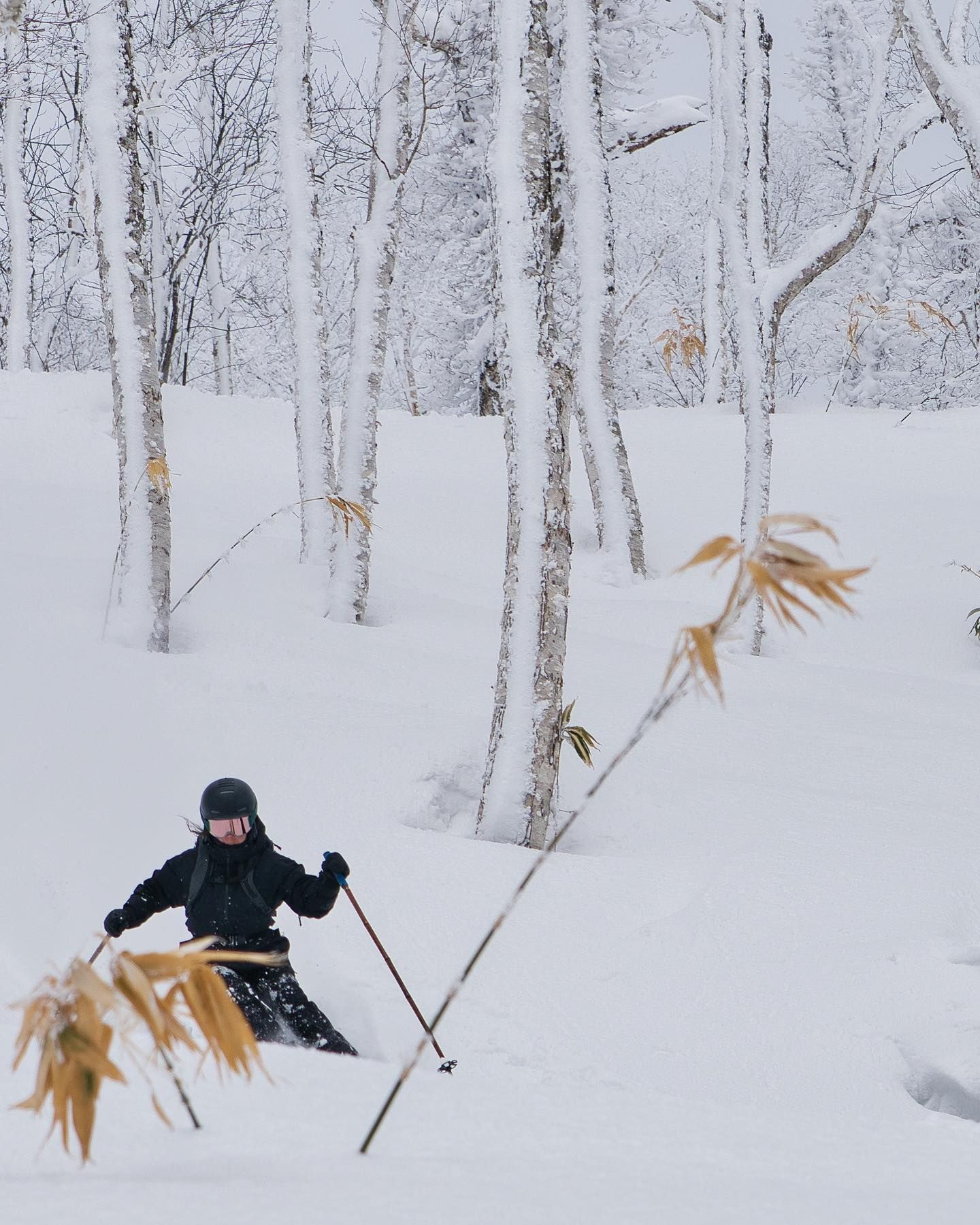
Rusutsu's three interconnected mountains are well-designed, but local instructors still provide immense value. They know the most efficient routes between mountains, where to find the best snow days after a storm, which runs suit your ability level, and how to maximize your time when weather affects lift operations.
For beginners, proper instruction accelerates progress and builds confidence. Rusutsu's excellent grooming and varied terrain make it ideal for learning, and an instructor ensures you develop proper technique from day one. The resort's uncrowded nature means more space to practice without feeling intimidated (especially when compared to Niseko).
Intermediate skiers benefit from guidance on powder technique and exploring the resort's more challenging terrain. Advanced skiers gain access to an instructor's knowledge of the best tree runs, off-piste zones within the resort boundary, and conditions on different mountains throughout the day.
The best instructors book up during peak season. Securing your preferred times—particularly mornings when snow conditions are finest—requires advance planning.
Booking early also ensures you get an instructor who speaks your language fluently. English-speaking instruction is available, making advance booking important for international visitors.
Group lessons offer value and work well for families or friends of similar ability. Private instruction provides personalized attention and faster progression. Multi-day packages allow your instructor to build on previous sessions.
If you want to explore multiple resorts during your trip, mention this when booking. Experienced instructors can guide you at different locations, helping you maximize your time on the slopes.
 © Jack Reid
Rusutsu's location provides access to some excellent backcountry terrain. For advanced skiers with proper equipment and avalanche training, the area offers rewarding possibilities.
If you're new to backcountry skiing, hiring a certified guide is non-negotiable. Local guides understand the terrain intimately, recognize the unique snowpack characteristics, and provide the equipment and knowledge necessary for safe travel.
Popular backcountry areas include routes on Mount Yotei and Shiribetsu-dake, both very easily accessible from Rusutsu, though these require full-day commitments and strong fitness. Closer options within the resort boundaries offer safer alternatives while still providing that backcountry experience.
Rusutsu's location makes it an excellent base for exploring Hokkaido's ski areas and cultural attractions.
A 90 minute drive from Rusutsu, the historic port town of Otaru makes for a delightful cultural excursion. This charming coastal town is famous for its beautifully preserved canal district, lined with Victorian-era warehouses converted into galleries, cafés, and shops.
Otaru's glassblowing heritage is world-renowned, with exquisite handcrafted glassware throughout the town—from delicate ornaments to stunning chandeliers. The Kitaichi Glass shops are particularly worth visiting. For food lovers, Otaru is celebrated for its incredibly fresh sushi, thanks to its fishing port location. The sushi restaurants here rival Tokyo's finest at a fraction of the price.
In winter, the canal area is illuminated in the evenings, creating a romantic atmosphere that's particularly magical when snow is falling. The town also boasts excellent sake breweries and the Nikka Whisky distillery nearby for those interested in Japanese spirits.
Otaru provides the perfect counterbalance to Rusutsu's mountain focus—a taste of Hokkaido's maritime history and urban culture. It's an easy day trip that adds cultural depth to your ski holiday.
Hokkaido's capital is about 90 minutes from Rusutsu and offers a complete change of pace. The beer museum, snow festival (if your dates align), and urban dining scene provide cultural counterpoint to resort life. Sapporo makes for an excellent final night if you're flying out from New Chitose Airport.
Niseko, Kiroro, Teine and Kokusai are within driving distance and worth considering if you have a rental car and want to explore more of Hokkaido's ski offerings. Each has its own character and strengths.

Rusutsu's self-contained nature simplifies trip planning. Book accommodation in advance for peak season, while restaurant reservations within the resort are straightforward to secure. Everything you need is within the resort complex, requiring less pre-trip research.
Consider exploring multiple Hokkaido resorts for the ultimate experience. Spend several days at different locations, comparing powder, terrain, and atmosphere. Each resort offers distinct experiences—some excel at efficient, quieter skiing with excellent grooming, while others provide more terrain variety, vibrant nightlife, and diverse international dining.
Above all, embrace what makes Rusutsu special: the space, the excellent grooming, and the simple pleasure of skiing lap after lap without crowds. It's not about conquering every run or ticking boxes. It's about the quality of each turn, the consistency of the snow, and the satisfaction of a resort that delivers exceptional skiing in a more relaxed atmosphere.
Ready to experience Rusutsu for yourself? Start planning early, consider exploring other areas of Hokkaido to experience different approaches to skiing, and prepare for powder days in a tranquil setting.