Gate 9 — Waterfall: Consistent Fall-Line Tree Skiing
Gate 9 — the Waterfall gate — faces south/southeast and loads deep in the lee of the prevailing wind. Guide to terrain, the conditions that suit it, and when to avoid it.
Hanazono / Hirafu | Advanced | Short sidestep required
Gate Details
Resort: Hanazono / Hirafu
Difficulty: Advanced
Aspect: South / Southeast
Hike Required: Yes – approx. 3 mins from the top of Hanazono #2 (most skiers will not take their skis off and simply sidestep their way up)
Elevation at Gate: ~730m
Typical Vertical: 180m
Inclination: 22° to 35°
Return Route: Lower section funnels toward a creek; look out for snow bridges or stick skier's right
Primary Terrain: Fall-line tree runs with pockets of wind-deposited snow; defined by a large creek crossing
Tree Density: Moderate — well spaced
Known Hazards: Creek crossings at the base; skiers fall in every year
Gate Description
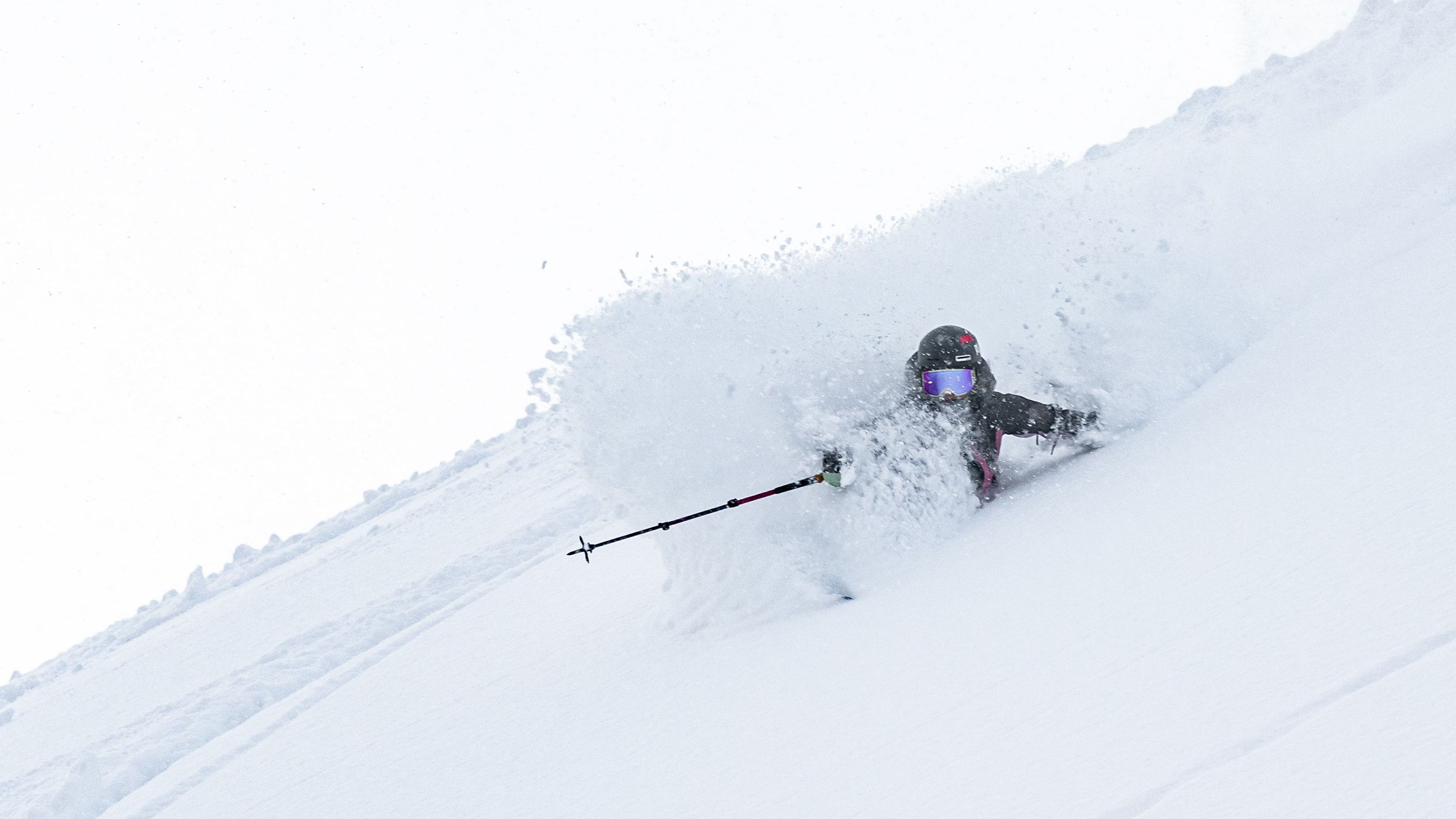
Gate 9 — the Waterfall gate — links Hanazono and Hirafu ski areas and is one of Niseko’s less-skied gems. While short, it offers one of the most fall-line consistent descents on the mountain, flowing through well-spaced trees with some of the deepest pockets of wind-deposited snow.
It is named for the waterfall that is visible from the terrain, and that creates this gate’s main hazard – a river crossing. Mid-season snow bridges are usually solid, but they thin as the snowpack warms, so plan your line carefully; skiers fall in each year.
The gate faces south to south-east and is sheltered from the prevailing north/northwest wind, so it loads deep with snow blown from more exposed slopes and often holds pockets of light snow between the trees for days after a storm. Being a southerly aspect, it is sun-sensitive: through the cold of mid-winter (December to February) that barely matters and it rides well at any hour, but from spring (March–April), or during an unusual warm spell, the sun works the slope and turns it heavy quickly.
When It Rides Best
A south/south-east gate sheltered from the prevailing wind — it loads deep, and through the cold of mid-winter it rides well at any hour.
Cold conditions after a north/northwest storm — the sheltered aspect loads deep and the wind pockets between the trees hold light snow for days
Through December to February the snow stays dry whatever the hour — no need to rush it
Most light conditions — the trees give contrast and definition, so it rides in flat light
When the summit is in cloud or wind-closed and you want reliable, no-hike terrain
When to Stay Away
The base creek crossing is the year-round catch; sun on this southerly aspect only matters once it warms up in spring.
When skiing alone — the unavoidable river hazard makes this a gate to avoid without a capable partner. If you do not have a buddy, consider hiring a guide.
Warm spells, which thin the snow bridges at the base creek crossing
Late in the season, or when warm spells cause the snow quality at this relatively low elevation to suffer.
Finding Your Way In & Out
Dropping In
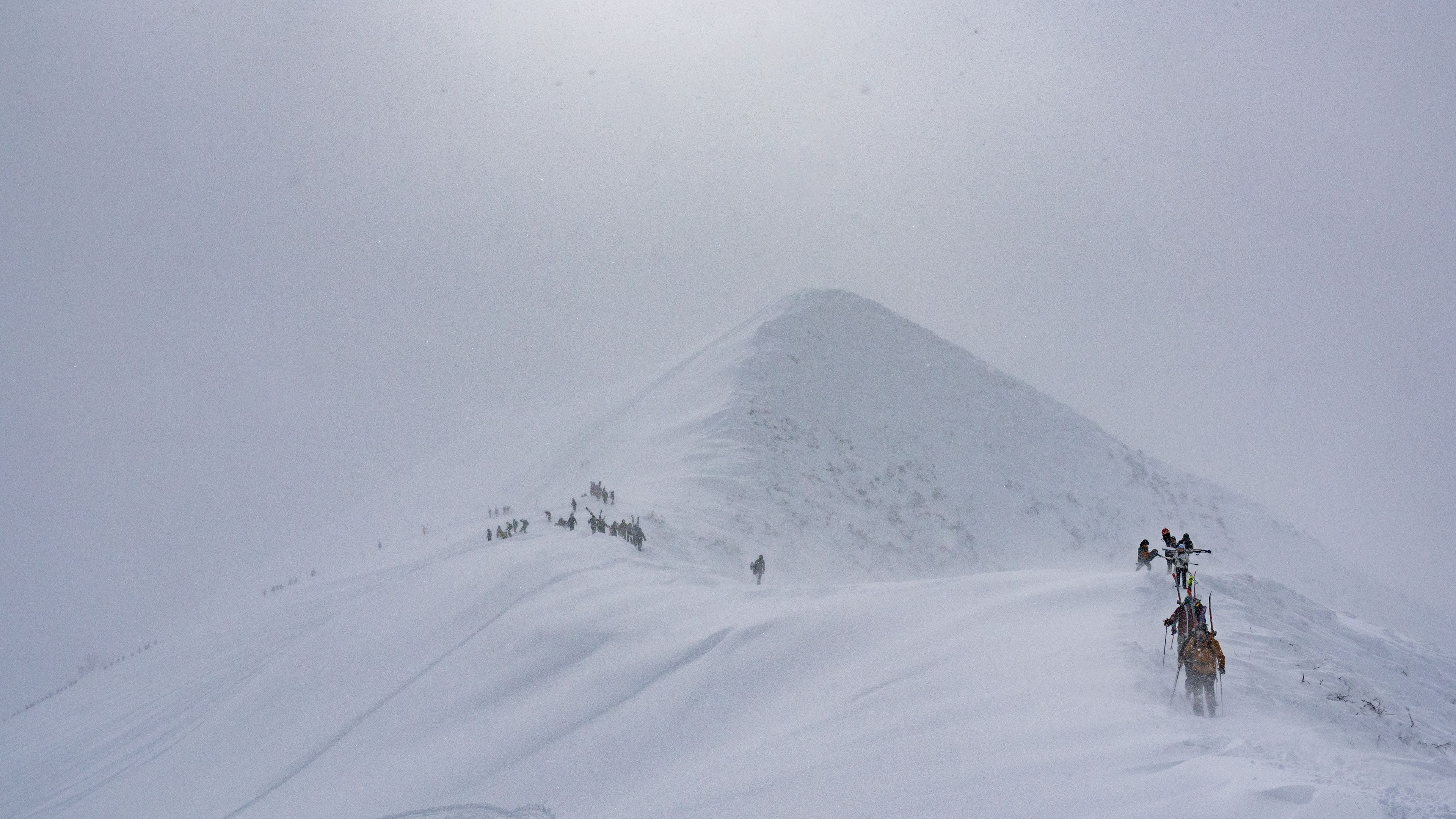
Turn left when arriving at the top of Hanazono #2 and do a very short walk to the gate. Gate 9 sits on the boundary between Hanazono and Hirafu; follow the ridge for as long as you please and drop when you see the least tracked snow for a consistent fall line ski through the trees. A very short (or no traverse) will provide the safest route back to the piste. A longer traverse will likely provide a less tracked ski, but at the expense of a more challenging creek crossing.
Getting Back
The lower section funnels toward the creek at the base. Cross the creek and exit skier's left. Maintain enough speed through the lower section to reach the Holiday piste in Hirafu.
Local Knowledge
Its awkward location, between Hanazono and Hirafu, makes the waterfall gate a surprisingly unskied slope considering how deep the powder can get when wind-loaded. It is a good option before lunch or at the end of the day.
A longer traverse will take you to an excellent section of steep, tight trees that hold powder several days after a storm.
Sticking along the ridge, and not dropping towards Hirafu at all, reveals a rarely skied ‘secret’ slope taking you back to Hanazono.
Disclaimer: This guide is advisory only and does not replace current avalanche forecasts, local knowledge or qualified instruction. Always check the NAIC bulletin before entering any gate. In the mountains, you are solely responsible for your own decisions.