Guides
Off-piste skiing explained: what it means, how it differs from backcountry and sidecountry, the gear and skills you need, avalanche safety, and how to start safely.
Off-piste skiing covers some of the most rewarding terrain in the mountains — and some of the least forgiving. The phrase simply means skiing off the marked, groomed runs, on natural snow that the resort doesn’t prepare. That definition sounds straightforward, but it carries real consequences: ungroomed terrain behaves differently, conditions change quickly, and in most cases you are responsible for your own safety the moment you leave the piste.
This guide explains what off-piste skiing actually is, how it differs from terms like backcountry and sidecountry, why it appeals to so many skiers and snowboarders, and — most importantly — how to approach it safely. We cover the equipment you need, the skills it asks of you, how avalanche awareness fits in, and when to bring a guide. Use it as a starting point, then follow the links through to our more detailed guides.
“Piste” comes from the French word for a track or trail, and it refers to the marked, maintained runs you find inside a ski resort — the slopes that are graded by colour, patrolled, and groomed flat for predictable skiing. “Off-piste” is everything else: the natural, ungroomed terrain away from those prepared runs.
Where it gets interesting is that the word means slightly different things in different parts of the world. In Europe, “off-piste” generally means anything off the marked runs. Because most European resorts patrol and avalanche-control the pistes but not the terrain around them, leaving a groomed run usually means leaving the managed environment altogether — which is part of why the term carries so much weight there.
In North America the language is looser. You’ll more often hear “off-trail” or “off the groomers,” and resorts typically include large areas of ungroomed but in-bounds terrain — tree runs, bowls and mogul fields — that are still patrolled and avalanche-controlled. There you can ski off the groomed runs and remain inside the managed area; the meaningful boundary is the marked rope or gate at the edge of the resort, not the edge of the grooming. Japan works in much the same way, resorts manage a controlled in-bounds area and govern access to the uncontrolled backcountry (often through designated gates). You can ride ungroomed in-bounds powder freely, but the moment you pass through a gate — or duck a rope — you have left the managed terrain.
That’s the key point. Off-piste isn’t really defined by powder, steepness or difficulty; what matters is whether the terrain is patrolled and avalanche-controlled. In Europe that line usually sits at the edge of the piste, while in North America and Japan it sits at the resort boundary, which can be a long way beyond the last groomed run. Snow conditions can vary enormously from one run to the next: bottomless powder one day, wind-packed crust, heavy crud, breakable slab, ice, or hidden moguls the next. Part of the appeal is exactly that variety; part of the risk is that it’s far less predictable than a pisted run.
These terms overlap and are often used loosely, which causes genuine confusion — and occasionally genuine danger. Here’s how they generally break down:
In European usage, off-piste (sometimes called freeriding) usually means skiing ungroomed natural terrain that you reach using the resort’s lifts — sometimes within the ski area, often just beyond the edge of the marked runs. It can be a few metres off the side of a piste or a long, committing line down a flank of the mountain.
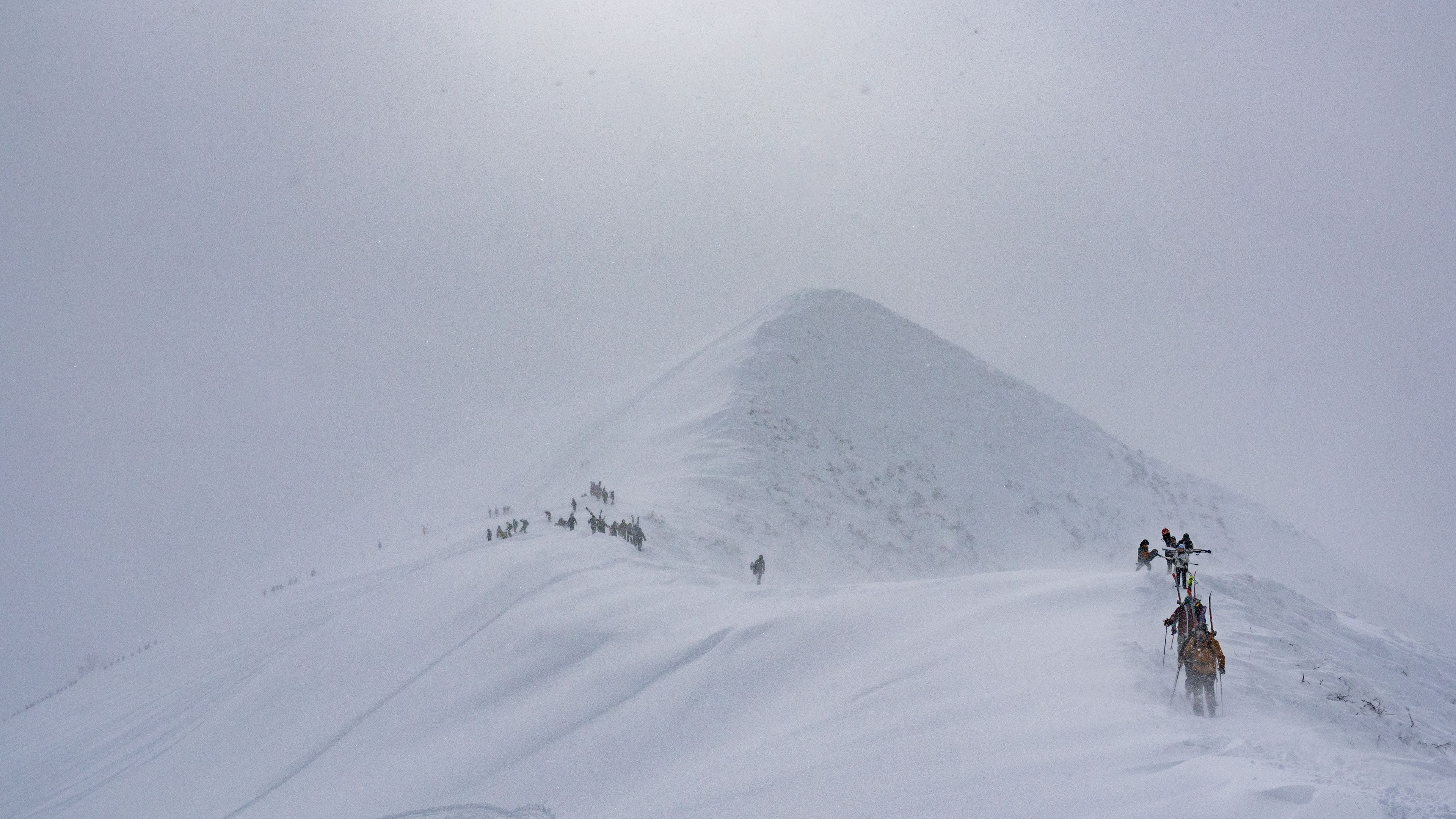
Backcountry refers to terrain beyond the resort boundary — unpatrolled, unmonitored, with no avalanche mitigation. It’s frequently reached without lifts at all, by climbing uphill on skis (ski touring), though it can also be lift-accessed and then hiked.
Sidecountry describes out-of-bounds terrain that’s easy to reach from a lift — you ride up, pass through a gate or boundary, and ski down adjacent to the resort. It sounds gentler than “backcountry,” but this can be slightly misleading. The moment you cross a boundary rope or pass through a gate, ski patrol’s avalanche control no longer applies, the snowpack is unmanaged, and your rescue options change.
Ski touring isn’t a type of terrain — it’s a method of travel. Using bindings that free the heel and grippy “skins” on the base of the skis, you climb uphill under your own power to reach terrain that lifts don’t serve, then convert your setup to ski back down. It’s the most common way to access true backcountry.
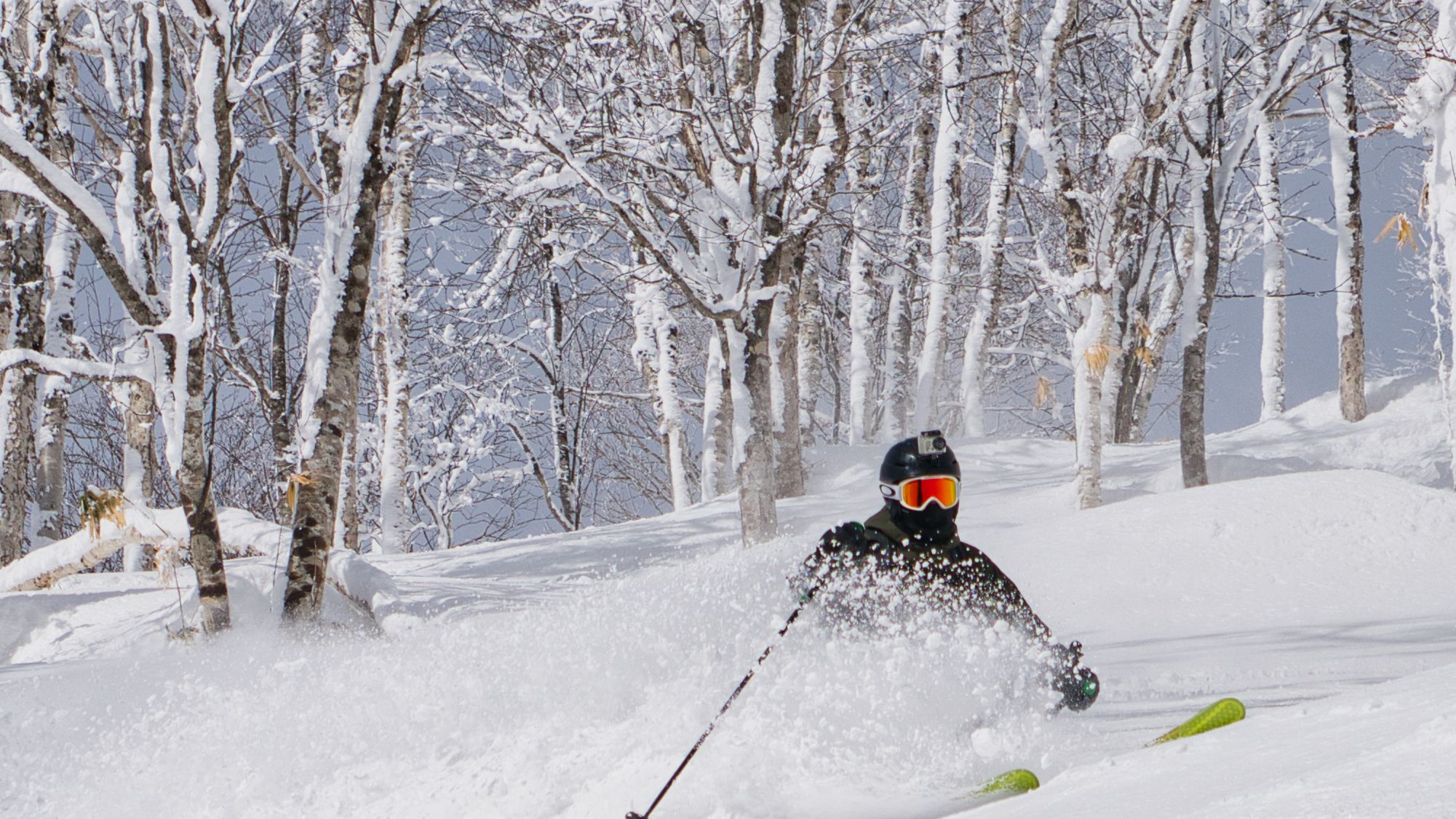
For many people, skiing natural terrain is the most rewarding form of the sport. There’s the obvious draw of untracked snow — the quiet, the space, and the feeling of moving through a landscape rather than down a prepared corridor. Away from the busy pisted runs you’ll often find better scenery and far fewer people.
There’s also a skill dimension. Variable, ungroomed snow asks more of you and, over time, makes you a markedly better skier. Reading terrain, adjusting to changing snow, and committing to a line are satisfying in a way that lapping the same groomer rarely is. None of this requires extreme terrain — plenty of accessible off-piste exists for confident intermediates — but all of it rewards preparation.
On a piste, a lot is handled for you: the snow is groomed, the route is marked, hazards are managed, and patrol is on hand. Off-piste, none of that is guaranteed. You are responsible for your own safety, and the environment is genuinely hazardous in ways that aren’t always obvious from a lift or a map.
This is the most common risk skiers often think about when leaving managed terrain. Most avalanche-prone slopes sit roughly between 30 and 45 degrees — which is, inconveniently, exactly the gradient that holds the best snow. An open access gate or a slope full of tracks does not mean there is no avalanche danger. Resorts and avalanche services make access decisions on the best information available, but mountain conditions are dynamic and can change through a single day as snow, wind, and temperature shift.
Avalanche size isn’t the only thing that matters. Depth of burial and what’s below you — gullies, trees, rocks, cliffs — can be decisive. Even a small slide can be fatal if it carries you into a terrain trap or buries you deeply. Survival in a burial is heavily time-dependent, which is why both equipment and the skill to use it quickly are so important.
Beyond avalanches, off-piste terrain hides tree wells, rocks, fallen timber, creeks, and unmarked drops. Fresh snow disguises obstacles and changes the character of terrain you might think you know. Visibility can collapse in minutes, making navigation difficult and increasing the chance of becoming lost or separated from your group. Different regions carry different risks. A highly experienced North American or European skier could easily be surprised by an ‘onsen hole’ in Japan - where volcanic activity melts a hole in the snowpack in sometimes seemingly random locations..
Avalanche accidents are rarely caused by ignorance alone. More often they involve familiar decision-making traps: sticking to a plan after conditions have changed, following other people’s tracks, feeling committed once you’ve started, or letting group dynamics override caution. Tracks on a slope are not evidence that it’s safe — they only tell you someone got lucky, or got down before conditions shifted. Recognising these traps is as important as reading the snowpack.
Anyone travelling in avalanche terrain should carry three pieces of equipment, every time, with no exceptions:
Owning the equipment is only half of it. In an emergency, rescue almost always depends on the people already on the slope rather than on professional services arriving in time. That means every member of the group must carry all three items and be able to use them quickly and confidently under stress. Regular practice — beacon searches with your partners, assembling your probe and shovel — is important to ensure your safety and the safety of those around you. .
Beyond the essentials, consider: an avalanche airbag pack, which can help keep you nearer the surface during a slide. Common basics to carry include; a backpack of around 20 litres or more with chest and waist straps and a ski-carry system; a helmet; appropriate layers; a small first-aid kit; and a means of communication. If you’re touring, you’ll also need climbing skins and possibly crampons. At the start of each season, check your gear: beacon batteries and firmware, probe deployment, and shovel function.
Off-piste rewards solid fundamentals, because variable snow magnifies any weakness in your technique. As a rule of thumb, be comfortable and in control on the resort’s steepest groomed runs, and on some softer ungroomed snow, before committing to bigger natural terrain.
A sensible way to build the skills needed is to practise on the easier ungroomed edges of marked runs, alternating between groomers and off-piste, or to take an off-piste lesson with a qualified instructor before you commit to more serious terrain.
Checking the avalanche bulletin should be as routine as checking the weather. The two go together: a weather forecast tells you about snowfall, wind speed and direction, temperature changes, and visibility, while the avalanche bulletin gives you specific information about snowpack stability and the day’s hazards. Combined, they paint a far clearer picture of what you’re likely to encounter. Every mountain region has its own local resources — find them and read them before you head out.
Learn to recognise warning signs in the field, too: recent avalanche activity on similar slopes, cracking or collapsing (“whumpfing”) snow, recent heavy snowfall or wind-loading, and rapid warming.
If you’re serious about off-piste, take a recognised avalanche course. An introductory avalanche safety and rescue course (an AST or Level 1, plus companion-rescue training) gives you hands-on practice in terrain assessment, snowpack evaluation, and using your gear under realistic conditions. Education around choosing what terrain to ski and how to react in an emergency is just as important as the equipment you carry..
Off-piste is not a place to travel solo. If something goes wrong — an avalanche, an injury, an equipment failure, or simply getting lost — a capable partner can make the critical difference, because rescue so often depends on whoever is already there. Travel as a group in which everyone carries the right equipment and knows how to use it, move one at a time through suspect slopes, and keep each other in sight. A knowledgeable companion also improves decision-making throughout the day.
One of the safest and most enjoyable ways into unfamiliar terrain is to ski with a qualified local guide or instructor. They bring current knowledge of conditions, route-finding expertise, hazard recognition, and professional rescue skills — and they tend to teach as they go, so you come away a more capable and independent skier. For anyone new to off-piste, or simply new to a particular mountain, this is hard to beat.
Worth knowing: you don’t have to accept whichever instructor happens to be free. On Hikari you can browse instructor and guide profiles and choose someone whose experience, language, and approach suit your level and goals before you book.
Standard travel and ski insurance frequently excludes off-piste and backcountry skiing — and many policies that do cover off-piste only do so if you’re with a qualified guide, or exclude anything beyond resort boundaries entirely. Read the wording carefully before you travel, and make sure your cover explicitly includes off-piste skiing and, where relevant, mountain rescue and helicopter evacuation. In some regions, the cost of search and rescue outside resort boundaries is billed directly to the people involved, which can run to a significant sum.
If you’re moving from the piste toward natural terrain, a sensible progression looks something like this:
To assess your ability you can also read our guide to ski and snowboard levels.
Disclaimer: This guide is advisory only and does not replace current avalanche forecasts, local knowledge or qualified instruction. Always check the local avalanche bulletin before entering any non-patrolled terrain. In the mountains, you are solely responsible for your own decisions.