Gate 4 at Hanazono Ridge is a no-hike, wind-loaded east-facing gate. Guide to terrain, the wind and weather conditions that make it good, and when to avoid it.
Hanazono | Expert | No hike required
Gate Details
Resort: Hanazono
Difficulty: Expert
Aspect: East / Northeast
Hike Required: No
Elevation at Gate: ~1,150m
Typical Vertical: ~500m
Inclination: 25° to 38°
Return Route: Ski to the base of the Hanazono #3 lift
Primary Terrain: Open ridge terrain transitioning to tree runs; wind-loaded slopes
Tree Density: Light on the upper section; moderate on the lower slopes
Known Hazards: East-facing sun exposure; wind slab after strong N/NW wind events
Gate Description
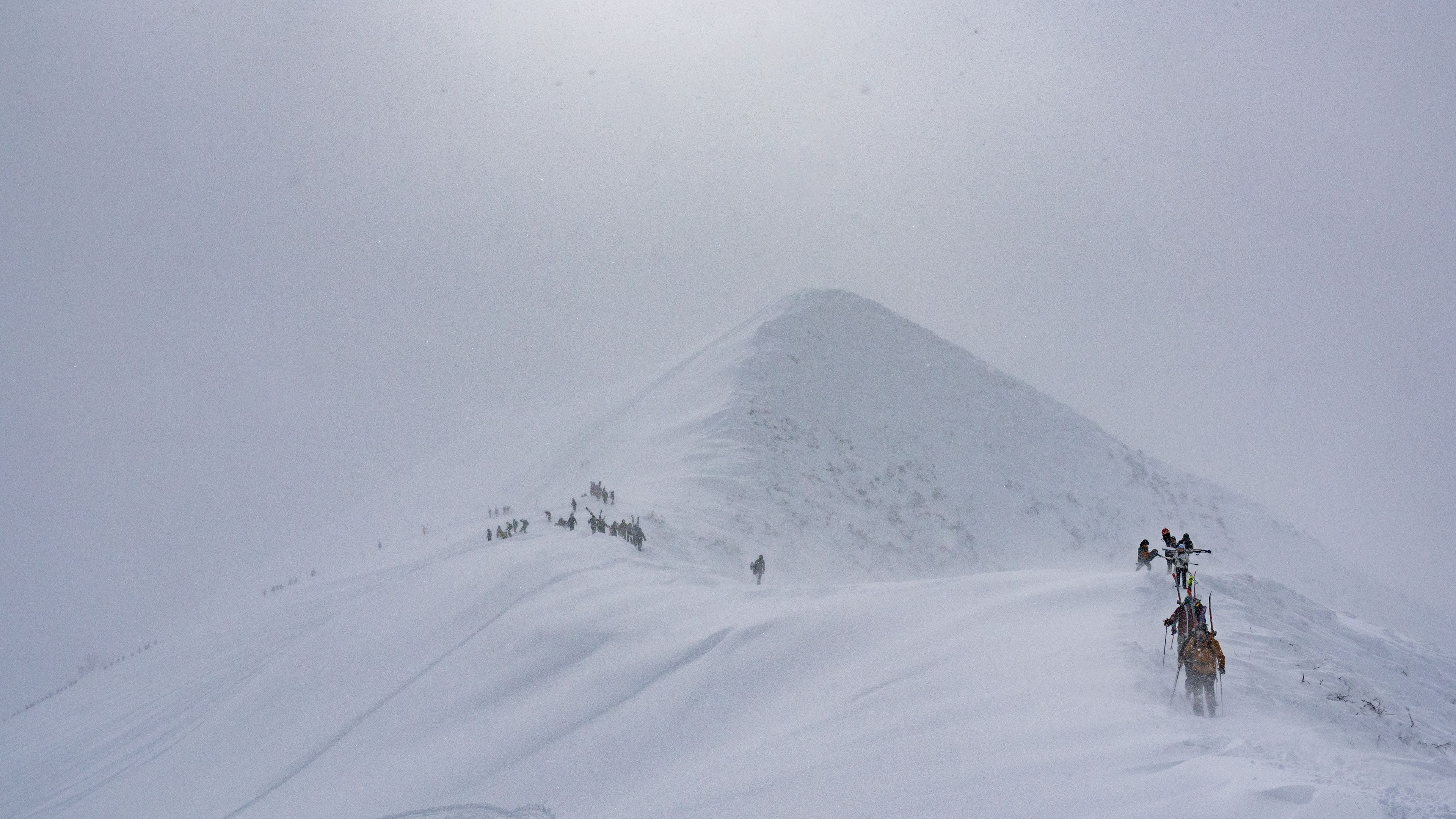
Gate 4 sits below the Hirafu peak on Hanazono's east-facing ridge, accessed from the top of King Lift #4 (the ‘pizza box’ chair) without any hiking. It is an efficient alternative to Gate 3 when the summit hike doesn't appeal, the peak is marginal, or wind has closed the upper mountain.
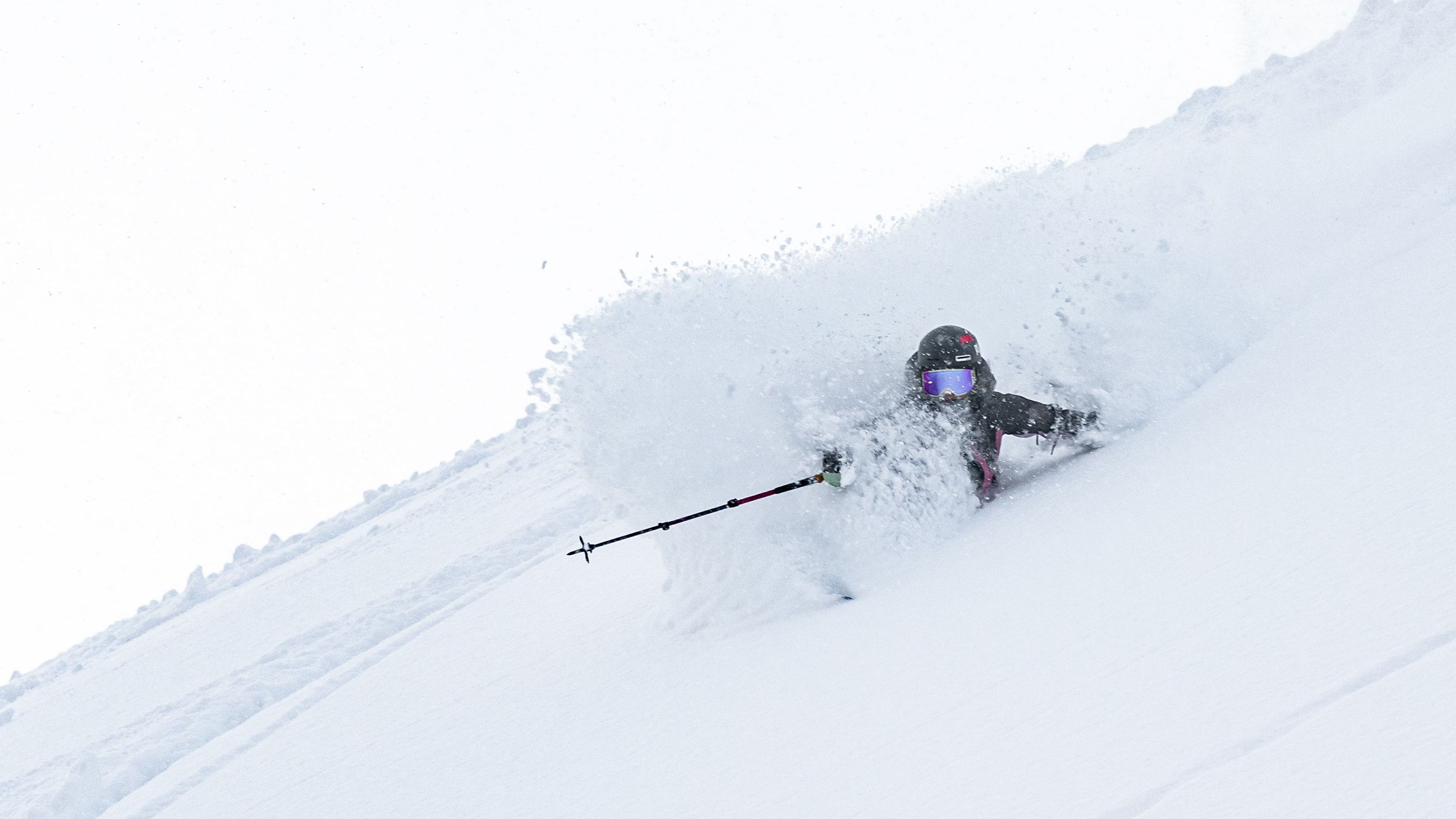
Its east-to-north-east aspect sits in the lee arc of the prevailing north/northwest wind, so it loads with windblown snow — turns here can be as deep as anything on the mountain, without the altitude or the hike. The terrain can lead naturally back to the bottom of Hanazono #3 lift for efficient laps, or into a longer descent with a short hike out to the top of Crystal Garden in Hanazono.
Gate 4 usually opens after the Gate 3 peak gate, so the slope may already be partially tracked. Across such a large area, though, it is normally still possible to find fresh turns. If the peak gate does not open, then Gate 4 and Gate 5 can be fantastic alternatives.
When It Rides Best
An east/north-east gate in the lee of the prevailing wind — it loads deep, and through mid-winter the cold keeps it dry at any hour.
After north/northwest winds, which load this lee aspect deep — often the best depth without a hike
Cold conditions through December to February, when the snow stays dry whatever the hour
When the summit gates are wind-closed: it's lower and more sheltered but still catches the loading, so it's a strong fallback
When to Stay Away
Wind slab is the year-round watch-out; morning sun only matters once it warms up in spring.
After very strong north/northwest winds, when wind slab can build on this lee aspect — check the rating before committing
In March and April, or during a warm spell: the east/north-east aspect catches early sun and crusts and heavies fast — ride it early
Once the snow has gone heavy and slow in warmer weather
Finding Your Way In & Out
Dropping In
Take King Lift #4 to the top. Gate 4 is on skier's left as you exit the lift. Descend into the Hanazono sidecountry.
Getting Back
Ski the fall line and stay skier's right: the terrain drains naturally toward the Hanazono #3 chair. Stay skier's right toward the bottom to exit cleanly under the lift. Alternatively, ski farther left to find less tracked snow and complete a longer descent, then use the road at the bottom to hike back to the top of the Crystal Garden run in Hanazono.
Local Knowledge
A reliable alternative to Gate 3 when you don’t fancy a hike to the peak — similar wind-loaded riding without the walking.
Wind slab forms quickly on this lee aspect after strong N/NW wind — give convex rolls a wide berth and check the bulletin.
On busy powder days it sees far fewer riders than Gate 3 and can hold untracked lines well into the morning if you ski closer to the resort boundary on skier's right.
Disclaimer: This guide is advisory only and does not replace current avalanche forecasts, local knowledge or qualified instruction. Always check the NAIC bulletin before entering any gate. In the mountains, you are solely responsible for your own decisions.