Travel tips
Planning a Japan ski trip? Learn the best times for powder, families, and budget travelers. Complete breakdown of snow conditions, holiday crowds, and booking strategies for Niseko, Hakuba, and beyond.
Japan has earned its reputation as one of the world's premier skiing destinations, thanks to its legendary powder snow, diverse terrain, and unique cultural experiences. But timing your trip correctly can make the difference between scoring deep powder runs and battling crowds or poor conditions. This comprehensive guide breaks down the best times to ski in Japan based on your priorities, whether you're chasing powder, avoiding crowds, or looking for the best value.
Japan's ski season typically runs from early December through early May, with significant variations between regions. The country's position in the path of Siberian weather systems brings consistent snowfall throughout winter, with some areas receiving over 15 meters of snow annually.
The season can be divided into three distinct periods. Early season in December brings variable conditions with increasing snow coverage as the month progresses. Peak season from January through February delivers prime conditions with the deepest snow and most consistent powder. Late season from March through April offers spring skiing with warmer temperatures, longer days, and lighter crowds.
Best Time: Mid-January through mid-February
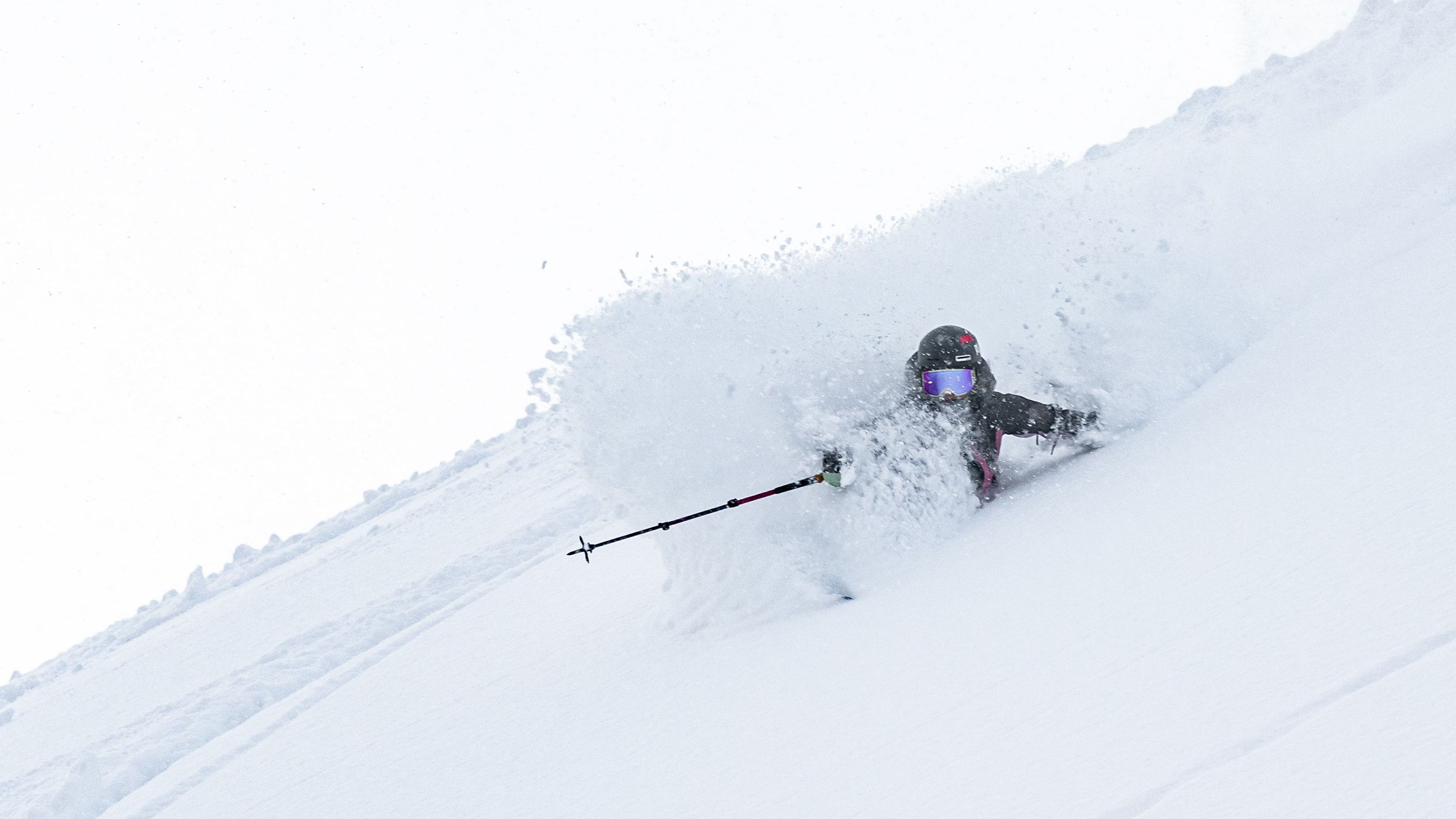
If chasing deep powder is your priority, focus on mid-January through mid-February when snowfall is most frequent and consistent. This period offers the highest probability of powder days, though it comes with certain trade-offs. You can expect frequent fresh snow with multiple powder days per week and sometimes daily snowfall. Cold temperatures ranging from -5°C to -15°C or lower are common, especially in Hokkaido. Snowstorms can reduce visibility, making some days better suited for tree skiing, and you'll encounter peak season pricing on accommodation and lift tickets. Popular resorts like Niseko can see powder tracked out quickly due to competition for fresh tracks.
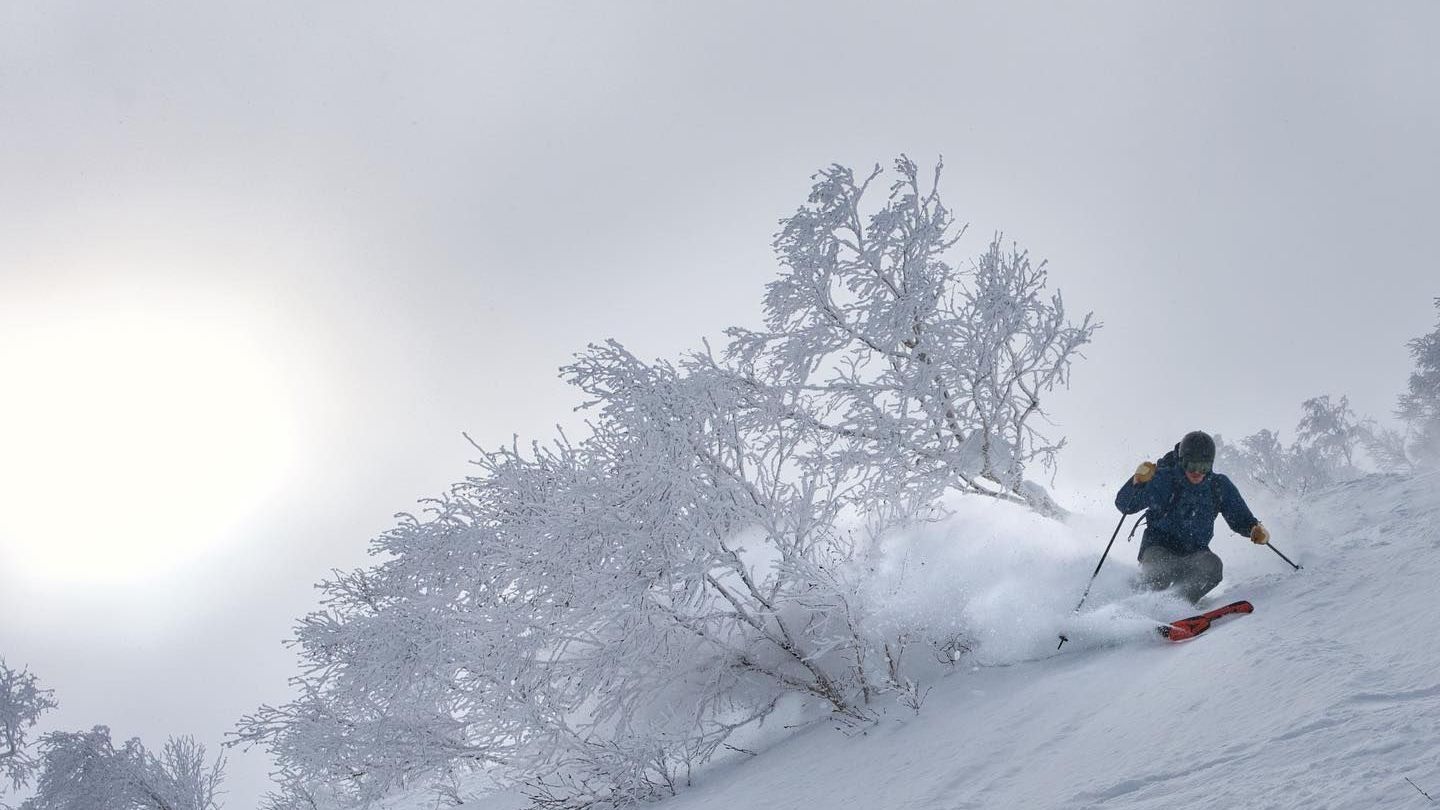
To make the most of this period, consider lesser-known resorts in Hokkaido or Tohoku where you'll find fewer crowds. Be prepared with quality cold-weather gear and book accommodation well in advance. If you're interested in exploring beyond the resort boundaries, consider hiring a guide for backcountry or tree skiing access.
Best Time: Early March
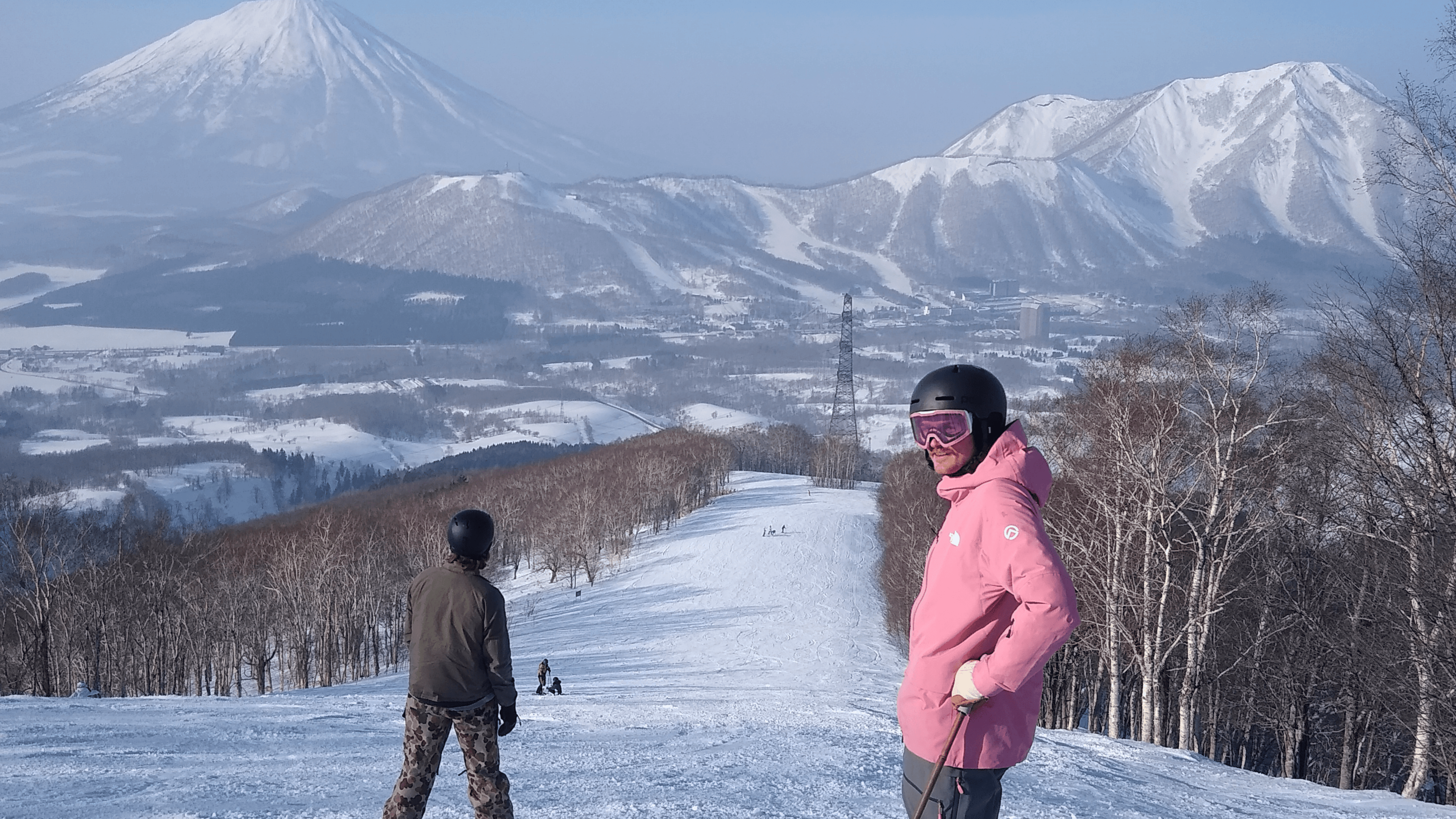
Early March offers the sweet spot for intermediate skiers and families, balancing good conditions with more comfortable weather and generally better visibility. Warmer temperatures ranging from -2°C to 5°C make for comfortable all-day skiing, while increased sunny days and clearer conditions allow you to fully enjoy the mountain views. The accumulated snowfall throughout winter ensures excellent base depth, and resorts maintain superb grooming as conditions stabilize. You'll encounter lighter crowds as the peak season has passed, meaning shorter lift lines and less crowded slopes.
Best Time: Late March through early April, or early December
Shoulder season offers the best value and most beginner-friendly conditions, though you'll need to be flexible and choose your resort carefully.
Late March/Early April provides significantly lower prices, with accommodation costs often 30-50% cheaper than peak season. The warmer weather creates more forgiving conditions for beginners who are learning, while nearly empty slopes at many resorts and longer daylight hours allow for extended afternoon skiing in pleasant conditions.
Early December presents another budget-friendly window with pre-peak season rates on accommodation and packages. You'll encounter lighter crowds before the Christmas holidays arrive, and resorts are freshly prepared with enthusiastic staff ready for the new season.
Keep in mind that you should choose resorts with higher base elevations for better late-season coverage, as some terrain may be closed or have limited coverage during early or late season periods. Always check resort websites for current snow conditions before booking, and be prepared to adjust your plans if conditions are marginal.
Plan your trip around these specific dates for the 2025-26 ski season:
Christmas Week (December 20-26, 2025) - Expect moderate to high crowds as international visitors arrive for the holidays, though not yet at peak levels
New Year (December 28, 2025 - January 4, 2026) - The busiest period of the season with very high crowds, particularly from Australian and other international holiday travelers
Chinese New Year (January 29 - February 12, 2026) - Very high crowds as visitors from China, Hong Kong, Singapore, and other Asian markets travel during this major holiday period
Japanese School Holidays (Late February 2026) - Moderate crowds as domestic Japanese families visit during school break periods (exact dates to be confirmed)
Golden Week (April 29 - May 5, 2026) - Moderate crowds at the limited resorts still operating this late in the season, primarily attracting domestic Japanese visitors
Choosing the best time to ski in Japan ultimately depends on your priorities and skiing style. For maximum powder potential, target mid-January through mid-February in Hokkaido. The best overall conditions across any region occur from late January through late February. If you're seeking optimal value and weather, early March across all regions delivers an excellent balance. Budget-friendly options can be found in late March through early April or early December. The best times for avoiding crowds are mid-January between the major holidays or throughout March. For family-friendly conditions with warmer weather and good visibility, early March is your ideal window.
Remember that Japan's ski season offers excellent conditions throughout a long season. Even if you can't travel during the absolute peak periods, you're likely to find impressive snow quality, unique cultural experiences, and world-class skiing whenever you visit. The key is setting appropriate expectations based on your travel dates and choosing the right region for your timing.
With proper planning and an understanding of regional and seasonal variations, your Japanese ski adventure can deliver the powder, culture, and memories that make this destination legendary among skiers worldwide.