Gate 7 at Annupuri is a low, sheltered gate — the go-to in bad weather, but very sun-exposed. Guide to terrain, the conditions that suit it, and when to skip it.
Annupuri | Advanced | No hike required
Gate Details
Resort: Annupuri
Difficulty: Advanced
Aspect: South / West
Hike Required: No
Elevation at Gate: ~800m
Typical Vertical: 400m
Inclination: 15° to 28°
Return Route: Exit toward the Annupuri Base
Primary Terrain: Open mellow sidecountry; light tree coverage lower down
Tree Density: Light
Known Hazards: Heavy sun exposure on the low-elevation S/W aspect; flat exit sections and traverses can catch snowboarders
Gate Description
Gate 7 — the E-Sawa Gate — is on skier's left of Annupuri, near the bottom of the Jumbo Pair Lift #3. It is an inbound gate requiring no hiking, with a modest pitch, open terrain and an uncomplicated exit. Low and sheltered from the wind, it's a sound choice when the upper mountain is shut.
The aspect is the thing to plan around. A gully facing south to west, it is among the most sun-exposed, low-elevation terrain on the mountain, but the southerly side can load with snow blown by the prevailing wind from less sheltered slopes. Through the cold core of winter that sun exposure barely matters — the temperature keeps it dry, and it rides well through the day. From spring (March–April), and during any unusual warm spell, it is one of the first gates to go heavy and crusty, so it is often worth avoiding completely.
The consequence of a mistake is lower than at the summit gates, but avalanche safety equipment is still recommended, because this is uncontrolled terrain. Apart from a slightly technical section through the upper section of trees, Gate 7 is one of the easiest gates to ski on the mountain. This makes Gate 7, alongside Gate 5 and Gate 9, the best gates for an introduction to gate skiing.
When It Rides Best
A low, sheltered gate that rides well right through the cold of winter; only in spring does its sun-exposed aspect make it a poor option.
Cold conditions through December to February — the temperature keeps it dry despite the aspect, so it rides well through the day
Early in the day, while other skiers race to the peak.
Storm days — low and sheltered from the wind, with a simple exit, when the upper mountain is shut
After north/northwest wind, when the southerly side loads in the lee
When to Stay Away
Sun is the limiting factor — but in Niseko's cold mid-winter that mostly means spring and unusual warm spells.
In March and April, or during a warm spell: the south/west aspect is among the most sun-exposed on the mountain and goes heavy and crusty fast, especially at this low elevation — if it is crusty, skip it and wait for it to soften fully
When the snow has already gone heavy in warm weather.
Finding Your Way In & Out
Dropping In
Take the Annupuri Jumbo Pair Lift #3. Gate 7 is at the bottom of the lift line.
Getting Back
Follow the terrain toward the Annupuri base area. Flat sections in the lower exit need poling or skating, particularly for snowboarders — maintain speed.
Local Knowledge
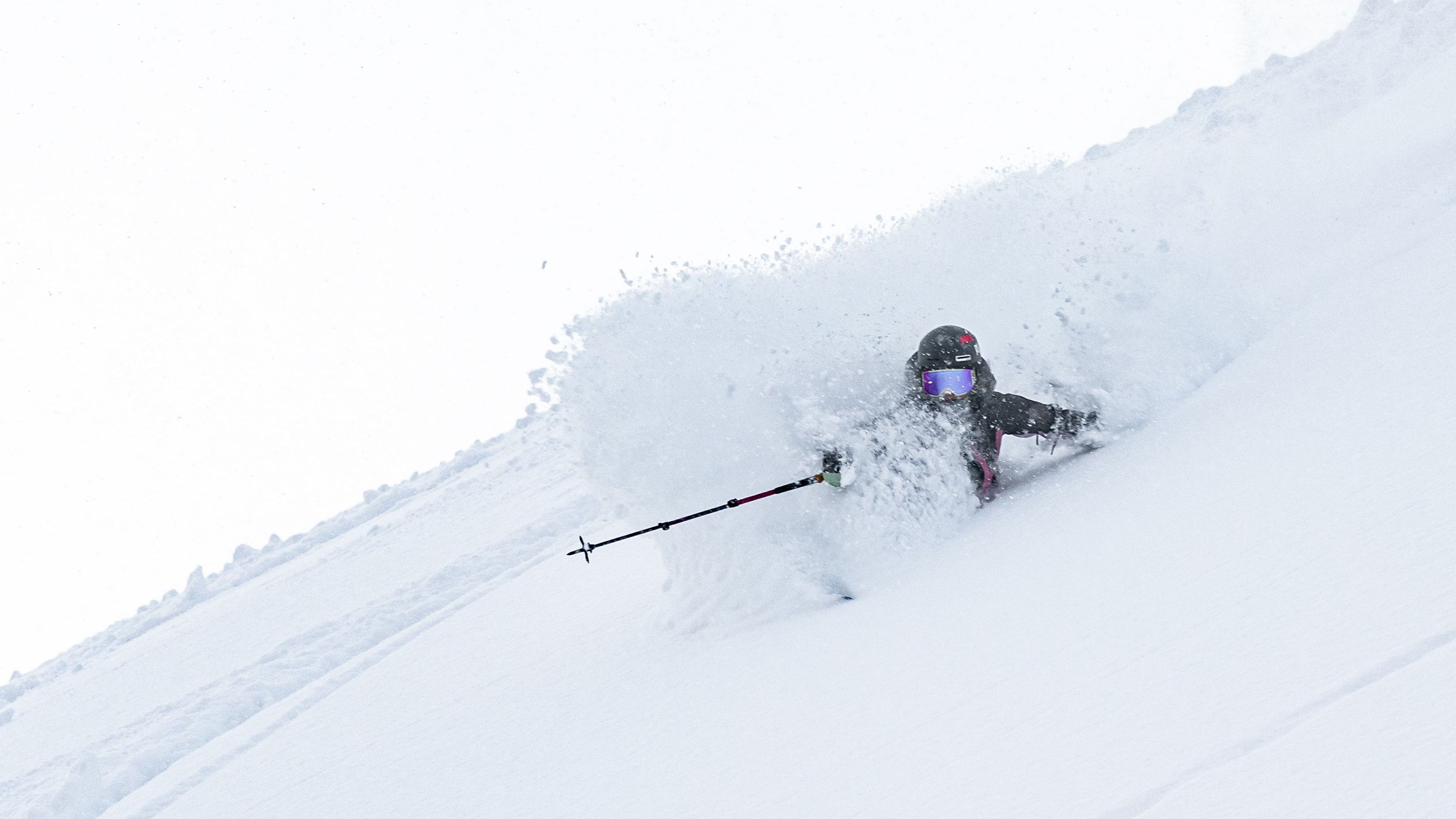
On a powder morning when everyone is queueing for the peak, Gate 7 can be surprisingly untracked — and through mid-winter it stays good all day.
A good low-elevation fallback on storm and high-wind days when the upper mountain is closed.
Disclaimer: This guide is advisory only and does not replace current avalanche forecasts, local knowledge or qualified instruction. Always check the NAIC bulletin before entering any gate. In the mountains, you are solely responsible for your own decisions.