Travel tips
The Skier Responsibility Code exists for one reason – to keep all of us safe. These are time-tested rules that have prevented countless accidents and kept the skiing experience enjoyable for everyone from first-timers to Olympic racers.
Every experienced skier has witnessed close calls, collisions, or worse on the slopes. The sobering truth is that most mountain accidents happen because someone ignored these basic safety principles. When everyone follows the code, skiing becomes dramatically safer and way more fun.
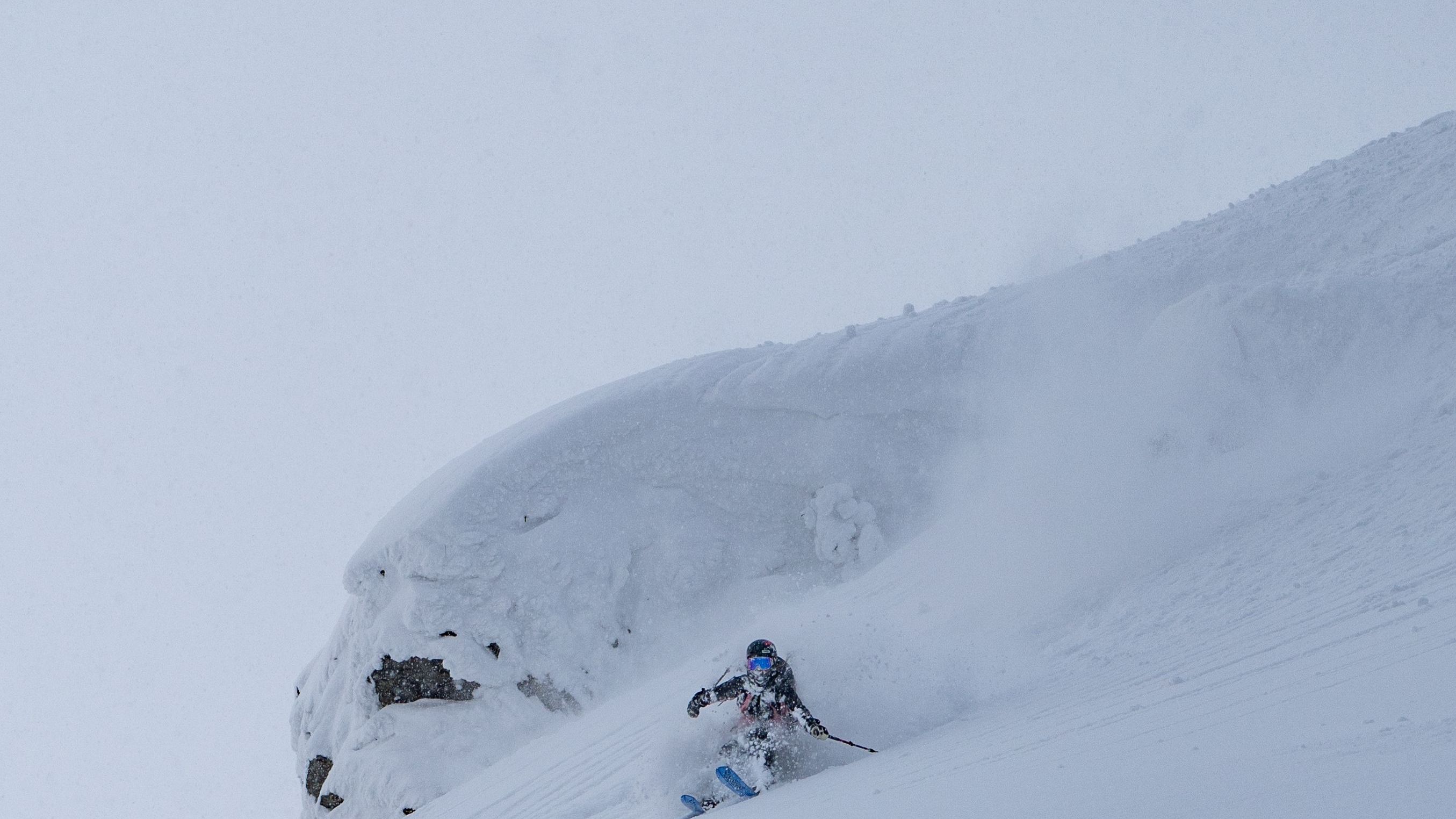
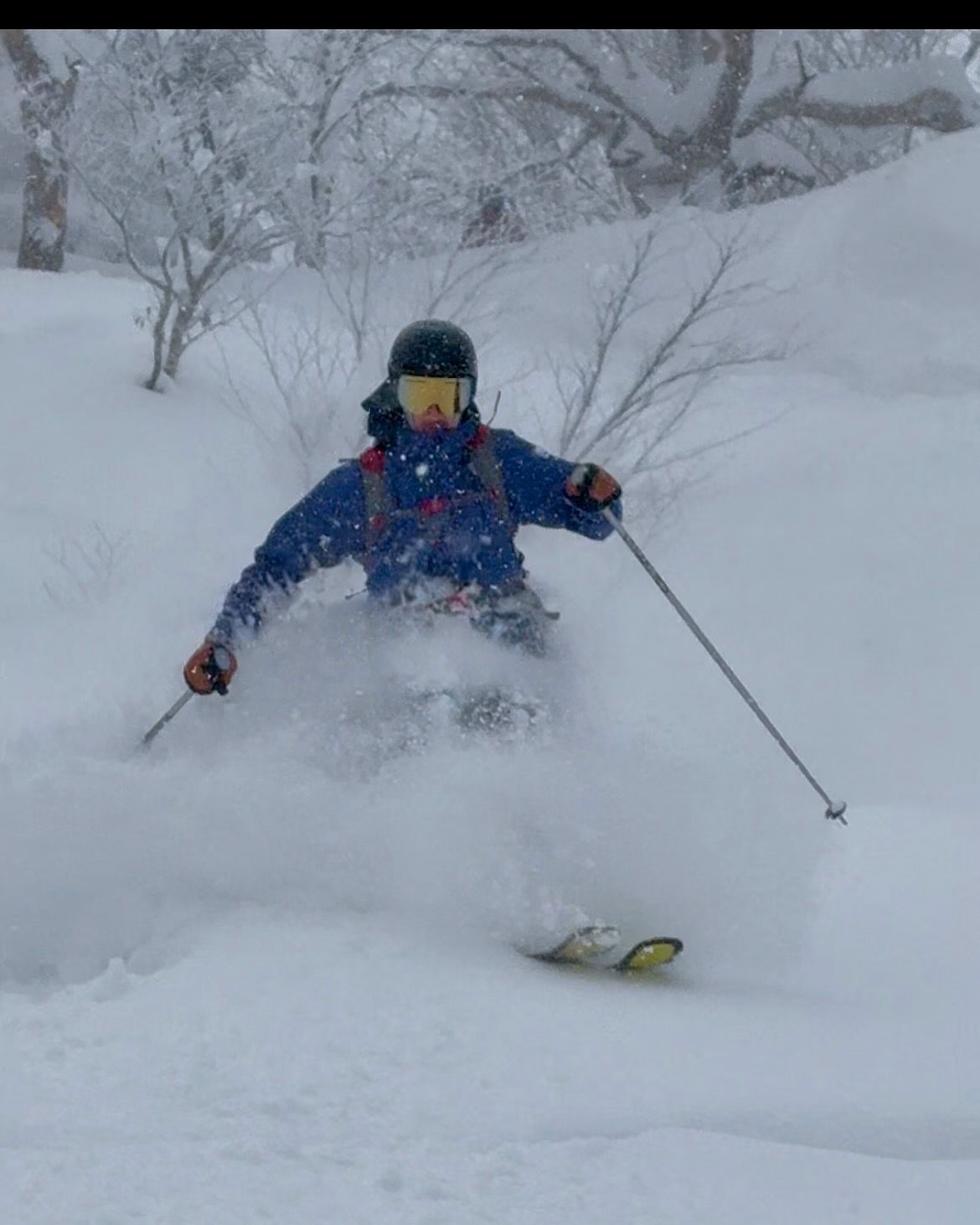
You must be able to stop or avoid people and objects at all times. This sounds obvious, but watch any busy slope for 10 minutes and you'll see countless skiers pushing beyond their control limits.
Real control means choosing terrain that matches your current ability. If you're struggling to link turns confidently, that double-black diamond can wait. True experts make controlled skiing look effortless because they stay well within their limits.
If you're not sure how to build that control, booking a ski instructor can make a big difference — read our article about the benefits of having an instructor.
The person below you always has the right of way. They can't see you coming, so avoiding them is entirely your responsibility. This rule eliminates the guesswork about who should move where during potential conflicts.
Think of it like highway driving – you don't expect the car ahead to dodge out of your way. Plan your passes with plenty of space and clear sight lines. When in doubt, wait for a better opportunity.
Never stop where you obstruct traffic or can't be seen from above. The most dangerous spots are just over hill crests, around blind corners, or in narrow trail sections where other skiers have limited options to avoid you.
Always move completely to the side of the run before taking breaks. Choose spots where uphill skiers can easily see you and have room to pass safely.
Check uphill and yield to others before starting downhill or merging onto trails. Other skiers don't expect stationary people to suddenly start moving, so make sure the coast is clear before pushing off.
This applies every single time you start from a stopped position – beginning your run, leaving the lodge deck, or entering a trail from a side path.
You're responsible for your equipment staying attached and under control. Runaway skis and snowboards can cause severe injuries to innocent bystanders below.
Never completely remove your snowboard while on the slope – keep at least one binding attached. Use ski brakes or leashes as required by the mountain. Secure your gear properly when taking breaks, especially on steeper terrain.
Closed slopes and marked hazards are off-limits for legitimate safety reasons – avalanche danger, insufficient snow coverage, hidden obstacles, or maintenance work. These aren't suggestions; they're mandatory safety measures.
Violating closure boundaries puts yourself, other skiers, and rescue personnel at unnecessary risk. Most insurance policies won't cover accidents in closed areas, leaving you financially responsible for potentially enormous medical and rescue costs.
Never sit or stop in the middle of trails. This creates dangerous obstacles for other riders and puts you at serious risk of collision from behind. Always move completely to the side where you're visible and out of the main traffic flow.
Think of ski runs like highways with fast-moving traffic. You wouldn't park your car in the middle of the interstate, so don't stop your skis in the middle of busy runs.
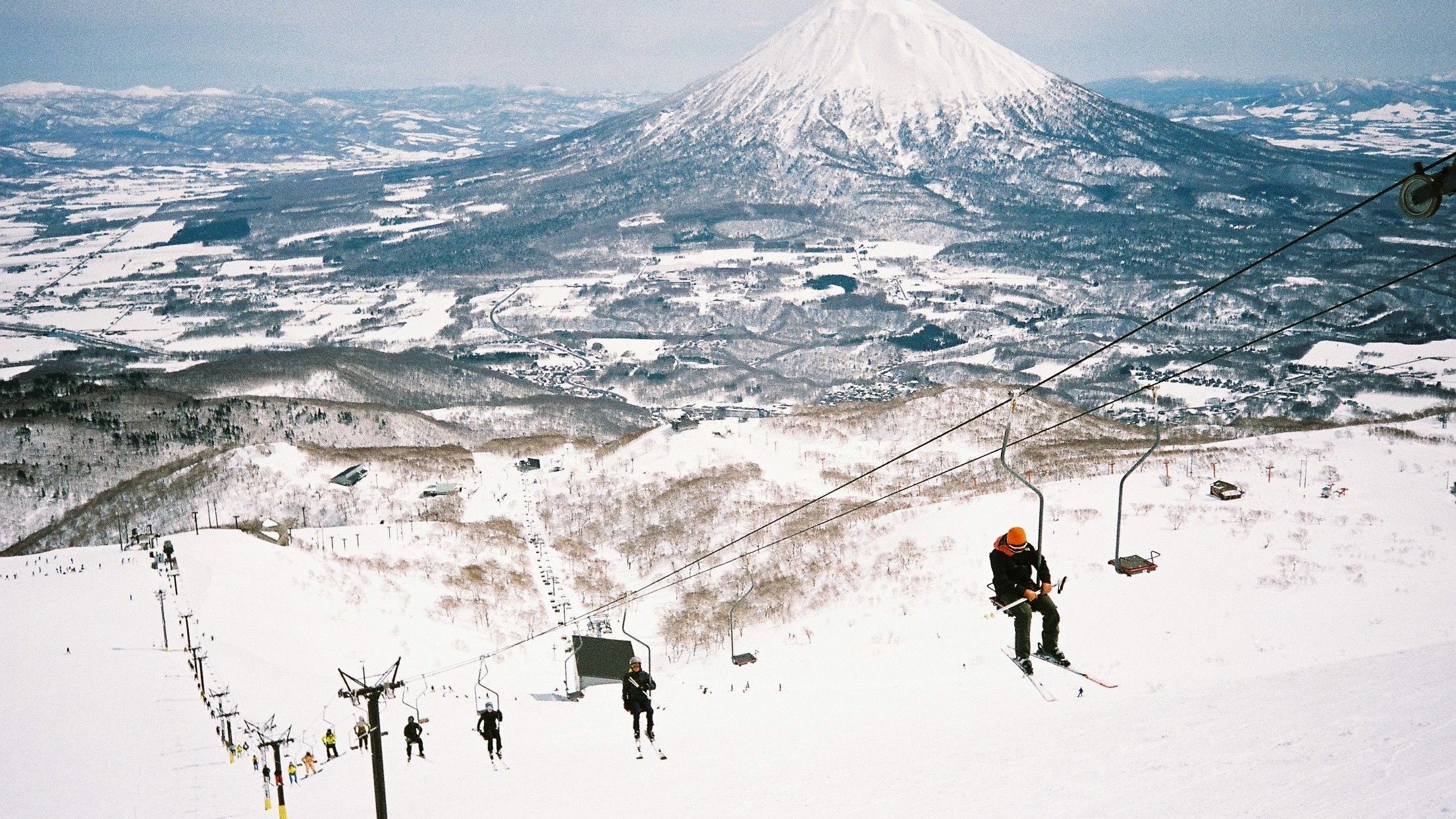
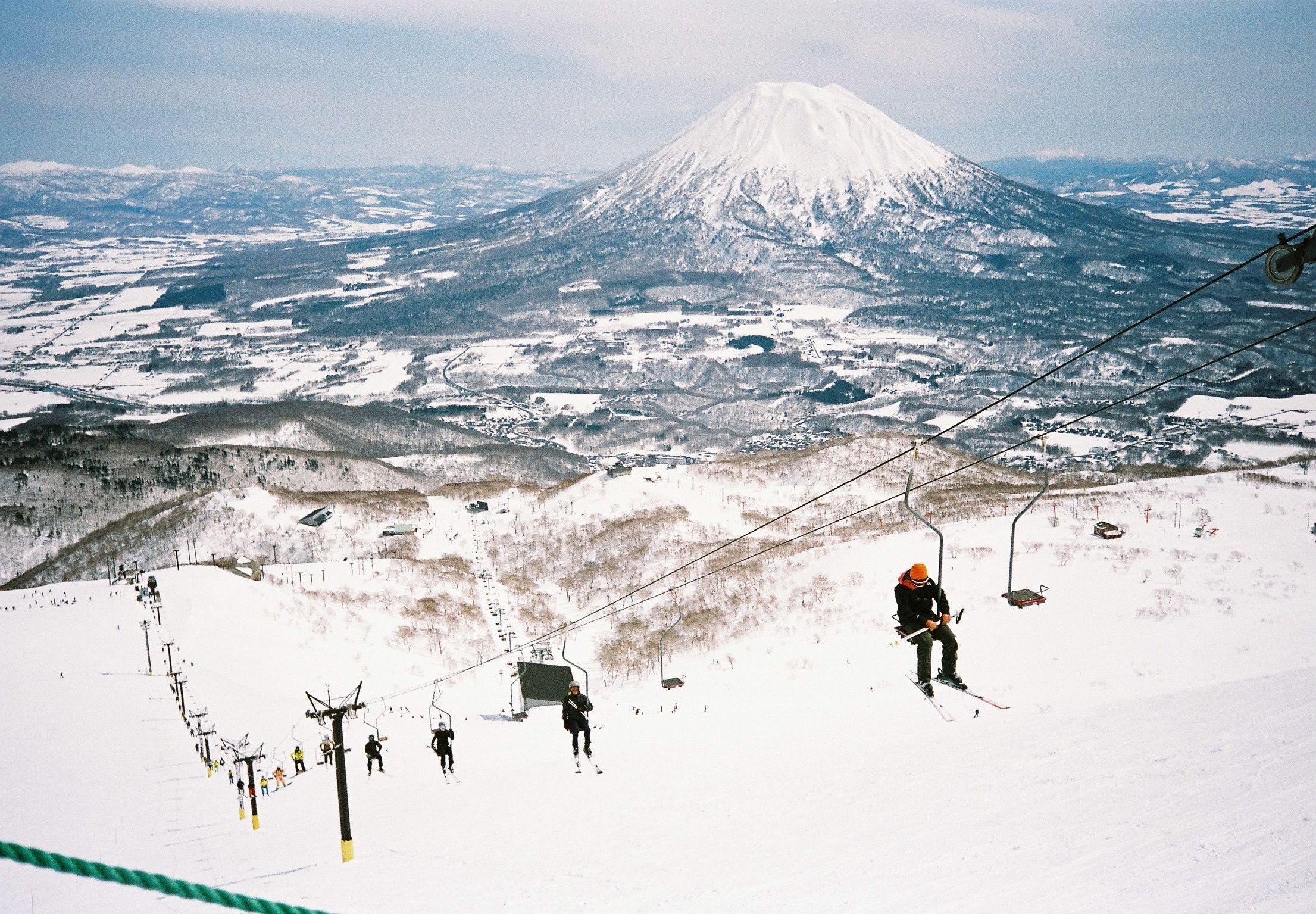
Know how to load, ride, and unload chairlifts safely. Don't hesitate to ask lift operators for help – they can slow down or stop chairs if you need assistance. It's much better to request help than risk a fall.
Critical warning: never board lifts that access terrain beyond your ability level. Not all chairlifts allow you to ride back down, which means you could find yourself stranded on slopes you can't safely navigate.
Never ski or ride while impaired by alcohol or drugs. Your reflexes, judgment, and balance are all compromised when impaired, dramatically increasing accident risk for yourself and everyone around you.
Save the celebration drinks for après-ski at the base lodge. The mountains are unforgiving enough when you're at full capacity.
If you're involved in any collision, exchange contact information with all parties and report to ski patrol immediately.
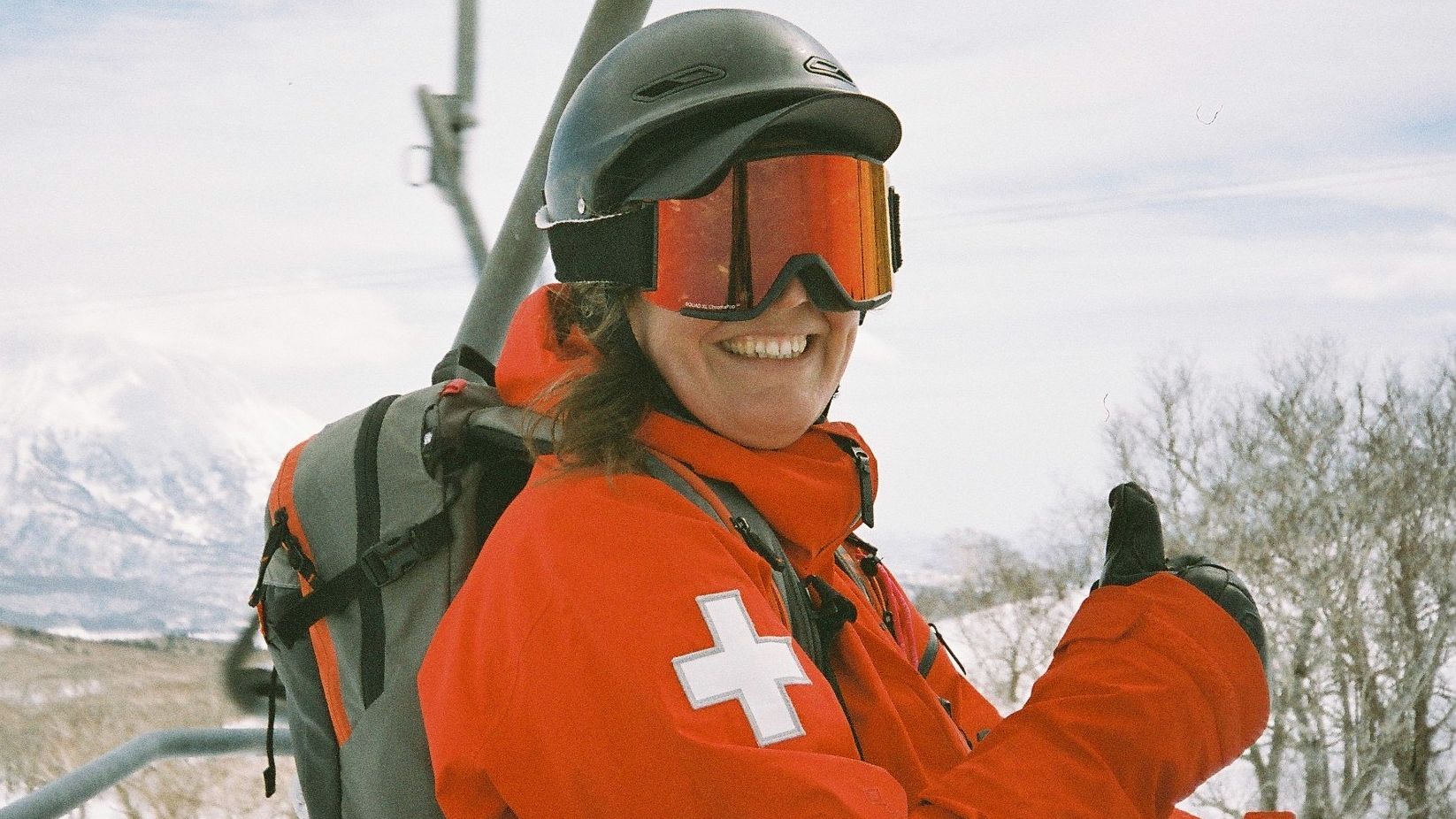
Always report incidents involving injury, equipment damage, or safety concerns to ski patrol. They're trained professionals who can assess situations properly and provide necessary assistance.
Following the Skier Responsibility Code helps everyone have more fun on the slopes. When we all look out for each other, the mountains become a place where families can relax, beginners can learn confidently, and experienced skiers can enjoy their runs to the fullest.
These rules aren't about limiting your adventure – they're about making sure everyone gets to experience the pure joy that draws us all back to the mountains season after season. Want to take your skiing to the next level while building solid safety habits? Consider booking a lesson with a certified instructor. They'll help you ski with more confidence, tackle new terrain safely, and have way more fun doing it. See our article on why book a lesson
See you out there, and remember – fresh powder and blue skies are always better when shared safely with fellow mountain lovers!