Gate 11 — Mizuno no Sawa: Niseko's Avalanche-Controlled Zone
Gate 11 at Niseko Village is the only avalanche-controlled zone on the mountain. Guide to terrain, opening hours, the conditions that make it good, and when to avoid it.
Niseko Village | Expert | Short uphill walk | Opens 09:00–14:00
Gate Details
Resort: Niseko Village (Higashiyama)
Difficulty: Expert
Aspect: South / Southeast
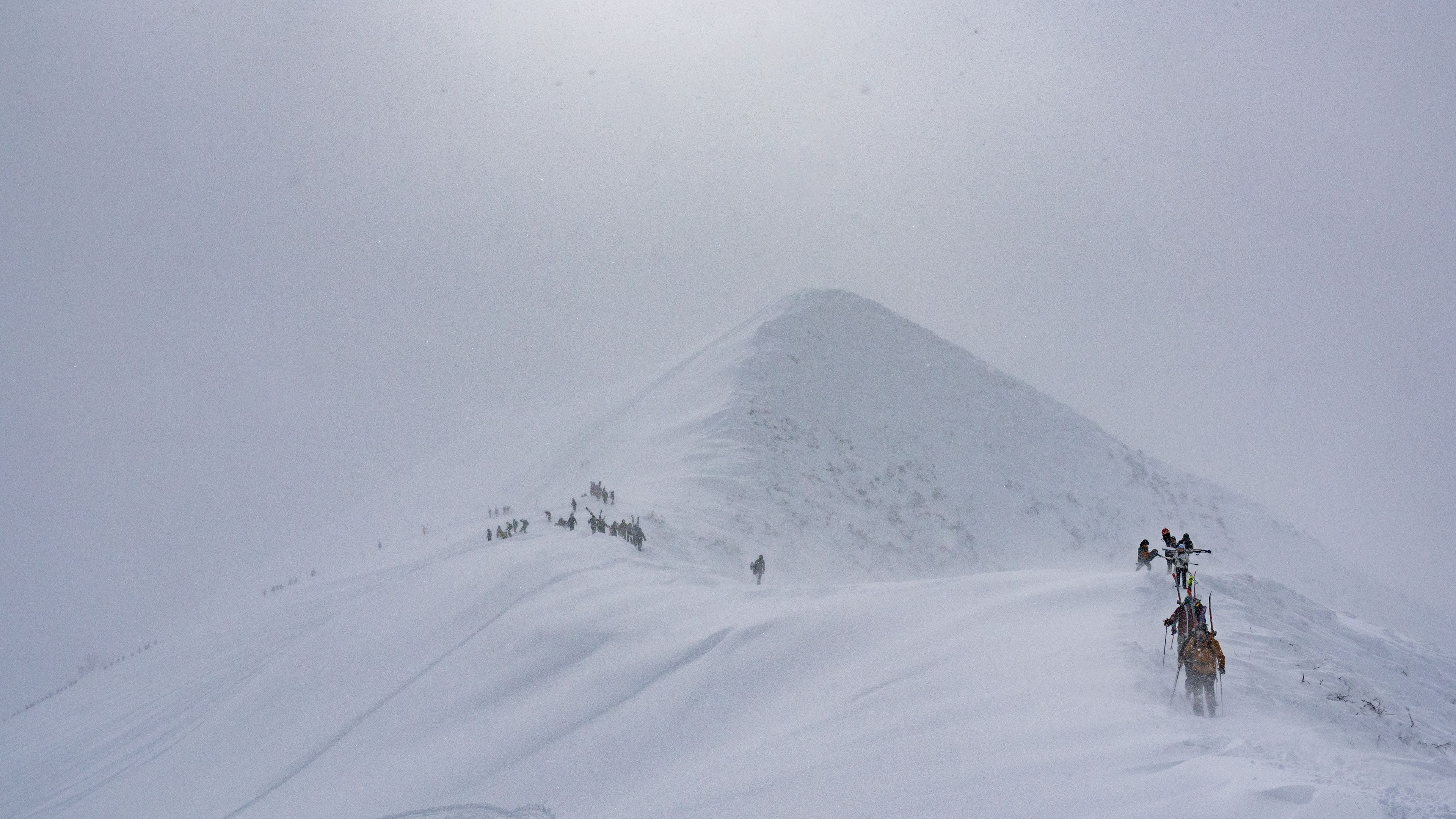
Hike Required: Yes — short uphill walk from the bottom of the Wonderland Chair
Opening Hours: 09:00–14:00 daily when open — no advance notice
Elevation at Gate: ~930m
Typical Vertical: ~650m (almost full resort vertical)
Inclination: 25° to 40° (steeper skier's right)
Return Route: Descends beneath the Gondola line back to the Niseko Village base
Primary Terrain: Open, flowing lines skier's left into gladed runs; steeper, wind-loaded slopes skier's right
Tree Density: Light to moderate
Known Hazards: Cornices skier's right; glide cracks; gate open 09:00–14:00 only; no advance notice
Gate Description
Gate 11 — Mizuno no Sawa — is unlike any other gate on the mountain. It is the only zone where ski patrol carry out daily avalanche mitigation (ski cutting and explosive bombing) before opening. That makes it more consistently accessible on high-hazard days than the peak gates, but it follows a specific pattern: it opens only once patrol have finished their work, and there is never advance notice.
It faces south to south-east — the prime sheltered slope aspect away from the prevailing north/northwest wind, so it loads deep, but also one of the most sun-exposed aspects on the mountain. Through the cold of December to February the temperature keeps it dry and deep; only in spring or a warm spell does the sun bake the south/south-east face. Lines skier's left are open and flowing; lines skier's right are steeper, with the deepest wind-loaded snow. The full run drops almost the entire vertical of Niseko Village — around 500m. Watch for cornices on skier's right and glide cracks in the open terrain.
When It Rides Best
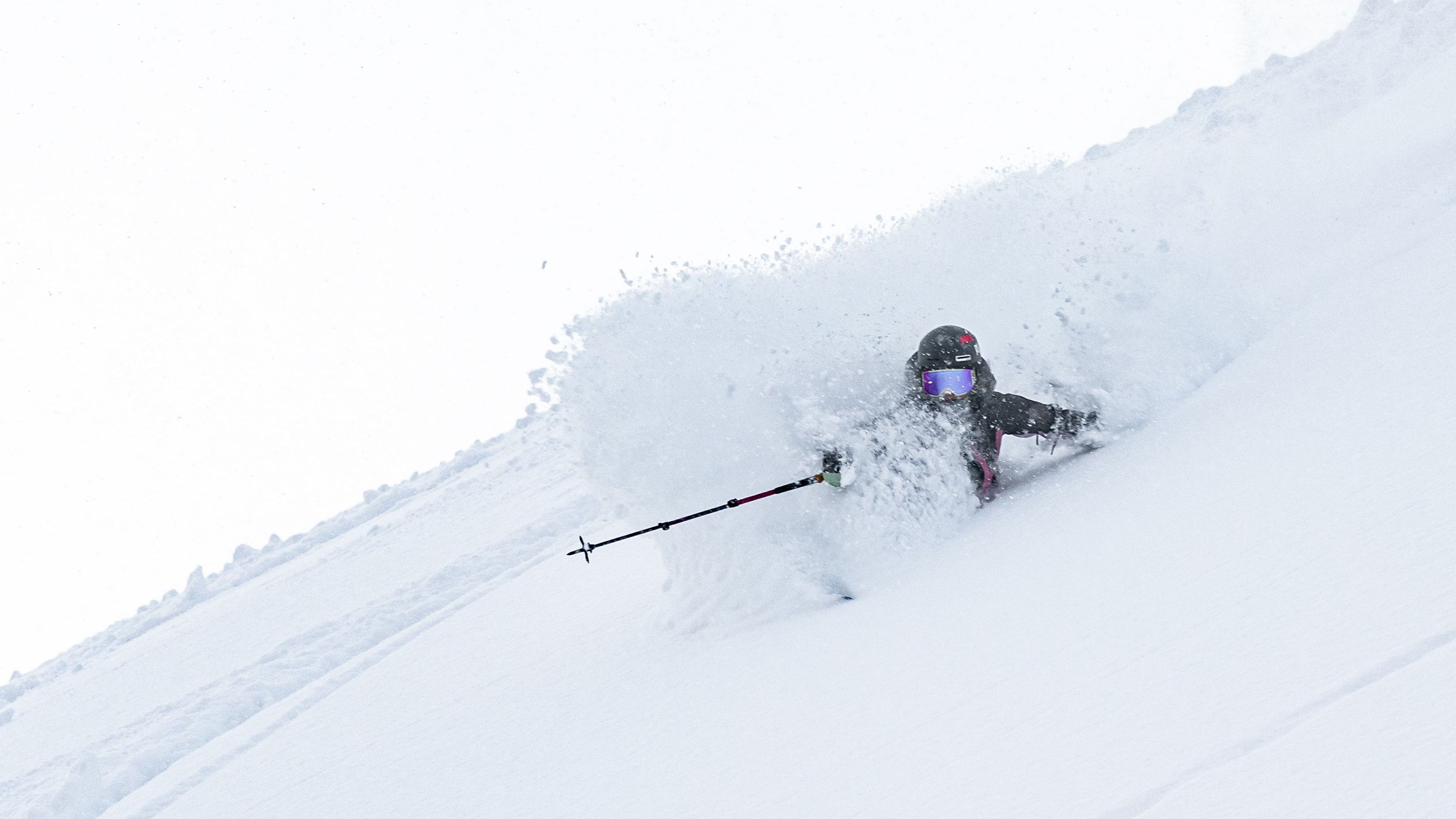
A south/south-east gate in the prime lee of the wind — it loads deep. Through the cold of mid-winter it's superb at any hour; sun is a spring concern.
Cold conditions, when the south/south-east aspect is loaded deep — through December to February that is most days
Right at the 09:00 opening, for first tracks before it skis out
After a north/northwest storm with cold temperatures — patrol control also makes it one of the more rideable options on higher-hazard days
When to Stay Away
The 14:00 close and extended-hazard closures are the constants; sun on the south/south-east face is a spring and warm-spell concern.
In March and April, or during a warm spell: the south/south-east aspect is among the most sun-exposed on the mountain and crusts and heavies through the day
During extended high-hazard or bad-weather closures, when the gate simply won't open — always have a backup plan
After strong winds, when cornices build on skier's right
Finding Your Way In & Out
Dropping In
Take the Niseko Village Gondola and ski to the base of the Wonderland Chair. On skier's left you will see a short walk up to an out-of-use gondola station. The gate is just out of view behind it. Arrive before 14:00; the gate closes then regardless of conditions.
Getting Back
The terrain drains back beneath the Gondola line to the Niseko Village base. Follow the natural drainage. The full vertical makes this one of the most satisfying single runs on the mountain.
Local Knowledge
A local favourite for good reason — get to Niseko Village early and join the patrol-gate queue; the first run in is often the best of the trip (for fresh tracks, and in spring before the sun).
The steep lines skier's right hold the deepest wind-loaded snow — but need confidence in variable snow, and wind slab can exist even after patrol mitigation on higher-hazard days.
The run beneath the Gondola line back to base is a brilliant, long, sustained descent.
If you can only ride one gate on a cold powder day, this is the benchmark experience — in spring, skip it on a warm bluebird, when the south-east aspect bakes.
Disclaimer: This guide is advisory only and does not replace current avalanche forecasts, local knowledge or qualified instruction. Always check the NAIC bulletin before entering any gate. In the mountains, you are solely responsible for your own decisions.